Finding the right fuel before a workout can feel like a delicate balancing act. You want enough energy to power through your session, but not so much that you feel sluggish, bloated, or uncomfortable. The goal isn’t to eat a full meal; it’s about strategic, light fueling that supports your body’s immediate needs without weighing you down.
This approach centers on two key nutrients: carbohydrates for readily available energy, and a modest amount of protein for muscle support. Timing and portion size are everything. A well-chosen pre-workout snack can be the difference between a powerful, focused session and one where you’re counting down the minutes until it’s over.
Why the Right Pre-Workout Fuel Matters
Think of your body like a hybrid car. It has a battery for quick-start energy and a fuel tank for longer journeys. Your muscles store carbohydrates as glycogen, which is that quick-start battery. During exercise, especially intense efforts, your body taps into these glycogen stores first.
When you start a workout with low glycogen, you’re essentially starting with a half-charged battery. You might feel fatigued sooner, your intensity may drop, and your mental focus can waver. A small, easily digestible snack beforehand helps top off those glycogen stores, ensuring you have a ready source of energy from the first rep or the first mile.
Including a small amount of protein alongside those carbs isn’t about building muscle in the moment. It helps moderate the digestion of the carbohydrates, providing a more steady release of energy, and it initiates the process of muscle repair and recovery before you even finish your sweat session.
The perfect pre-workout snack is one you barely notice—it provides energy without making its presence known in your stomach.
The Golden Rules: Timing and Composition
Getting your pre-workout nutrition right hinges on two variables: what you eat and when you eat it. These factors work together to determine how you’ll feel.
Timing Your Intake
The closer you eat to your workout, the smaller and simpler the snack should be. Your body needs time to digest; if you eat too much too close to exercise, blood flow is diverted to your working muscles instead of your digestive system, which can lead to cramping or discomfort.
- 60–90 minutes before: This window allows for a slightly more substantial snack. Think a small meal with complex carbs, protein, and a little fat, like oatmeal with a spoonful of nut butter.
- 30–60 minutes before: Opt for a light, primarily carbohydrate-based snack with minimal fat and fiber, which slow digestion. A banana or a piece of toast with jam works well here.
- 15–30 minutes before: Stick to very easily digestible, almost liquid options. A small serving of fruit or a few sips of a sports drink can provide a final top-up of energy.
Choosing the Right Foods
The ideal pre-workout foods are familiar, gentle on your stomach, and rich in accessible carbohydrates. The focus is on foods that are low in fat and fiber right before a workout, as these nutrients digest more slowly and can cause gastrointestinal distress for some people during exercise.
Fats are an important part of a healthy diet, but saving higher-fat foods for meals not immediately preceding a workout can help you avoid that heavy, sluggish feeling.
Practical Food Ideas for Lasting Energy
Here are some reliable options that balance energy provision with easy digestion. Portion size is personal—start small and see how you feel.
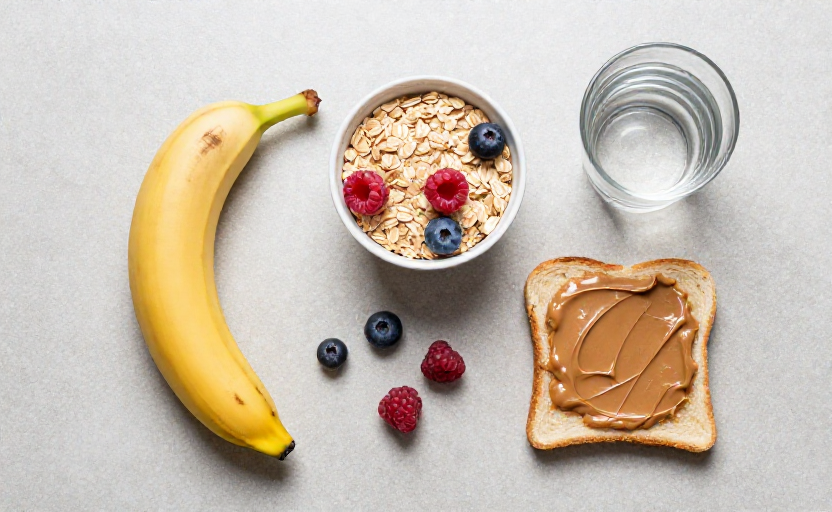
A banana. Nature’s perfect pre-workout package. It’s portable, packed with digestible carbs and potassium, and sits well with most people.
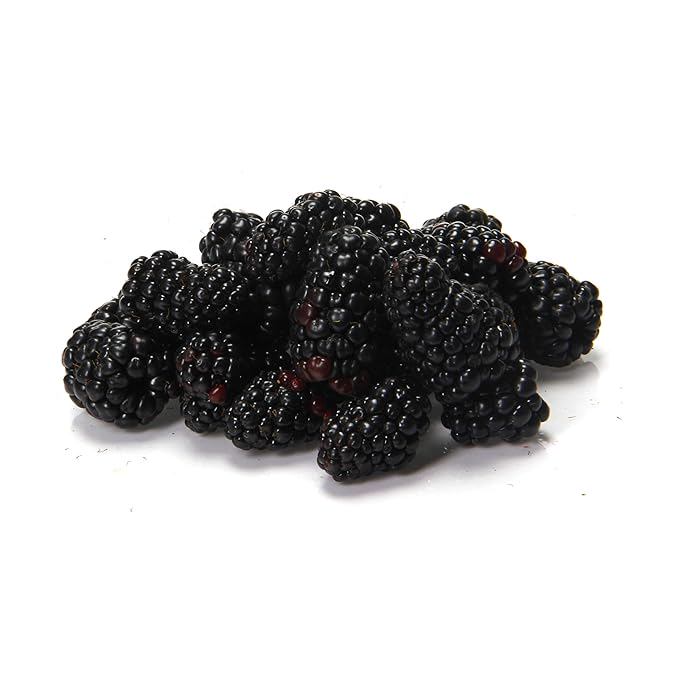
Oatmeal. A small bowl of oats (about ½ cup dry) made with water or a milk alternative provides sustained energy from complex carbohydrates. Keep toppings light—a drizzle of maple syrup or a few berries.
Toast with a light spread. A slice of whole-grain or sourdough bread with a thin layer of honey, jam, or a very small amount of almond butter offers quick and lasting fuel.
Greek yogurt with fruit. A ½ cup of Greek yogurt gives you carbs and protein. Pair it with a handful of berries for extra carbohydrates and flavor.
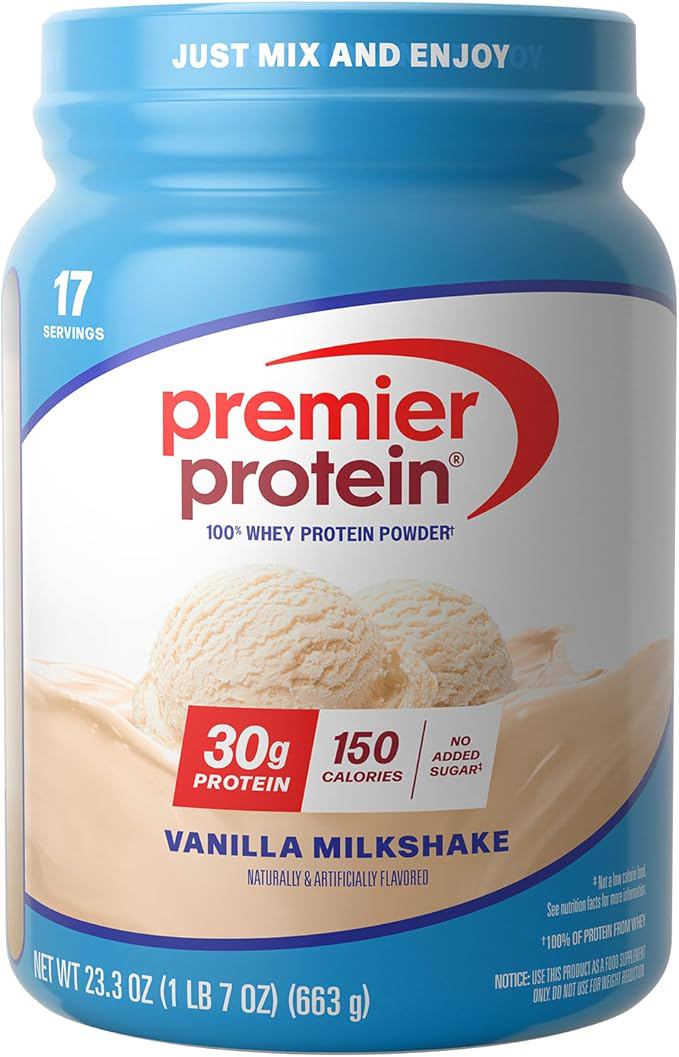
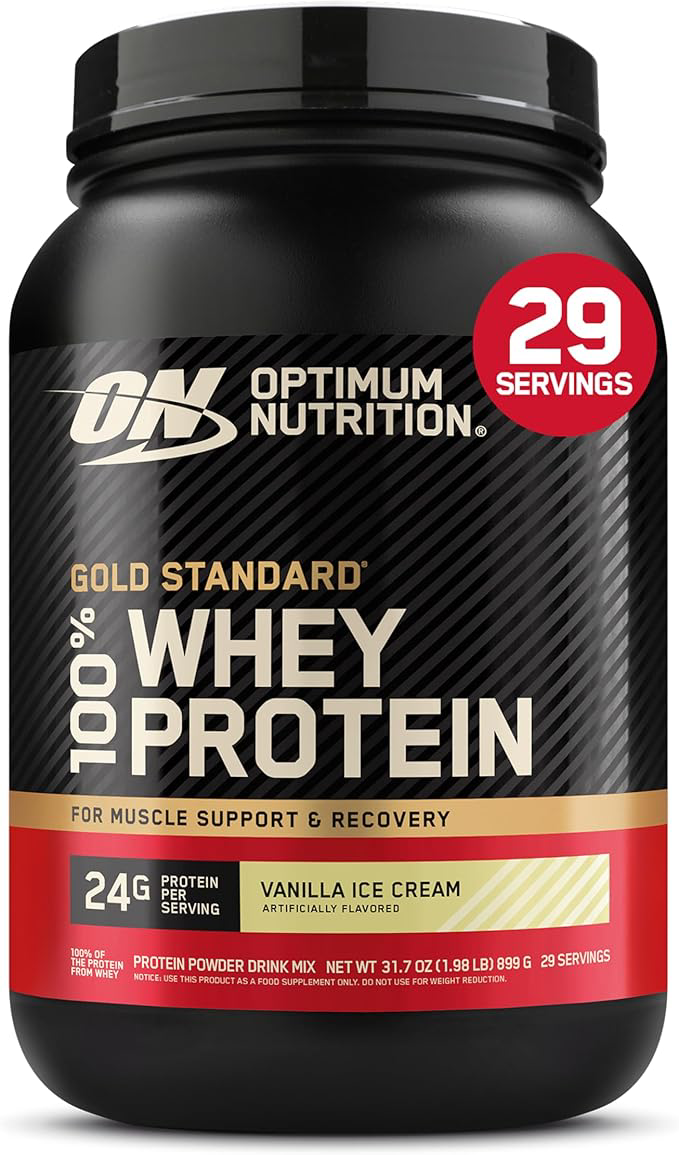
A small smoothie. This can be an excellent option when you don’t feel like eating solid food. Blend a handful of spinach, ½ a banana, a scoop of protein powder, and water or almond milk for a liquid-fuel source.
A rice cake with banana. It’s light, crunchy, and provides simple carbohydrates for a quick energy boost 30 minutes before you start.
What to Avoid Before Hitting the Gym
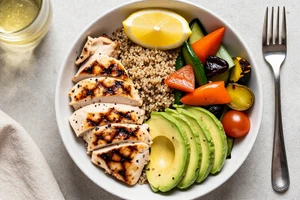
Just as important as knowing what to eat is knowing what might hinder your workout. Foods that are very high in fat, fiber, or protein right before exercise require more work to digest and can lead to discomfort.
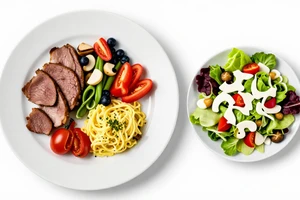
- Heavy, greasy meals: Fried foods, cheeseburgers, or creamy pasta dishes will likely sit in your stomach and can cause sluggishness or indigestion.
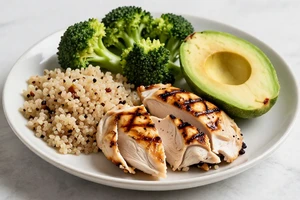
- High-fiber vegetables: While excellent for health, a large salad with cruciferous veggies like broccoli or cauliflower right before a workout can cause gas and bloating for many.
- Very high-protein bars or shakes: A bar or shake that’s mostly protein with few carbs isn’t ideal for immediate energy. It’s more useful for recovery after your workout.
- Sugary candy or soda: While they provide a fast sugar hit, they can lead to a sharp spike and subsequent crash in blood sugar, leaving you feeling drained mid-workout.
Listening to Your Body is Key
These guidelines are a starting point, not a rigid prescription. Individual tolerance varies greatly. Some people can eat a small meal an hour before running with no issue, while others need to exercise on a nearly empty stomach first thing in the morning.
The best practice is to experiment during training sessions, not on race day or before an important event. Try a new snack, note how you feel during your workout—your energy levels, focus, and any digestive feedback. Use that information to refine your personal pre-workout routine.
Hydration is also a critical part of the equation. Being even mildly dehydrated can impair performance and make you feel fatigued. Sip water consistently throughout the day and in the hour leading up to your workout. For most moderate sessions, plain water is sufficient.
Ultimately, pre-workout nutrition is a tool. When you get it right, it fades into the background, allowing you to focus on your movement, your strength, and the simple satisfaction of a good workout.