
You finished a tough workout and now your muscles are demanding fuel. What you eat next matters more than you might think. Choosing the right recovery foods can reduce muscle soreness, replenish energy stores, and support your body's natural repair processes. Among the most effective options are foods packed with antioxidants, which help combat the oxidative stress that exercise naturally produces.
Here are four antioxidant-rich foods that make excellent choices for post-workout recovery.
1. Tart cherries
Tart cherries are one of the few food sources that contain high levels of melatonin, and they are also rich in anthocyanins — powerful antioxidant compounds that give cherries their deep red color. Research suggests that tart cherry juice can reduce muscle pain and strength loss after intense exercise. A small bowl of frozen tart cherries or a glass of unsweetened tart cherry juice after your session provides a convenient recovery option that supports both muscle repair and sleep quality when consumed later in the day.
2. Dark leafy greens
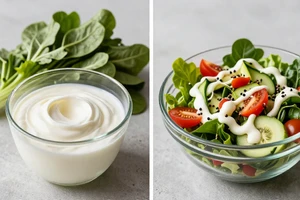
Spinach, kale, and Swiss chard deliver a dense supply of vitamins, minerals, and antioxidants in a low-calorie package. They are particularly high in vitamin C, vitamin E, and beta-carotene, nutrients that work together to neutralize free radicals generated during exercise. The magnesium found in greens also helps with muscle relaxation and can reduce cramping. Try adding a handful of spinach to a post-workout smoothie, or toss a simple salad with lemon juice and olive oil for a refreshing recovery meal.
3. Berries
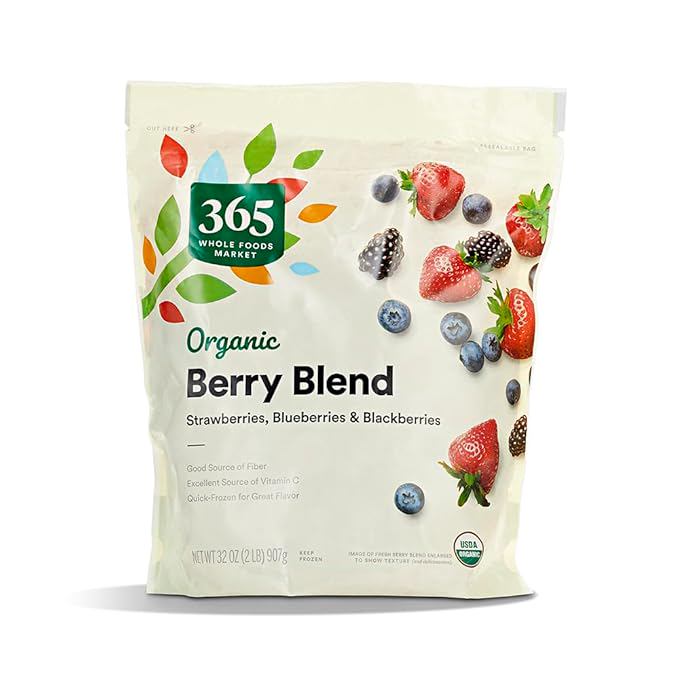
Blueberries, strawberries, raspberries, and blackberries are antioxidant powerhouses. They contain flavonoids that help reduce inflammation and oxidative damage after exercise. A 2017 study found that athletes who consumed blueberries daily experienced less muscle soreness and faster recovery of strength after strenuous workouts. A cup of mixed berries pairs well with Greek yogurt or a scoop of protein powder for a balanced recovery snack that supports both repair and hydration.
4. Nuts and seeds
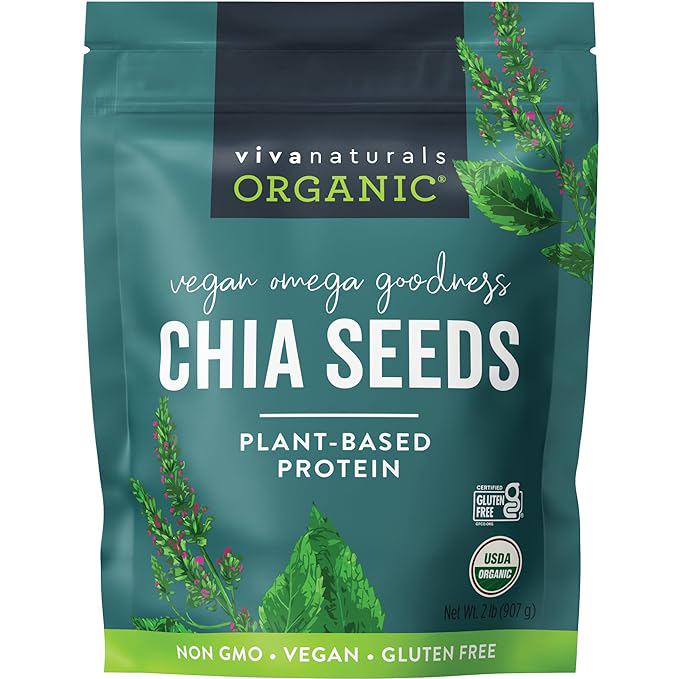
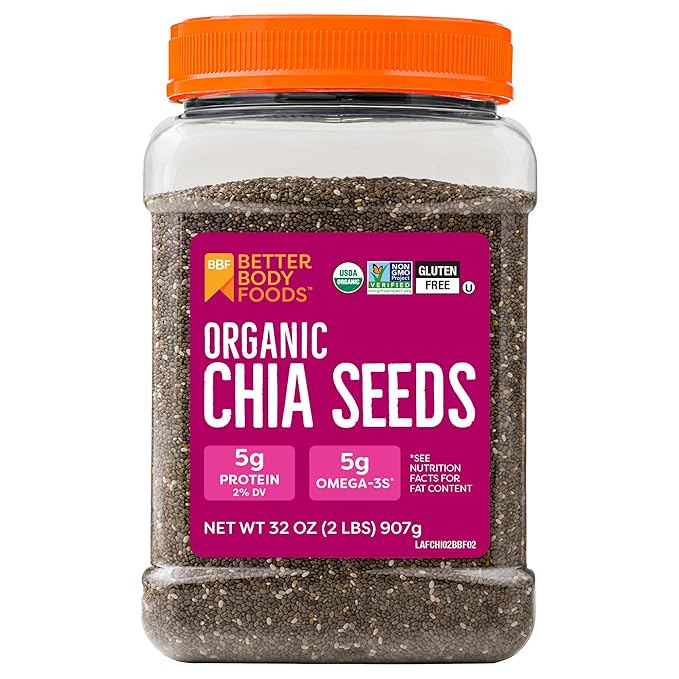
Almonds, walnuts, flaxseeds, and chia seeds provide healthy fats, vitamin E, and selenium — a mineral that plays a role in reducing oxidative stress. Walnuts are especially notable for their high content of omega-3 fatty acids, which help manage inflammation. A small handful of nuts or a tablespoon of chia seeds stirred into water or a recovery shake offers an easy way to add antioxidants and satiating fats to your post-exercise routine.
Combining these antioxidant-rich foods with a source of protein (like eggs, chicken, or a plant-based protein) and complex carbohydrates (such as sweet potato or quinoa) creates a well-rounded recovery meal that supports muscle repair, glycogen replenishment, and overall health.