You've just finished a solid strength session — maybe some squats, rows, and a few push-ups. Your muscles feel worked, your heart rate is coming down, and now there's one big question: what should you eat?
Nutrition after strength training isn't complicated, but it matters. Eating the right things helps your body repair muscle tissue, restore energy, and adapt so you get stronger over time. For beginners especially, understanding this can make the difference between feeling sore and depleted, versus feeling recovered and ready for the next workout.
The short version: protein plus carbs
After lifting weights, your muscles have microscopic tears (that's a good thing — it's how growth happens). Your body needs two main things to rebuild: protein to repair the muscle fibers, and carbohydrates to replenish the glycogen you used for energy. That's really the core idea.
Think of your post-workout meal as a recovery kit. Protein provides the building blocks; carbs refuel the tank.
How soon should you eat?
You don't need to panic and choke down a shake within 30 seconds of your last rep. The so-called “anabolic window” is wider than many fitness influencers suggest. For most people, eating within one to two hours after training is perfectly effective. If you had a protein-rich meal a couple of hours before your workout, you can lean toward the longer end of that window.
That said, if your next meal is more than three hours away, a small snack soon after training is wise — especially if you're feeling hungry or lightheaded.
Protein: what and how much
Research consistently shows that roughly 20-40 grams of protein after a strength workout stimulates muscle protein synthesis well for most people. More isn't necessarily better in a single sitting; your body appears to have a ceiling for how much it can use at once for repair.
Good sources include:
- Chicken, turkey, or lean beef
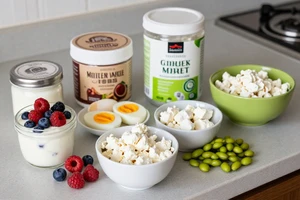
- Eggs (whole eggs are fine; the yolk has nutrients, too)
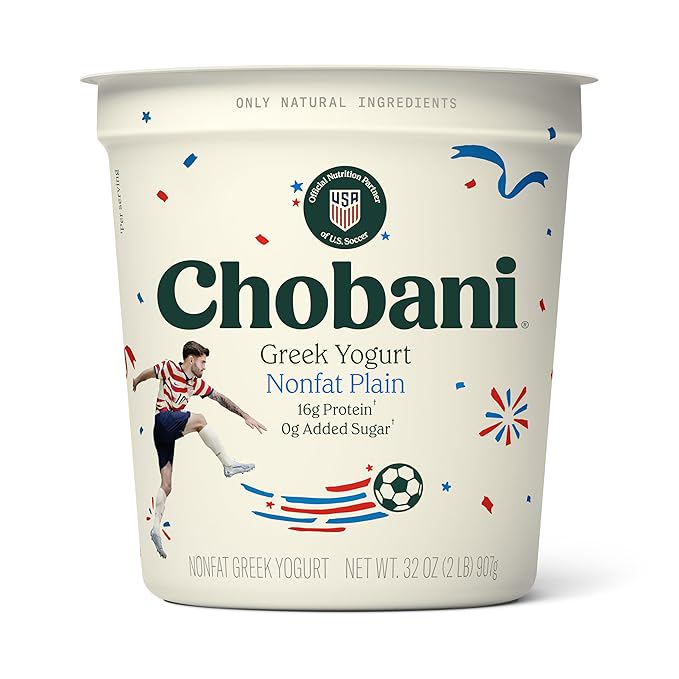
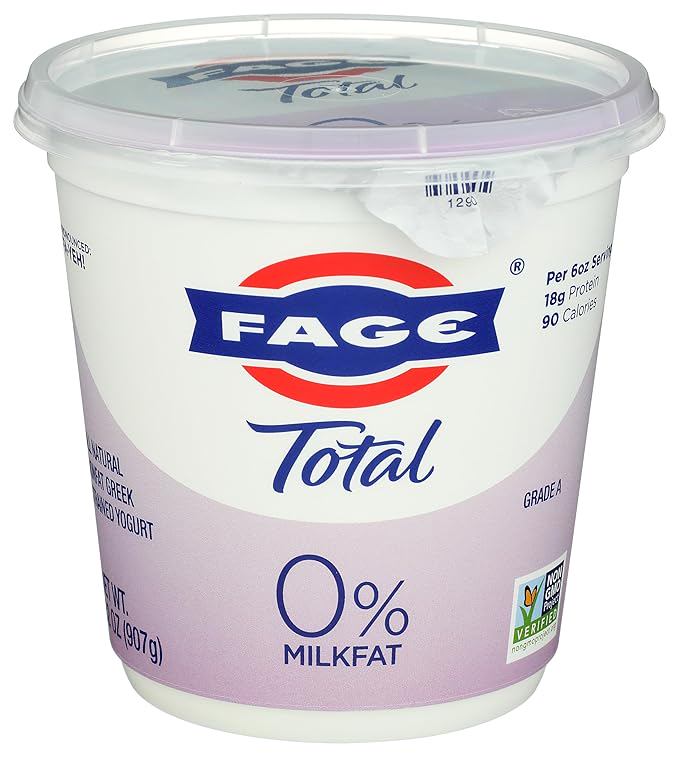
- Greek yogurt or cottage cheese
- Fish like tuna or salmon
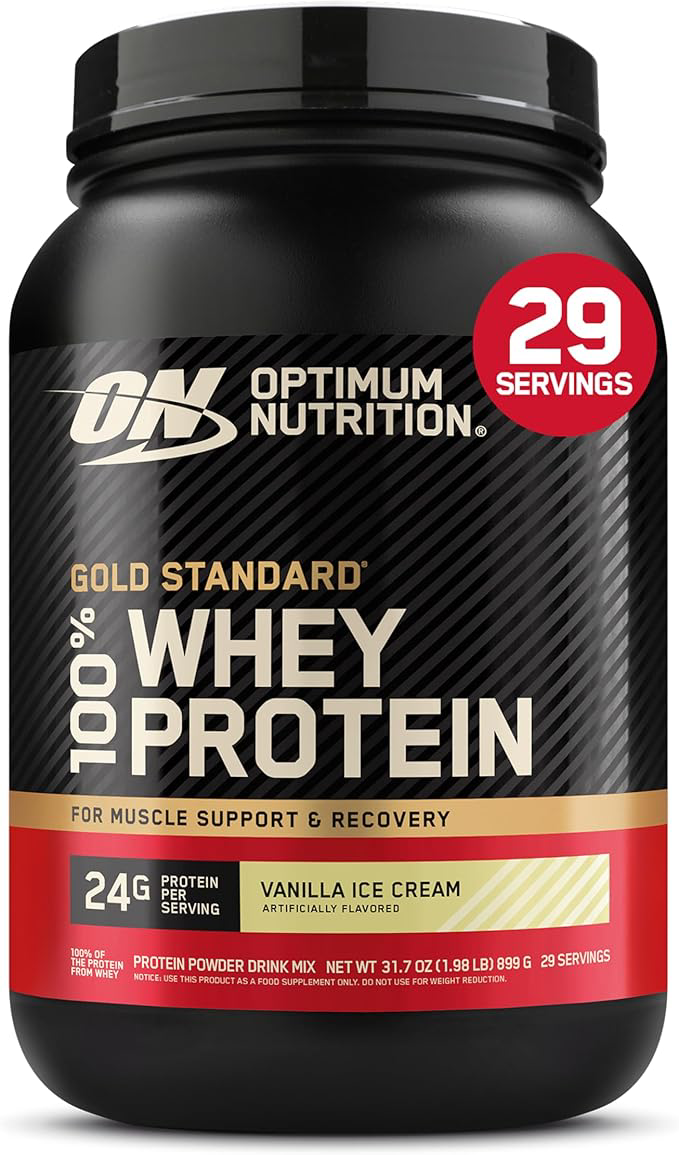
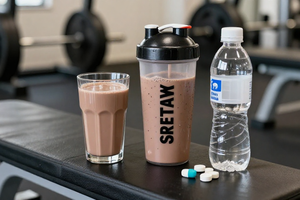
- Protein powders (whey and plant-based options both work)
- Tofu, tempeh, or edamame for plant-based eaters
Carbohydrates: not the enemy
Some beginners worry that eating carbs after a workout will undo their efforts. In reality, post-workout carbs help shuttle protein into muscles and restore energy stores. Without them, you may feel more fatigued the next day and recover more slowly.
Aim for easily digestible carbs — you don't need a truckload, but a reasonable serving makes a difference. Think:
- A banana or apple
- Sweet potato or regular potato
- Rice or oats
- Whole-grain bread or tortillas
- Berries or other fruit
Hydration matters, too
Strength training makes you sweat, and even mild dehydration can blunt recovery. Water is usually sufficient. For harder sessions lasting over an hour or in hot conditions, consider a drink with electrolytes (sodium, potassium, magnesium). Skip sugary sports drinks unless you're doing endurance work; plain water with a pinch of salt and a squeeze of lemon works just fine.
Practical meal and snack ideas for beginners
You don't need a complicated recipe. Here are a few field-tested options that balance protein and carbs without fuss:
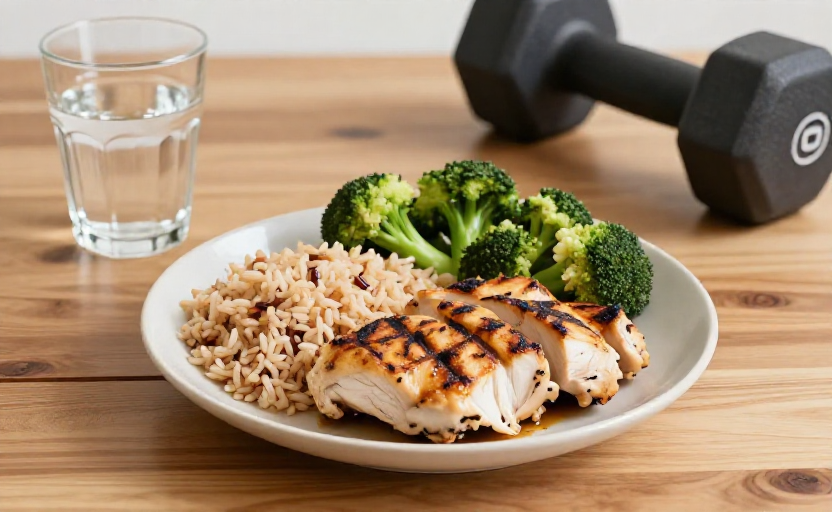
- Chicken and rice bowl: Grilled chicken, white or brown rice, some steamed broccoli. Simple and effective.
- Greek yogurt with berries and granola: Quick, cool, and packs protein plus carbs.
- Two-egg omelet with a whole-grain tortilla: Add spinach or bell peppers for extra nutrients.
- Tuna salad on whole-wheat crackers: Canned tuna mixed with a little mayo or Greek yogurt, served with crackers and an apple.
- Protein shake with a banana: About as fast as it gets — blend, drink, done.
- Cottage cheese with pineapple chunks: Strange-sounding but surprisingly good, and protein-rich.
What if you don't feel like eating right after?
Some people lose their appetite during intense exercise. That's normal, but you still need fuel. A liquid option like a smoothie or protein shake is often easier to handle than solid food. You can also drink chocolate milk — it has a decent protein-to-carb ratio and is surprisingly effective for recovery (without the hype).
A note on fats
Fat is important for overall health, but it slows digestion. Immediately after a workout, you want nutrients to be absorbed fairly quickly. So while you don't need to avoid healthy fats, it's smart to keep the post-workout meal relatively low in fat — save the avocado or nut butter for your next meal.
FAQ for beginners about post-strength workout nutrition
Can I just drink water and skip food after a workout?
Water alone won't provide the protein and carbs your muscles need to repair. If you skip food you may still recover, but more slowly, and you might feel more sore or fatigued. A small snack is better than nothing.
Is it okay to eat a full meal right after strength training?
Yes, as long as it's a balanced meal with protein, carbs, and minimal fat. Some people prefer waiting an hour to let their stomach settle. Listen to your body — if a full meal feels heavy, start with a snack and eat the rest later.
Should I use protein powder or can I get enough from food?
Food works perfectly well for most people. Protein powder is convenient but not necessary. If you eat a protein-rich meal (like chicken or eggs) after your workout, you're covered. Powder just offers a quick option when cooking isn't practical.
What happens if I only eat protein and no carbs after lifting?
You'll still get some benefit, but you'll miss out on glycogen replenishment, which can leave you feeling low on energy for your next workout. Carbs also help transport protein into muscle cells. Aim for both — it doesn't take many carbs to make a difference.