
You have probably heard the standard advice to hydrate before exercise. That is good general guidance, but if your goal is to protect your shoulders and maintain a full, pain-free range of motion during overhead presses, pull-ups, or swimming, you might need to be more specific about what is in your water bottle.
Shoulder mobility relies on supple muscles, well-lubricated joints, and the right balance of electrolytes to support nerve signaling. Drinking the wrong thing—or skipping fluids altogether—can leave the rotator cuff and deltoids prone to stiffness or strain. Dietitians who work with active clients point to a few evidence-backed choices that support the shoulder complex without overcomplicating your pre-workout routine.
Why Shoulder Mobility Needs a Targeted Hydration Approach
The glenohumeral joint is the most mobile joint in the body, which also makes it vulnerable. It depends on the rotator cuff muscles and the surrounding capsule for stability. When you are even slightly dehydrated, the synovial fluid that lubricates the joint becomes less effective. Muscle tissue loses elasticity, and the fascia—the connective tissue that wraps around the deltoids and rotator cuff—can feel tighter, reducing your ability to reach overhead with control.
A pre-workout drink that supports shoulder mobility does two things: it optimizes fluid balance inside the joint capsule, and it provides the electrolytes needed for smooth neuromuscular communication. That means fewer compensations during your pressing or pulling movements, which lowers your risk of impingement or tendinopathy over time.
Water First, But Not Just Plain Water
Plain water is the baseline, and for a short, low-intensity session it is often enough. But if your workout involves overhead pressing, pull-ups, or any movement that puts your shoulders through a large range of motion, you benefit from a drink that contains sodium and potassium. These electrolytes help your muscles hold onto the fluid they need, and they support the nerve signals that tell your deltoids and rotator cuff to fire in the right sequence.
“Sodium is the electrolyte we lose most through sweat, and it is essential for muscle contraction. Without enough of it, your muscles—including those around the shoulder girdle—are more prone to cramping and early fatigue, which can alter your movement patterns.” — Ryanne Lachman, MEd, RD, CSSD
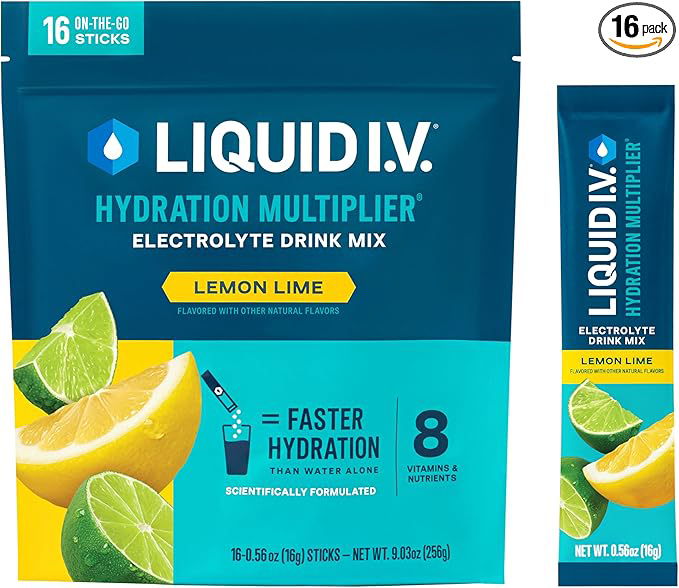
Rather than plain water, consider water with a pinch of high-quality sea salt, or an electrolyte tablet that provides around 200–300 milligrams of sodium and a modest amount of potassium. This is especially helpful if you train early in the morning, when you might already be slightly dehydrated from overnight fluid loss.
Tart Cherry Juice for Inflammation Control
Tart cherry juice has gained attention in sports nutrition for its concentration of anthocyanins, plant compounds with anti-inflammatory effects. For shoulder health specifically, drinking tart cherry juice about 45–60 minutes before a workout may help reduce the oxidative stress that accumulates in the rotator cuff during repeated overhead movements. A glass of tart cherry juice (around 8–12 ounces) provides natural sugars for quick energy and compounds that may blunt the inflammatory response without interfering with the muscle-building signal.
Look for unsweetened varieties to avoid excess added sugar. If the pure juice is too tart for your palate, dilute it with a little water and a small pinch of salt—this creates a DIY sports drink that supports both hydration and joint comfort.
Watermelon Juice for Citrulline and Hydration
Watermelon is naturally rich in L-citrulline, an amino acid that the body converts into L-arginine, which boosts nitric oxide production. Nitric oxide relaxes blood vessel walls, improving circulation to working muscles. For the shoulders, better blood flow means that the small stabilizing muscles of the rotator cuff receive oxygen and nutrients more efficiently, and metabolic waste products are cleared more quickly.
A small glass of fresh watermelon juice (about 6–8 ounces) 30 minutes before your workout can improve blood flow to the shoulders without the stomach heaviness of a full meal. The natural sugars offer a light energy boost, and the fruit is high in water content, which supports baseline hydration.
If you buy bottled watermelon juice or concentrate, check the ingredient list to ensure it is close to 100 percent juice with minimal added sweeteners.
Green Tea for a Gentle Stimulant and Antioxidant Support
Green tea contains a modest amount of caffeine—about 25 to 40 milligrams per cup, compared to 90 to 120 milligrams in brewed coffee. That is enough to sharpen focus and reduce perceived effort without the jitters that can tighten the upper trapezius and neck muscles, which often contribute to poor shoulder mechanics. The compound epigallocatechin gallate (EGCG) in green tea has been studied for its role in reducing exercise-induced oxidative damage, which can accumulate in the shoulder joint over weeks of heavy training.
Drink one cup of freshly brewed green tea about 30–40 minutes before your warm-up. If you prefer iced tea, brew it fresh and let it cool rather than using bottled teas that often contain added sugar or minimal levels of active catechins.
What to Avoid Before Shoulder-Focused Training
Just as important as what you drink is what you leave out. Excessive caffeine from energy drinks or large coffee servings can increase muscle tension and anxiety, which often manifests as shrugged shoulders and restricted scapular movement. Carbonated beverages can cause bloating and gastric discomfort that distracts you from maintaining proper form during overhead exercises. Sugary sports drinks with high fructose corn syrup offer empty calories and can contribute to systemic inflammation, which is counterproductive if your goal is to protect a mobile, healthy joint.
Alcohol is also a clear no—it dehydrates, impairs coordination, and reduces the quality of neuromuscular control needed for precise shoulder movements.
Timing and Practical Tips
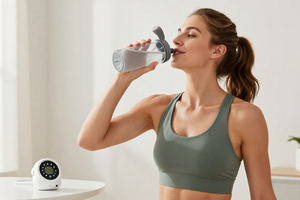
Drink 8–12 ounces of your chosen beverage 30 to 60 minutes before your workout. This gives your body time to absorb the fluid and active compounds. Sip water during your warm-up if needed, but avoid chugging large volumes right before you lift, which can lead to sloshing and discomfort.
If you experiment with tart cherry juice or watermelon juice, start with a smaller amount (about 4 ounces) to see how your stomach handles it before a full session.
Supporting shoulder mobility is about consistency, not a single magic drink. When you pair thoughtful pre-workout hydration with a proper warm-up that includes scapular retractions, band pull-aparts, and controlled arm circles, you build a routine that keeps your shoulders healthy and ready for demanding work.