For years, the cool-down has been treated like the final scene of a movie that everyone walks out on. You crush a heavy squat session or finish that last punishing set of barbell rows, and the instinct is to grab your bag and head for the door. But a handful of seconds spent hunched over your knees or a half-hearted quad stretch is probably not doing much for your recovery. I asked several strength coaches what they actually prescribe for the post-workout wind-down, and the consensus is clear: we have been overcomplicating it.
The goal of a cool-down is not to “flush out lactic acid” (that happens on its own within an hour) or to magically prevent all soreness. What it can do is signal your nervous system to shift from high alert to rest-and-repair mode. When done correctly, it improves your range of motion for the next session and reduces the intensity of delayed-onset muscle soreness (DOMS). Here is what the coaches want you to know.
Why a static stretch isn't your best first move
You have probably been told to drop into a standing hamstring stretch or sit in a butterfly position immediately after your last rep. Many strength coaches disagree with that approach. “Holding a static stretch on a cold, fatigued muscle can actually increase the risk of micro-tears and won’t help soreness the way people think,” one coach explained. Instead, the priority in the first five minutes after lifting should be low-intensity movement that keeps blood flowing without demanding much energy.
Walk on a treadmill or pedal a stationary bike at a very easy pace for five minutes. That gentle motion helps clear metabolic waste and prevents blood from pooling in your extremities—which is what causes that lightheaded feeling after a hard set.
This “active recovery” phase is the part of the cool-down that most lifters skip. It does not feel like work, so it feels optional. But coaches treat it as non-negotiable, especially for lifters who train legs or deadlifts. The walking or cycling period is the transition bridge between exertion and stillness.
The mobility reset: targeting the joints, not the muscles
Once your heart rate has dropped and you are no longer sweating buckets, the next five to seven minutes should focus on controlled mobility work. Notice the word “mobility.” Coaches distinguish this from passive stretching. Mobility means you are actively moving a joint through its available range while under light muscular control.
A sample mobility reset that comes up repeatedly in coaching circles is a short sequence of deep lunges with a torso twist, cat-cow stretches, and supine hamstring slides. The idea is not to yank yourself into a position but to gently remind your hips and spine of their full capacity after they have been compressed under a barbell. The coaches I spoke with pointed out that hip flexor and thoracic spine work pays the biggest dividends for soreness reduction because those areas get stiff from sitting and from squatting.
A Note on Breathing During the Cool-Down
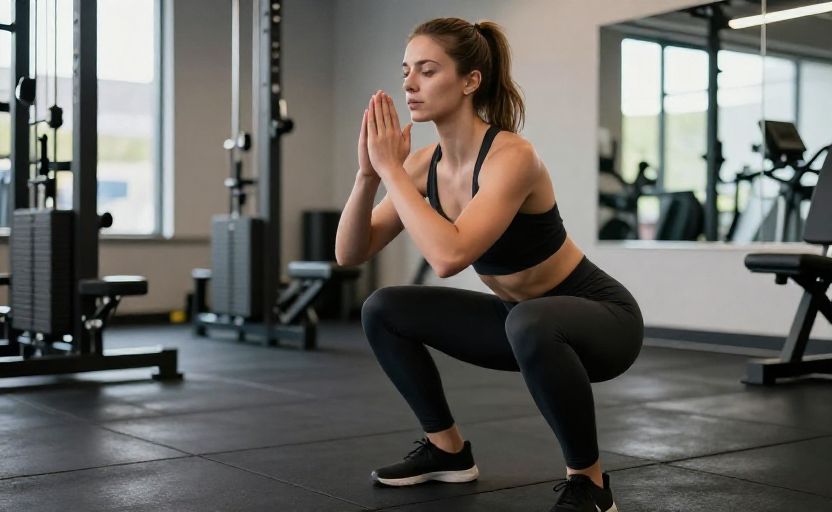
One coach emphasized that breathing technique matters more than the specific stretch. “If you take five deep belly breaths in a deep squat, your nervous system gets the message that the fight is over,” they said. That breath work, combined with the mobility movements, is what actually decreases cortisol and helps your muscles relax. Without intentional breathing, you are just going through the motions.
The one area where static stretching still fits
If you want to include a few static stretches, the coaches agreed that the best time is after you have already done the walking and the mobility work—not before. By then, the tissues are warm and the nervous system is calm enough that gentle static holds will not trigger a protective contraction.
Stick to two or three stretches for the muscles you trained hardest. A 30-second hold per side is sufficient. Prolonged holds beyond 60 seconds can temporarily decrease strength output for the next 24 hours, which defeats the purpose if you are training again soon. The sweet spot is a short, comfortable hold that feels like a release, not a struggle.
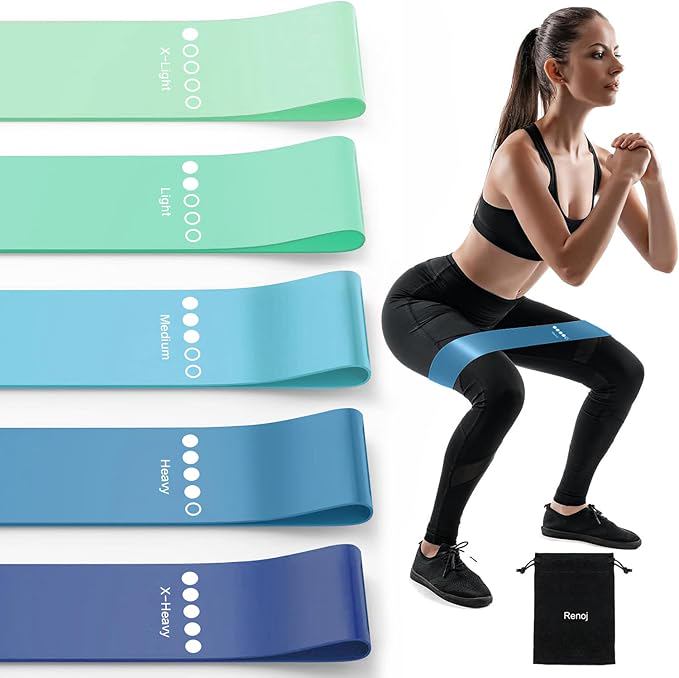
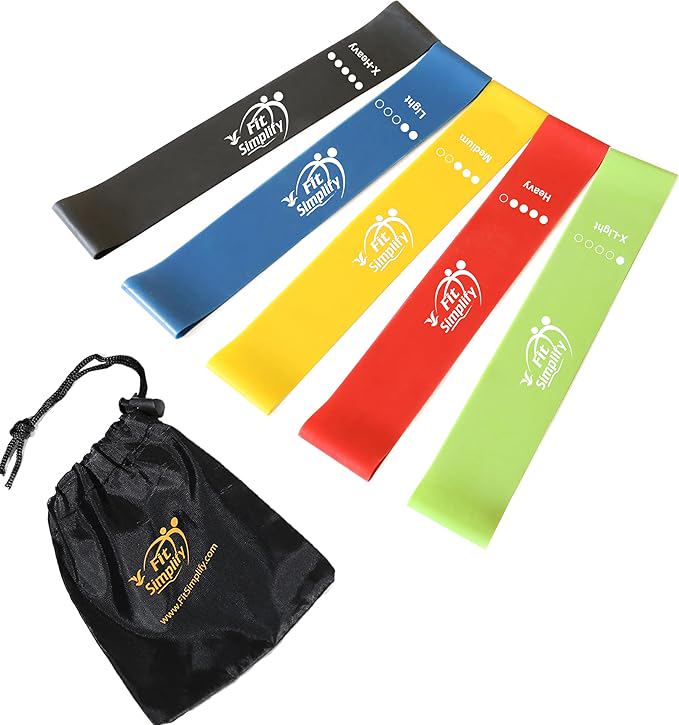
- For lower body work: supported hamstring stretch (lie on your back with a strap around your foot) and a kneeling hip flexor stretch.
- For upper body work: doorway chest stretch and a seated thoracic rotation.
If you do not feel like stretching, do not force it. The coaches said the active recovery and mobility components do 80 percent of the job. Static stretching is optional polish, not the main event.
What about foam rolling and tools?
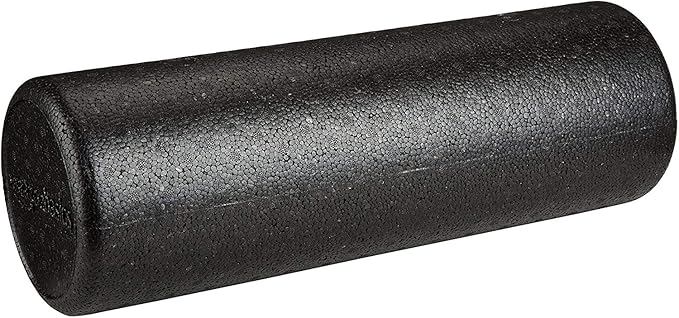
Foam rolling and lacrosse ball work can be part of a cool-down, but they need context. Rolling out a tight quad or glute after a hard session can feel good and reduce some immediate soreness. However, coaches caution against aggressive rolling on already damaged muscle tissue. “If you’re sore and you grind a foam roller into your hamstring for five minutes, you’re just adding more trauma,” one coach warned. Use the roller gently to desensitize the area, not to “break up” scar tissue (which it does not do).
The most practical recommendation that kept surfacing: keep a foam roller at home for later in the day, not in the gym bag. Light rolling before bed tends to improve sleep quality for lifters, which is arguably the most powerful recovery tool anyway. No cool-down replaces good sleep.
Putting it all together: a six-minute cool-down you can actually do
If you only have a few minutes after lifting, the coaches suggested this streamlined sequence that hits the key points without requiring extra equipment or much space:
- Two minutes of slow walking or easy pedaling. Just enough to get your breathing back to normal.
- Two minutes of deep squat holds with breathing. Stay at the bottom of a squat (use a support if needed) and take ten slow, deep breaths.
- One minute of a hip flexor stretch per side. Kneel in a half-kneeling position and gently press your hips forward, keeping your torso upright.
- One minute of a supported hamstring stretch per side. Lie on your back, loop a towel or strap around your foot, and keep a slight bend in your knee as you pull the leg toward you.
That routine takes about six minutes and covers the nervous-system shift, the major joint mobilizations for lifters, and a gentle static stretch for the most commonly tight muscles. It is not glamorous, but consistency with a short routine beats an elaborate one that you skip after three days.
The takeaway from every coach I spoke with is simple: a cool-down is not about fixing the workout you just finished. It is about preparing your body for tomorrow’s workout. The best cool-down is the one you will actually do, and that usually means keeping it short, moving your joints through pain-free ranges, and remembering to breathe.