
You sit down to a meal—maybe a big bowl of pasta, or a coffee and a pastry from the drive-through. An hour later, your stomach is growling. It feels like you just ate nothing at all. This isn't willpower snapping or a lack of discipline. It is your body's sophisticated hunger signaling system reacting to a missing message in your meal: macronutrient balance.
Each of the three major macronutrients—protein, fat, and carbohydrates—sends a distinct signal to your brain and digestive tract. Ignoring any one of them doesn't just change the calorie count on your plate; it fundamentally alters how full you feel, how long that fullness lasts, and whether you experience energy crashes or cravings later. Here is exactly what happens inside your body when that balance is off, and why your hunger becomes erratic as a result.
The Short-Lived Fullness of a Carb-Heavy Meal
Carbohydrates are the body's quick-access fuel. When you eat primarily carbs—think white rice, bread, sugar, or fruit juice without a protein or fat accompaniment—your blood glucose rises rapidly. In response, your pancreas releases insulin to shuttle that glucose into your cells. This works well for immediate energy, but it also sets you up for a hunger rebound.
Insulin's job is efficient. It often overshoots a little, pulling too much glucose out of your bloodstream. Within a couple of hours, your blood sugar can dip below its baseline. That dip is registered by the brain as an energy crisis, triggering the release of hunger hormones like ghrelin and adrenaline. Suddenly, you feel irritable, shaky, and deeply hungry—even though you ate just a short time ago.
A high-carb meal without enough protein or fat is like lighting a fast-burning fire: intense heat, then cold ashes very quickly.
This pattern is especially pronounced with refined carbohydrates. Whole-food carbs (like oats, beans, or sweet potatoes) come with fiber, which slows digestion and blunts the glucose spike. But even whole carbs, eaten in isolation, don't provide the sustained satiety signals that come from protein and fat.
How Protein and Fat Change the Satiety Equation
Protein is the most satiating macronutrient per calorie. When you eat protein, it triggers the release of peptide YY (PYY) and cholecystokinin (CCK) from your gut. These hormones travel to the brain and directly reduce appetite. Protein also has a high thermic effect—your body burns about 20–30% of protein calories just digesting and metabolizing it. That metabolic work keeps you feeling satisfied longer.
Fat, on the other hand, slows gastric emptying. When fat enters the small intestine, it triggers the release of CCK and also stimulates the ileal brake mechanism, which slows the movement of food through the digestive tract. This prolonged presence of food in your stomach and small intestine sends a steady signal of fullness to the brain. It also prevents the rapid glucose spike and crash that carbs alone cause.
When you ignore fat or protein in a meal, you lose both the hormonal appetite suppression and the mechanical delay in digestion. Your meal passes through your system too quickly, and the hunger center in your hypothalamus never receives the signal that you've had enough to eat.
Why Your Cravings Feel So Specific
You may notice that after a carb-heavy lunch, you start craving sweets or salty snacks within two hours. This is not random. When your blood sugar dips, your body doesn't just want any food—it craves quick energy, which means carbohydrates again. Without protein or fat to stabilize that glucose curve, you enter a cycle: eat carbs, crash, crave more carbs.
There is also a psychological dimension. Meals that lack satiety signals leave you feeling unsatisfied, even if you consumed plenty of calories. You might find yourself searching the pantry for something that "sticks." That feeling is your body's physical hunger for protein or fat, misread as a general desire to eat.
The Specific Price of Skipping Protein
If you consistently eat meals low in protein, your body's hunger regulation can become dysregulated over time. Low protein intake is associated with higher overall calorie consumption in subsequent meals—a phenomenon researchers call "protein leverage."
The protein leverage hypothesis suggests that humans have a strong drive to meet a target protein intake. If your meals are diluted with carbs and fat but contain little protein, you will keep eating until that protein target is reached. This can lead to passive overconsumption of calories, as you chase a satiety signal that never arrives from carbohydrate-heavy foods.
For example, a breakfast of cereal with milk (mostly carbs) might leave you searching for a mid-morning snack. Swap that for eggs and vegetables cooked in olive oil (protein, fiber, fat), and you are far less likely to feel hungry before lunch.
When Fat Is Missing From the Equation
Low-fat diets, particularly very low-fat diets, often result in a type of hunger that feels hollow or unsatisfied. Without adequate fat, meals lack mouthfeel and flavor depth—factors that contribute to sensory-specific satiety (the point at which you feel you've had enough of a particular food). More importantly, without fat, the ileal brake mechanism is weakened. Food moves through the small intestine faster, reducing the duration of the fullness signal.
Fat also helps with the absorption of fat-soluble vitamins (A, D, E, K) and supports the production of hormones that regulate appetite, including leptin. Chronically low-fat eating patterns can lead to lower circulating leptin levels, which may reduce your sensitivity to its fullness-promoting signals over time.
Practical Signs That Your Balance Is Off
Your body gives clear feedback when macronutrient balance is neglected. If you recognize any of these patterns, your meals may need adjusting:
- You feel hungry within 90 minutes of eating. This strongly suggests the meal was too carb-heavy and low in protein or fat.
- You experience the three o'clock slump. Afternoon energy crashes often stem from a lunch that spikes and then drops blood sugar.
- You crave sugar or simple carbs specifically. This is the body's signal for a quick fix after a blood sugar dip.
- You feel full, but not satisfied. Fullness from volume (like a big salad with no protein or fat) is different from the hormonal satisfaction of a balanced plate.
Building a More Stable Hunger Pattern
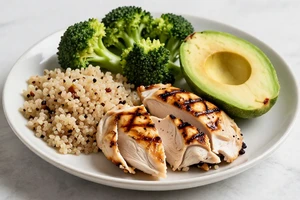
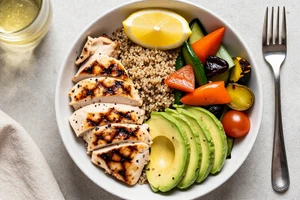
You don't need to track grams rigidly, but understanding the template helps. A meal that supports stable hunger across three to five hours typically includes a source of lean or fatty protein (chicken, fish, eggs, tofu, legumes), a source of fat (oil, avocado, nuts, seeds, cheese), and a source of carbs with fiber (vegetables, fruits, whole grains).
If you typically eat a carb-heavy breakfast, try adding two eggs or a spoonful of nut butter. If your lunch is a sandwich on white bread, consider adding chicken or turkey and swapping the bread for a whole-grain version. These small substitutions introduce protein and fat without drastically changing what you like to eat.
Over time, this balance helps stabilize ghrelin, keep blood glucose curves flat, and maintain the signal between your gut and brain that says, "I have eaten enough for now." Your hunger stops feeling urgent, and eating becomes a choice rather than a reaction.