
You’ve made the decision to take a vitamin supplement, whether it’s a daily multivitamin or a specific nutrient like vitamin D or iron. The next question is often a practical one: should you take it with a meal, or on an empty stomach? The answer isn’t just about convenience—it can significantly impact how well your body absorbs the nutrients and how you feel afterward. Here’s what dietitians want you to know about timing your vitamins with meals.
The core principle is bioavailability, which refers to how much of a nutrient your body can actually absorb and use. Some vitamins are fat-soluble, meaning they dissolve in dietary fat. Others are water-soluble. This fundamental difference dictates the ideal timing for taking them. Beyond absorption, taking certain vitamins with food can prevent common side effects like nausea or stomach upset.
Fat-Soluble Vitamins: The Meal-Time Musts
Fat-soluble vitamins—A, D, E, and K—require dietary fat for proper absorption. Taking them on an empty stomach means much of the nutrient may pass through your system unused.
Think of dietary fat as the vehicle that transports these vitamins into your bloodstream.
You don’t need a large, fatty meal. Dietitians suggest pairing these vitamins with a meal or snack that contains a source of healthy fat. This could be a handful of nuts, a slice of avocado on toast, yogurt, or eggs cooked with a little olive oil. Taking your vitamin D with your morning eggs or your multivitamin with lunch ensures the fat-soluble components have the carrier they need.
Water-Soluble Vitamins: Flexibility With a Caveat
Vitamins C and the B-complex vitamins (like B12, folate, and niacin) are water-soluble. They dissolve in water and don’t require fat for absorption, so you have more flexibility on timing. However, there are still good reasons to consider taking them with food.
For one, some B vitamins, particularly B6 and niacin, can cause mild nausea or flushing when taken on an empty stomach. A small meal can buffer this effect. More importantly, some water-soluble vitamins work in concert with food. For example, B vitamins are crucial for converting the food you eat into energy. Taking a B-complex vitamin with a meal aligns its presence with your body’s metabolic process.
Special Considerations for Key Minerals
While not vitamins, minerals like iron, calcium, and magnesium are common supplements with specific timing rules tied to meals.
Iron
Iron supplements are best absorbed on an empty stomach, but they are notorious for causing gastrointestinal distress. Dietitians often recommend a middle ground: take iron with a small amount of vitamin C-rich food, like a few pieces of orange or bell pepper, to enhance absorption while minimizing stomach upset. Avoid taking iron with calcium-rich foods or drinks, as calcium can inhibit iron absorption.
Calcium
Calcium is best taken in smaller doses (500 mg or less) with food for optimal absorption. Taking it with a meal also helps reduce the slight risk of kidney stones associated with high-dose calcium supplements.
Magnesium
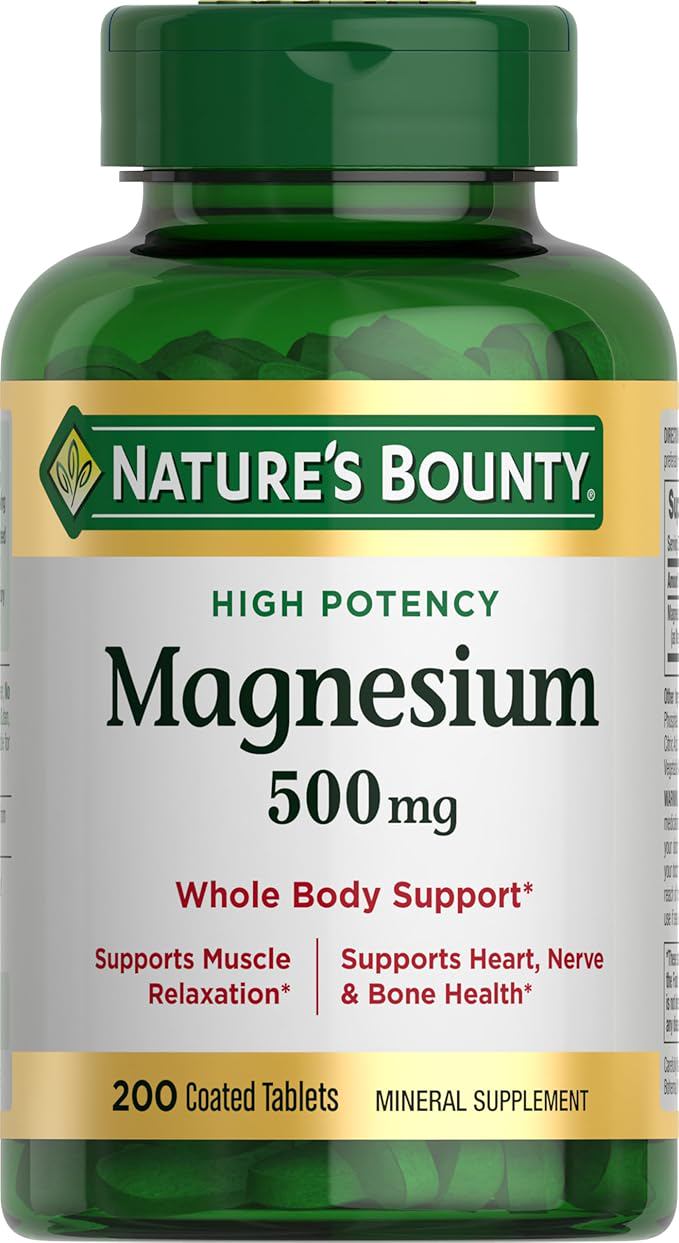
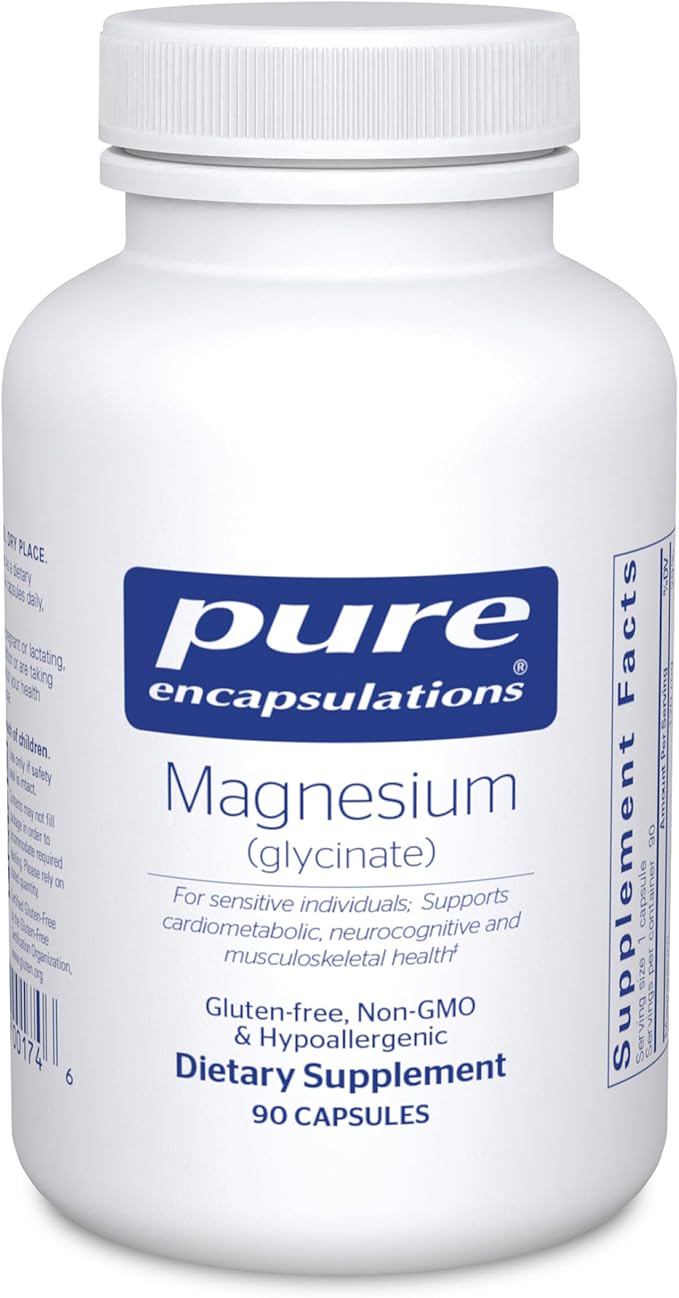
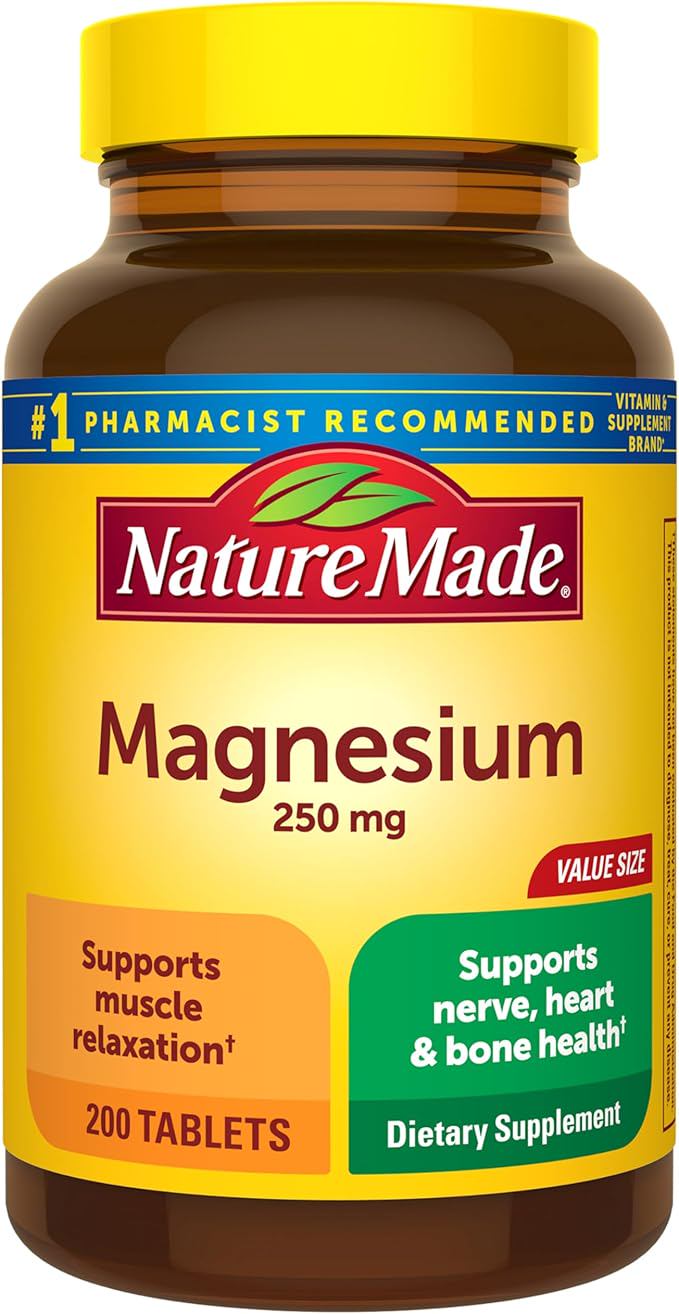
Magnesium is another mineral that can cause digestive loosening if taken in high doses on an empty stomach. Taking it with a meal, especially dinner, can improve tolerance. Some forms, like magnesium glycinate, are also known for their calming effects, making an evening dose with food a popular choice.
Putting It All Into Practice
If your regimen includes multiple supplements, simplicity is key to consistency. For most people, dietitians suggest taking the majority of supplements with your largest meal of the day, which likely contains enough fat to aid absorption of fat-soluble vitamins and enough bulk to prevent stomach issues.
- Morning with breakfast: A good time for a multivitamin, vitamin D, or a B-complex if your breakfast includes some fat (e.g., yogurt, nut butter, eggs).
- Lunch or dinner: An ideal time for fish oil, fat-soluble vitamins, or calcium if you missed it earlier.
- Evening with food: Consider magnesium or iron (if tolerated) with your evening meal.
Always check the label on your specific supplement for manufacturer instructions, and when in doubt, consult with a registered dietitian or your healthcare provider. They can help you tailor timing to your unique diet, supplement list, and health goals, ensuring you get the full benefit of your nutritional support.