
Slow cookers are a go-to for busy weeknights, but if you're wondering whether all that low-and-slow heat strips away nutrients from your carefully prepped vegetables, you're not alone. Dietitians confirm that nutrient loss during slow cooking does happen—but it's not the whole story. With the right techniques, your slow cooker can still deliver meals that are both convenient and nutritious.
Understanding how heat, water, and cooking time affect vitamins and minerals helps you make simple adjustments that preserve more of what's good in your ingredients. Here's what dietitians actually recommend when you're planning slow cooker meals.
Do slow cookers destroy nutrients?
Heat breaks down some vitamins, especially water-soluble ones like vitamin C and many B vitamins. Because slow cookers use prolonged heat and often a sealed, moist environment, some nutrient degradation is inevitable. However, dietitians point out that this isn't unique to slow cookers—any cooking method that applies heat will cause some loss.
What matters more is the bigger picture. Fat-soluble vitamins (A, D, E, K) and minerals like potassium, magnesium, and zinc hold up relatively well during slow cooking. Plus, many of the nutrients that do leach into the cooking liquid end up in your broth or sauce, meaning you still consume them if you eat the whole dish.
Tip: Don't discard the cooking liquid. The flavorful broth in your slow cooker holds the water-soluble vitamins that migrated out of the vegetables. Using it as a base for your meal recovers most of those nutrients.
Which foods lose the most nutrients in a slow cooker?
Vegetables high in vitamin C—like bell peppers, broccoli, spinach, and kale—are the most vulnerable. The longer they cook and the higher the temperature, the more vitamin C degrades. Dietitians often suggest adding these delicate greens toward the end of cooking (in the last 15–30 minutes) rather than letting them simmer for hours.
Similarly, B vitamins found in legumes, whole grains, and some vegetables are heat-sensitive. However, cooking dried beans and lentils in a slow cooker can actually improve nutrient availability by breaking down anti-nutrients like phytic acid, which can block mineral absorption.
Make smarter prep choices
- Cut vegetables larger: Larger chunks have less surface area exposed to heat and water, which reduces nutrient leaching. Aim for uniform but generous pieces.
- Keep the peel on: When appropriate (and thoroughly washed), leaving the skin on potatoes, carrots, and squash preserves nutrients found just under the skin.
- Use minimal liquid: Unless a recipe specifically needs more liquid, start with less. Vegetables release moisture as they cook, and excess water increases nutrient loss.
Does cooking on low versus high make a difference?
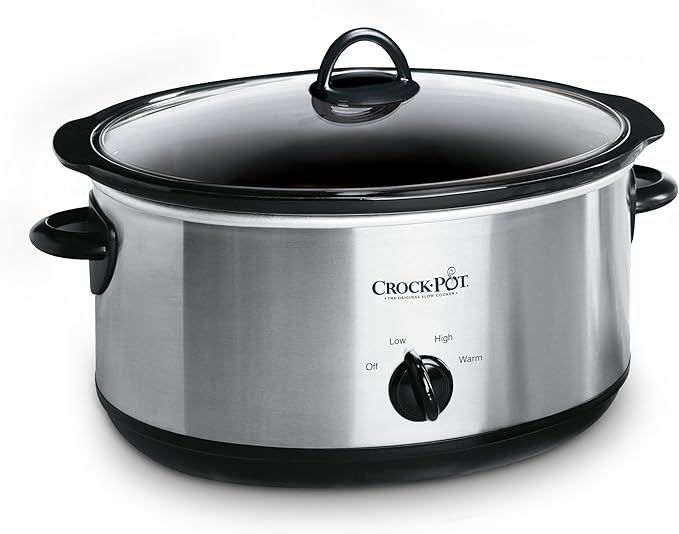
Yes. Most dietitians recommend using the "low" setting whenever possible. The lower temperature (around 190–200°F) causes less damage to heat-sensitive nutrients compared to the "high" setting (around 300°F), even if the total cooking time is longer. The slower, gentler heat also helps break down tough fibers in meats and legumes without creating the same level of vitamin degradation as higher heat.
Quick rule: Use low for overnight or all-day cooking (8–10 hours). Use high only when you need a meal in 4–5 hours and don't have delicate vegetables in the pot.
Should you sauté vegetables before slow cooking?
Dietitians generally say yes—but not for nutrient preservation alone. Sautéing onions, garlic, and aromatics in a small amount of oil before adding them to the slow cooker does cause minor nutrient loss, but it unlocks flavor compounds and improves the overall eating experience. The trade-off is worthwhile because you'll enjoy your meal more and are less likely to add heavy sauces or salt later.
For the vegetables that are most nutrient-dense (dark leafy greens, bell peppers, broccoli), skip the pre-cooking and add them in the last segment of cooking to limit their exposure to prolonged heat.
How to maximize nutrition in slow cooker meals
- Layer ingredients strategically: Place root vegetables and dense squash at the bottom where heat is more direct. Add delicate greens and herbs on top in the last 30 minutes.
- Don't overfill the pot: Leave some space so heat circulates evenly. An overcrowded slow cooker can lead to uneven cooking and extra nutrient loss from prolonged steaming.
- Resist lifting the lid: Each time you remove the lid, heat escapes and the cooker needs extra time to return to temperature, which can extend cooking time and nutrient exposure.
What dietitians ultimately recommend
Slow cookers remain a solid choice for healthy meal prep. The nutrient loss that occurs is modest and often recovered through the cooking liquid. The convenience of set-it-and-forget-it cooking encourages more home-prepared meals, which tends to be healthier overall than takeout or highly processed convenience foods.
"The biggest win with a slow cooker is that it helps people cook from scratch more often. That alone outweighs the minor nutrient reductions we see with any heating method."
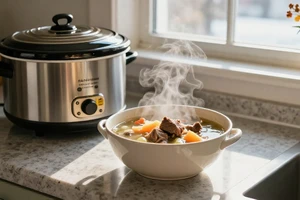
For the best results, treat your slow cooker as a tool for whole-food cooking. Use it for soups, stews, chilis, curries, and braised meats where the cooking liquid becomes part of the dish. Add fresh herbs and quick-cooking vegetables near the end. And remember—dietitians agree: a home-cooked meal from a slow cooker is almost always a better choice than a processed alternative.