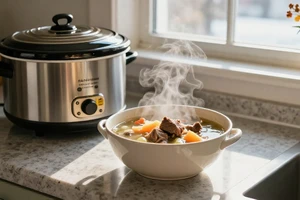

Slow cookers are a meal-prepper's best friend. You toss in ingredients in the morning, come home to a hot dinner, and have leftovers ready to portion out for the week. But there’s one surprisingly common habit that can quietly strip nutrients from your carefully prepped meal: adding all the ingredients at once without considering their cook times.
It sounds counterintuitive—after all, the whole point of a slow cooker is to set it and forget it. However, sensitive vegetables, herbs, and certain proteins can lose vitamins, texture, and even flavor when they spend too long simmering. The good news is that this is an easy fix once you know what to stagger and when.
Why Timing Matters in a Slow Cooker
Slow cookers work by maintaining a low, steady heat over several hours. While this is great for tenderizing tough cuts of meat and melding flavors, it can be tough on water-soluble vitamins like vitamin C and B vitamins. Heat, water, and time are the three factors that deplete these nutrients. The longer an ingredient sits in a hot, moist environment, the more those vitamins leach out into the cooking liquid.
That doesn't mean you have to abandon your slow cooker. It just means a small shift in how you layer and add ingredients—especially when prepping meals ahead of time. If you're batch-cooking on Sunday for the week, the same principles apply: store components separately or time your add-ins wisely.
The Most Common Nutrient-Draining Mistake
Throwing everything into the slow cooker at the start—including quick-cooking vegetables, tender herbs, and delicate greens—is the number one mistake. Spinach, broccoli, bell peppers, peas, and fresh herbs like parsley or cilantro lose a significant portion of their nutrients when cooked for four to eight hours. What you’re left with is mushy, faded food that has far less of the good stuff you were hoping for.
Similarly, adding dairy such as milk, cream, or yogurt at the beginning can cause it to curdle or separate, and it may also reduce the bioavailability of certain fat-soluble vitamins if not handled carefully.
How to Fix It Without Losing Convenience
Layering is the solution. Hearty root vegetables like potatoes, carrots, and onions can go in first—they need more time to soften and actually benefit from the long cook. Sturdier proteins like chicken thighs, beef chuck, or pork shoulder also handle the full cook time well.
But plan to add delicate ingredients later. Here's a simple timeline to keep nutrients intact:
- 8+ hours: Root vegetables, tough cuts of meat, dried beans (soaked first).
- 4–6 hours: Softer vegetables like zucchini, bell peppers, mushrooms.
- 30 minutes to end: Greens (spinach, kale, Swiss chard), peas, corn.
- Last 5 minutes: Fresh herbs, citrus juice, or zest.
If you're meal-prepping, you can still cook base ingredients early, then quickly steam or sauté the tender veggies and herbs separately. Combine them only when you're ready to eat or pack your containers. This preserves both the nutrients and the bright flavors.
Other Common Slow Cooker Missteps That Affect Quality
Beyond timing, opening the lid too often is another mistake. Each time you lift the lid, you release heat and add up to 30 minutes of cooking time. That extra time can further degrade nutrients. Trust the process—peek only when absolutely necessary.
Also, using too much liquid is common. Unlike stovetop cooking, slow cookers trap steam and create condensation. Excess liquid just gives vitamins more water to dissolve into. Stick to the amount called for; you can always add a splash of broth later if needed.
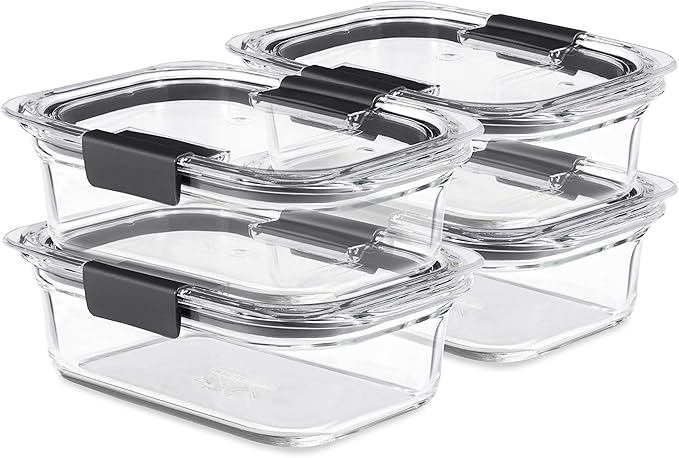
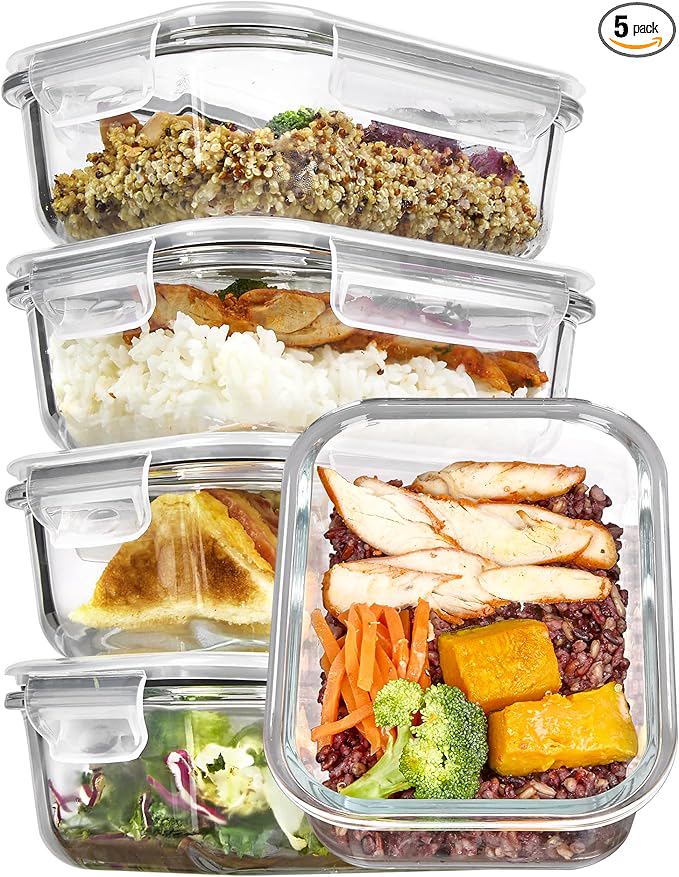
Tip: If you're cooking for meal prep, consider freezing individual portions in glass containers. Reheating gently on the stove or microwave preserves more nutrients than overcooking in a slow cooker all over again.
Does This Mean Slow Cookers Are Bad for Nutrition?
Not at all. Slow cookers are still a fantastic tool for healthy eating. They allow you to cook from scratch, control sodium, and use budget-friendly ingredients. The key is working with the appliance, not against it. A little planning around when you add certain ingredients goes a long way toward protecting the vitamins and minerals your body needs.
Think of your slow cooker as a timeline: start with the tough stuff, save the tender stuff for later. Your meals will come out more colorful, more flavorful, and more nourishing—without any extra effort.