Switching to vegetarian cooking, or simply wanting to make a favorite recipe meat-free, shouldn't feel like a chemistry exam. Often, the barrier isn't a lack of ideas, but the moment you're halfway through a recipe and realize it calls for chicken broth, fish sauce, or gelatin. The good news is that with a handful of reliable swaps, you can adapt almost any dish without a special trip to the store.
This guide focuses on practical, accessible substitutions for common non-vegetarian ingredients. Think of it as your kitchen toolkit for improvisation, built on understanding the role an ingredient plays—whether it's providing savoriness, binding, or texture—so you can replace it confidently.
Mastering the Foundation: Broths and Stocks
Animal-based broths are a cornerstone of flavor in many soups, stews, and sauces. Their primary role is to provide a deep, savory base, known as umami. Replicating this depth is key.
Vegetable broth is the most straightforward swap. For the best results, choose a low-sodium variety so you can control the seasoning, or make your own by simmering onions, carrots, celery, mushrooms, and a strip of kombu seaweed, which adds a subtle oceanic savoriness.
For a richer, "meatier" flavor, sauté a tablespoon of tomato paste or a few chopped sun-dried tomatoes with your aromatics before adding the broth.
Mushroom broth is another excellent option, especially for heartier dishes like gravies or French onion soup. The earthy, umami-rich flavor of mushrooms makes it a robust stand-in for beef broth.
The Savory Boosters: Fish Sauce and Oyster Sauce
These condiments are trickier because their unique, fermented pungency is hard to match exactly. However, you can capture their salty, savory essence.
For fish sauce, a combination of soy sauce or tamari with a splash of rice vinegar or lime juice works well. For more complexity, add a pinch of sugar and a finely minced mushroom. Some cooks also use a small amount of mashed, fermented black bean paste or a dash of vegan Worcestershire sauce.
Oyster sauce is thick, sweet, and salty. A good vegetarian alternative can be made by combining soy sauce, a bit of brown sugar or maple syrup, and a splash of water, thickened slightly with a cornstarch slurry. Look for commercially available "vegetarian oyster sauce," which is usually made from mushrooms.
Binding Agents: Eggs and Gelatin
These ingredients serve a functional purpose, and the right swap depends on the job.
For binding in burgers, meatballs, or loaves:
- Flax or chia "egg": Mix 1 tablespoon of ground flaxseed or chia seeds with 3 tablespoons of water. Let it sit for 5-10 minutes until gelatinous.
- Mashed beans or lentils: These add binding power and moisture.
- Cooked, mashed potato or oatmeal: Excellent for holding mixtures together.
For gelatin (used in desserts like panna cotta or marshmallows), you need a gelling agent. Agar-agar, derived from seaweed, is the direct vegetarian substitute. It comes in powder, flakes, or bars. Crucially, it sets at room temperature and requires boiling to activate. Follow package instructions, as its strength varies.
Texture and Protein: Ground Meat
Replacing ground meat is about replicating its crumbly texture and ability to absorb flavors. You have many options, each lending a different character.
- Lentils: Brown or green lentils hold their shape well for tacos, Bolognese, or shepherd's pie. Red lentils break down more, perfect for a sloppy Joe-style filling.
- Crumbled tofu or tempeh: Press firm tofu, then crumble and sauté until slightly crispy. Tempeh has a nuttier, firmer texture. Both absorb marinades beautifully.
- Finely chopped mushrooms: Portobello or cremini mushrooms, when chopped small and sautéed until all moisture evaporates, offer a remarkably meaty, chewy texture.
- Textured Vegetable Protein (TVP) or soy curls: These dehydrated soy products are quick to prepare—just rehydrate in hot broth or water—and have a neutral taste that soaks up any seasoning.
Don't forget to season generously. Sauté your chosen substitute with onions, garlic, and spices like smoked paprika, cumin, or fennel seeds to build layers of flavor.
Simple Dairy Swaps for Cooking and Baking
While many plant-based milks and cheeses are readily available, knowing which works best for cooking ensures success.
For milk in savory sauces or soups, unsweetened soy or oat milk are the most neutral and least likely to curdle or add sweetness. For baking, soy, oat, or almond milk generally work in a 1:1 ratio.
For heavy cream in soups or sauces, canned full-fat coconut milk is incredibly rich. For a neutral flavor, blend raw cashews soaked in water until completely smooth and creamy.
For butter in sautéing or baking, plant-based butters made from oils like coconut, avocado, or olive oil work well. In baking, for every cup of butter, you can often substitute ¾ cup of a neutral oil like avocado or light olive oil.
Putting It Into Practice: A Flexible Framework
The real art is in the approach. When you see a non-vegetarian ingredient in a recipe, pause and ask: What is this doing here? Is it for savoriness (swap in umami-rich ingredients), binding (use a structural agent like flax), texture (choose lentils or mushrooms), or richness (add coconut milk or nuts)?
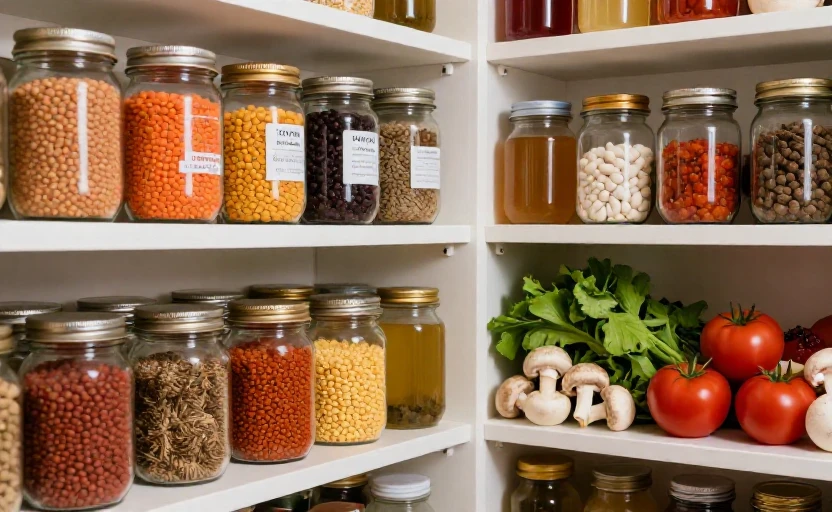
Start with a direct, simple substitution—like vegetable broth for chicken broth. As you get comfortable, experiment with combinations, like using lentils and walnuts together for a taco filling. Your pantry, not a prescription, is your guide. Keep a stock of versatile items like lentils, canned beans, soy sauce, nuts, and a few different spices. With these on hand, you can transform almost any recipe with confidence and creativity.