If the thought of a sink full of dishes is the main thing keeping you from cooking at home, you’re not alone. The beauty of one-pan cooking is that it answers that exact problem. It’s a straightforward approach that simplifies the entire process, from prep to cleanup, making healthy, home-cooked meals feel far more accessible. This guide will walk you through the core techniques and mindset shifts that make one-pan cooking a reliable skill for any beginner.
At its heart, one-pan cooking is about layering flavors and cooking times in a single vessel. It requires a bit of forethought but rewards you with minimal fuss and maximum flavor. Whether you're using a sheet pan, a large skillet, or a Dutch oven, the principles remain wonderfully consistent.
Choosing Your Pan and Heat Source
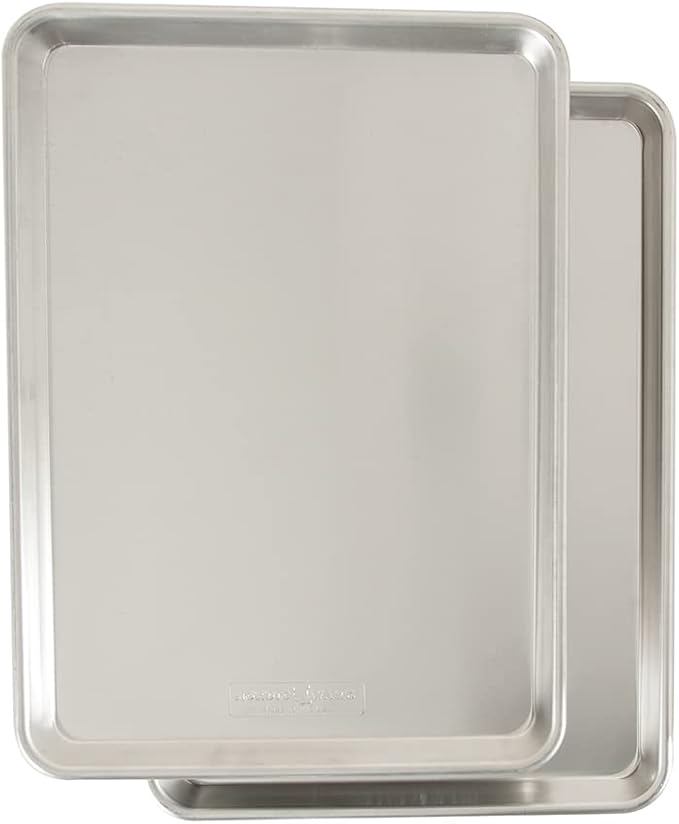
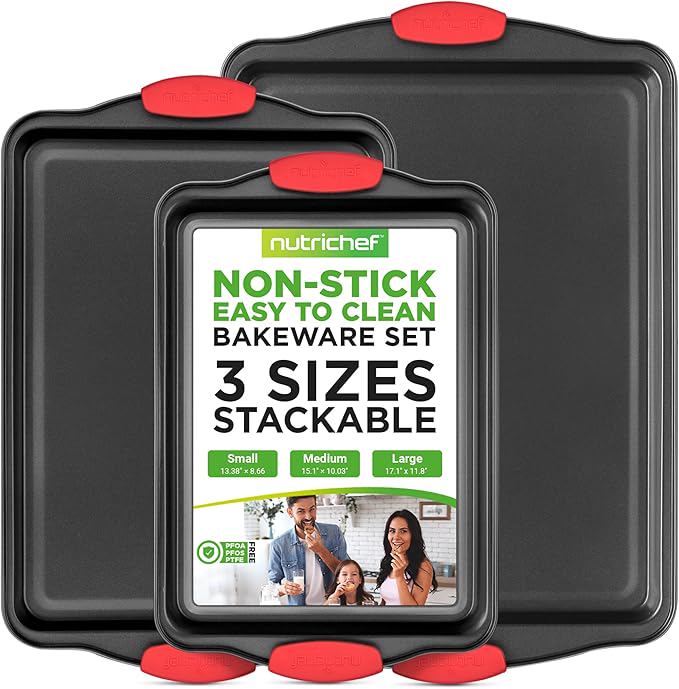
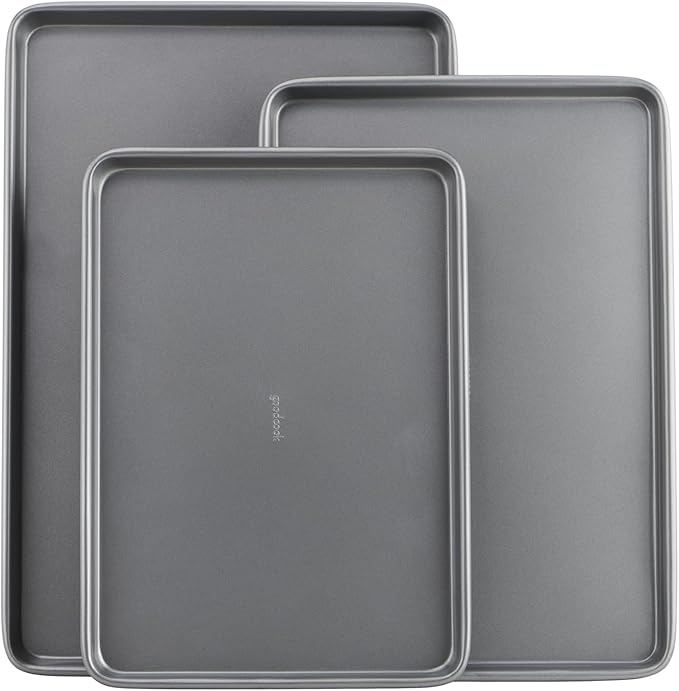
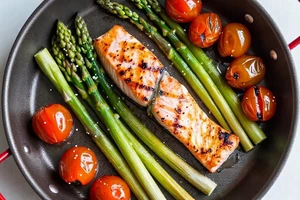
The right pan is your foundation. For oven-based meals, a rimmed sheet pan (often called a half-sheet pan) is indispensable. Its edges contain juices and prevent spills. A large, oven-safe skillet or a Dutch oven offers more versatility, transitioning easily from stovetop to oven. This is key for techniques where you start by searing a protein on the burner to develop a flavorful crust, then transfer the whole pan to the oven to finish cooking gently and evenly.
Your pan is your partner. A good, heavy-bottomed skillet or a sturdy sheet pan distributes heat evenly, preventing hot spots that can burn one part of your meal while another remains undercooked.
The Essential One-Pan Techniques
Mastering a few basic methods will unlock countless recipes. These techniques are about building a process, not just following a single instruction list.
The Sheet Pan Roast
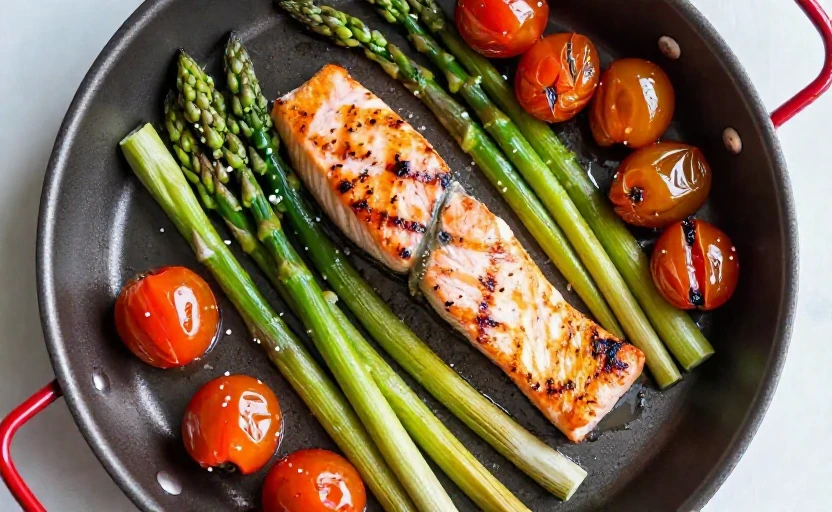
This is perhaps the easiest entry point. The goal is to cut ingredients into uniform sizes so they cook at the same rate. Dense vegetables like potatoes and carrots go in first, as they take the longest. Softer vegetables like zucchini or bell peppers are added later. Proteins like chicken thighs or fish fillets are often added partway through, depending on their cook time. Toss everything with a little oil, salt, and herbs, and let the oven's dry, surrounding heat do the work, caramelizing edges and concentrating flavors.
The Skillet Sauté-to-Simmer
This technique starts on the stovetop. You might quickly brown chicken pieces or sausage to render fat and create fond—those delicious browned bits stuck to the pan. Remove the protein, then sauté aromatics like onions and garlic in the same fat. Deglaze the pan with a splash of broth, wine, or water, scraping up the fond. Return the protein to the pan, add any longer-cooking vegetables and liquid, then cover and let everything simmer together until tender. It’s how you create a cohesive, saucy dish all in one place.
The Dutch Oven Braise
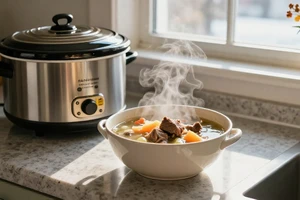
Perfect for tougher, inexpensive cuts of meat and hearty legumes, braising uses moist, low heat over a long period. After searing your meat in the Dutch oven, you add just enough liquid (broth, tomatoes, wine) to come partway up the ingredients. The covered pot then goes into a low oven, where the gentle, steady heat breaks down connective tissue, resulting in incredibly tender food and a rich, built-in sauce.
Planning Your One-Pan Meal
Success lies in the planning. Think of your pan as a timeline. Ask yourself three questions:
- What takes the longest to cook? Root vegetables and dense squash need a head start.
- What cooks quickly? Delicate fish, leafy greens, and pre-cooked beans should be added in the final minutes.
- How do flavors meld? Season in layers. Salt your protein before searing, season your vegetables before roasting, and taste the final dish for adjustment before serving.
Common Pitfalls and How to Avoid Them
Even simple methods have their tricks. The most common mistake is overcrowding the pan. When ingredients are packed too tightly, they steam instead of roast or brown, leading to soggy vegetables and pale meat. Give everything a little space. Another tip is to pat your protein dry with a paper towel before adding it to the pan; moisture is the enemy of a good sear. Finally, remember that residual heat continues to cook food even after you take it off the burner or out of the oven, so it’s often wise to pull things out just a touch before they seem perfectly done.
One-pan cooking is less about rigid recipes and more about embracing a flexible, efficient approach to getting dinner on the table. It encourages you to work with what you have, reduces cleanup stress, and often results in meals where the flavors have deeply mingled in a way that feels satisfyingly whole. Start with a simple sheet pan of roasted vegetables and sausage, and you’ll quickly see how this method can become a staple in your kitchen routine.