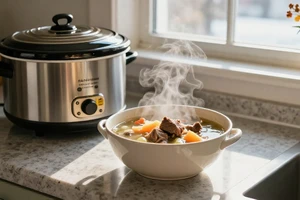
Slow cookers are a convenience king in the modern kitchen. You toss in ingredients, set the timer, and come back hours later to a tender, aromatic meal. But for anyone who cooks with health in mind, there’s a quiet worry: does all that gentle, prolonged heat—plus the inevitable waiting time—actually drain nutrients from your carefully chosen vegetables, proteins, and spices?
The short answer is that a slow cooker can be a very nutrient-preserving tool, especially compared to boiling or high-heat roasting, but the way you prep matters immensely. These five meal-prep strategies will help you lock in more vitamins, minerals, and flavor in every batch.
1. Prep Vegetables in Stages—Don’t Toss Everything In at Once
The biggest nutrient loss in a slow cooker happens from extended heat exposure, especially for delicate water-soluble vitamins like vitamin C and many B vitamins. Hardy root vegetables—carrots, potatoes, turnips, and beets—can handle hours of cooking with minimal losses. But leafy greens, bell peppers, peas, and zucchini are a different story.
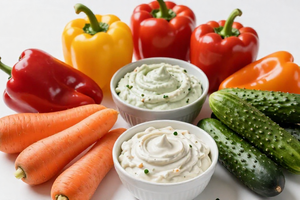
For your weekly meal prep, chop and store slow-cooker-friendly vegetables (onions, carrots, celery) in the fridge, ready to go. Keep quick-cooking vegetables (spinach, kale, snap peas, bell pepper strips) separate. Add those tender ingredients only during the last 20–30 minutes of cooking. A simple timer switch or a quick reminder on your phone is all it takes. This one change alone can preserve significantly higher levels of vitamin C and folate.
2. Batch and Freeze Your Base Aromatics and Spice Pastes
Fresh herbs, garlic, ginger, and whole spices contain antioxidants and volatile oils that can degrade over long, moist heat if added too early. The trick is to give them a head start by prepping concentrated flavor pastes that get added later in the cook cycle.
Set aside 30 minutes on prep day to make a few small containers of garlic-ginger paste, a lemongrass-chili blend, or a cumin-coriander-fennel seed mix. Freeze these in ice cube trays. When you build a slow cooker meal, start with your broth and hardy vegetables. Let them cook for 3–4 hours, then drop in a frozen aromatic cube for the final 30–60 minutes. The aromatics will bloom fully without their delicate compounds breaking down to nothing.
3. Use a Minimal-Contact Marinade for Lean Proteins
Meat and poultry lose moisture and some B vitamins when submerged in liquid for hours. A common meal-prep mistake is to load the slow cooker with cut meat and a thin broth right from the start. Instead, do a brief, targeted marinade the night before or morning of cooking.
Coat your chicken thighs, cubed beef, or pork shoulder with a small amount of olive oil, citrus juice or vinegar, and seasonings. Let it rest for 15–30 minutes (or overnight in the fridge). When it’s time to cook, pat the meat dry and add it to the slow cooker with just enough liquid to barely cover the bottom—about ¼ cup. This technique reduces the leaching water-soluble nutrients into the cooking liquid. If you prefer to drink or use that liquid as a sauce, you’re still getting the nutrients. But if you discard the broth, you lose them. Keeping the liquid minimal preserves more B vitamins in the meat itself.
Chef’s trick: For soups and stews, reserve the cooking liquid and blend a portion of the cooked vegetables back into the broth. That way, any water-soluble nutrients that did leach out end up back on your plate.
4. Cook Legumes and Whole Grains Separately—Then Assemble
Beans, lentils, farro, and barley are slow-cooker staples, but many contain phytic acid and enzyme inhibitors that can reduce mineral absorption (iron, zinc, calcium). Soaking and thorough cooking reduces these compounds, but cooking them directly in the slow cooker for 8 hours with other ingredients can over-extract minerals into the water and create a mushy texture.
The better meal-prep approach: cook your legumes or grains in a separate pot (or in the slow cooker with a dedicated inner container) for the proper amount of time—generally 45 minutes to 2 hours, depending on the type. Meanwhile, your main stew or curry base can simmer on low. Once the beans or grains are tender, drain any excess liquid (which contains some antinutrients) and fold them into the main dish for the final 15 minutes of warming. This method preserves more bioavailable iron and magnesium.
5. Finish with Fresh, Raw Elements Just Before Serving
Your slow cooker meal might be fully cooked and piping hot, but that doesn’t mean it has to be a one-note dish. A final addition of raw or lightly wilted ingredients adds a burst of nutrients—especially vitamin C, folate, and digestive enzymes—that the long cooking cycle would have destroyed.
Meal-prep this step by keeping small Zip-top bags of ready-to-use fresh herbs (cilantro, parsley, basil), thinly sliced scallions, shredded cabbage, or a squeeze of lemon or lime in the fridge. When you reheat a portion of your slow-cooker meal, stir in a handful of these raw elements just before eating. The heat from the dish will slightly soften them without cooking them to death. You’ll get a brighter flavor, more crunch, and a measurable boost in vitamin content—especially vitamin C, which is almost entirely lost after 4–6 hours of cooking.
These five strategies require a small shift in routine, not a huge time commitment. A little extra planning on prep day pays off in meals that are both deeply comforting and genuinely higher in the nutrients you cooked them for. Your slow cooker is still your ally—you just need to work with its rhythm, not against it.