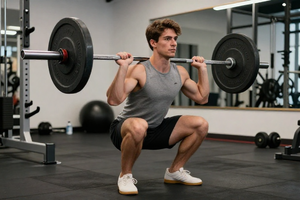

You've just finished a punishing set of heavy deadlifts or a deep squat session. The barbell is back on the rack, your muscles are trembling, and a familiar ache is settling in. That feeling is a sign of progress—micro-tears in your muscle fibers that, when repaired, make you stronger. But that repair doesn't happen by magic. It requires the right fuel, applied at the right time.
Let's set aside the protein shake marketing and the influencer bro-science. What do actual registered dietitians recommend for eating in the hours after heavy lifting? The answer is more nuanced and perhaps more satisfying than a simple scoop of powder.
Why Post-Lift Nutrition Is Non-Negotiable
Heavy lifting creates mechanical stress and micro-damage to muscle tissue. Your body responds by initiating a repair process that relies heavily on two key players: protein to rebuild the damaged fibers, and carbohydrates to replenish the glycogen stores you just emptied. Without sufficient intake of both, you risk prolonged soreness, stalled progress, and even a depressed immune system. A dietitian's job is to help you optimize this window without overcomplicating your life.
The Protein Baselines Dietitians Actually Use
Most active people can get sufficient protein from whole foods. Dietitians generally recommend consuming about 20 to 40 grams of high-quality protein within two hours after a heavy lifting session. This is not a precise prescription for everyone—individual needs depend on your total body weight, the intensity of your workout, and your overall daily intake.
The type of protein matters. Look for sources that are rich in leucine, the amino acid that acts as a primary trigger for muscle protein synthesis.
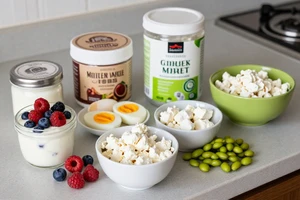
Lean meats, poultry, fish, eggs, dairy, and soy products are all excellent, complete sources. Plant-based athletes can combine foods like brown rice and lentils, or opt for a soy or pea protein isolate.
Do Not Skip the Carbs
This is where many lifters get it wrong. They focus exclusively on protein and neglect carbohydrates, which are equally critical for effective repair. Resistance training depletes your muscles' glycogen stores. Consuming carbohydrates post-lift helps restore that energy reserve and triggers an insulin response, which in turn helps shuttle amino acids into muscle tissue.
Dietitians suggest pairing carbohydrates with your post-workout protein in roughly a 2:1 or 3:1 ratio of carbs to protein. This does not mean a stack of pancakes. It means a meal like a turkey sandwich on whole-grain bread, a bowl of Greek yogurt with berries, or a stir-fry with lean beef and brown rice. The goal is to replenish and repair simultaneously.
Rethinking Meal Timing and Frequency
The old idea of a 30-minute “anabolic window” has been softened by research. While eating soon after a workout is beneficial, the most critical factor is your total protein and calorie intake over the entire day. If you ate a balanced meal two hours before lifting, the urgency is lower. If you trained fasted, you'll want to eat sooner.
Dietitians often advise spreading protein intake evenly across three or four meals rather than loading up on one giant dinner. A steady supply of amino acids throughout the day supports ongoing repair and reduces muscle breakdown.
Hydration Is Part of the Equation
Muscle tissue is about 75% water, and heavy lifting causes significant fluid loss through sweat. Even mild dehydration can impair strength recovery and increase perception of soreness. Dietitians recommend rehydrating with water and electrolytes, not just chugging a sports drink. Coconut water, a pinch of salt in your water, or eating water-rich foods like watermelon or cucumber can help. Check your urine color; pale yellow signals good hydration.
Real-World Meals That Hit the Mark
You do not need a pantry full of supplements. Here are simple, whole-food combinations that deliver the protein, carbs, and nutrients your muscles need:
- Grilled chicken with sweet potato and steamed broccoli — classic, balanced, and easy to prep in bulk.
- Smoothie with Greek yogurt, banana, spinach, and a scoop of oats — quick to digest and rich in leucine and potassium.
- Cottage cheese with pineapple and a handful of almonds — a high-casein option that provides slow-release protein, ideal for evening workouts.
- Salmon with quinoa and roasted asparagus — packs omega-3s (which help reduce inflammation) alongside complete protein.
- Chickpea and lentil curry with brown rice — a robust plant-based option that covers all amino acid needs when paired together.
A Note on Supplements
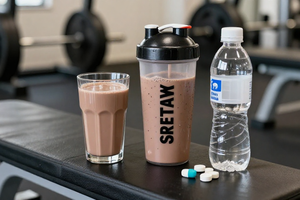
Most dietitians treat supplements as just that—supplementary to a diet built on whole foods. Whey protein is convenient and effective, but it is not superior to chicken breast or eggs. Creatine monohydrate has solid evidence for supporting strength and recovery, but it works in the background over weeks, not as an immediate post-lift fix. Always talk to a healthcare provider before starting any new supplement regimen, and never rely on a powder to fix a diet that is fundamentally inadequate in calories or nutrients.
The Bottom Line on Healing Through Eating
Eating for muscle repair after heavy lifts is not about perfection or expensive powders. It is about consistency—hitting your protein targets, refueling with quality carbohydrates, staying hydrated, and allowing your body time to rest. Dietitians want you to think of your post-workout meal as an integral part of your training session itself. You put the work in. Now give your body the tools to build from it.