When you're focused on getting stronger, it’s easy to overlook the parts of your body that do the most work. Your hands and forearms are the final link in the chain during a deadlift, a pull-up, or carrying heavy grocery bags. If your grip gives out before your target muscle does, that’s not a failure of willpower—it’s often a signal that your nutrition needs a closer look.
I’ve talked with several registered dietitians who work with strength athletes and active adults. Their consistent message is clear: specific nutrients can support the connective tissue, nerve function, and muscle recovery in your hands and forearms just as they do for your larger muscle groups. Here’s what they want you to know about eating for better grip strength and faster recovery.
The collogen and connective tissue connection
Your grip relies heavily on tendons and ligaments—the tough, fibrous tissues that anchor muscle to bone and bone to bone. Unlike muscle tissue, these structures have a relatively low blood supply, which means they heal and adapt more slowly. Dietitian Katherine Zeratsky, RDN, points out that collagen-rich foods can be particularly helpful here because glycine, proline, and hydroxyproline are the amino acid building blocks of these tissues.
Bone broth is the most commonly cited source, but it’s not the only one. Chicken skin, fish skin, and pork shoulder contain significant collagen. You can also support your body’s own collagen production by eating plenty of vitamin C—think bell peppers, citrus, kiwifruit, and broccoli—alongside protein-rich meals. The vitamin C acts as a cofactor for collagen synthesis, so pairing a handful of berries with your post-workout chicken is a smart move.
Magnesium: the relaxation mineral for cramping forearms
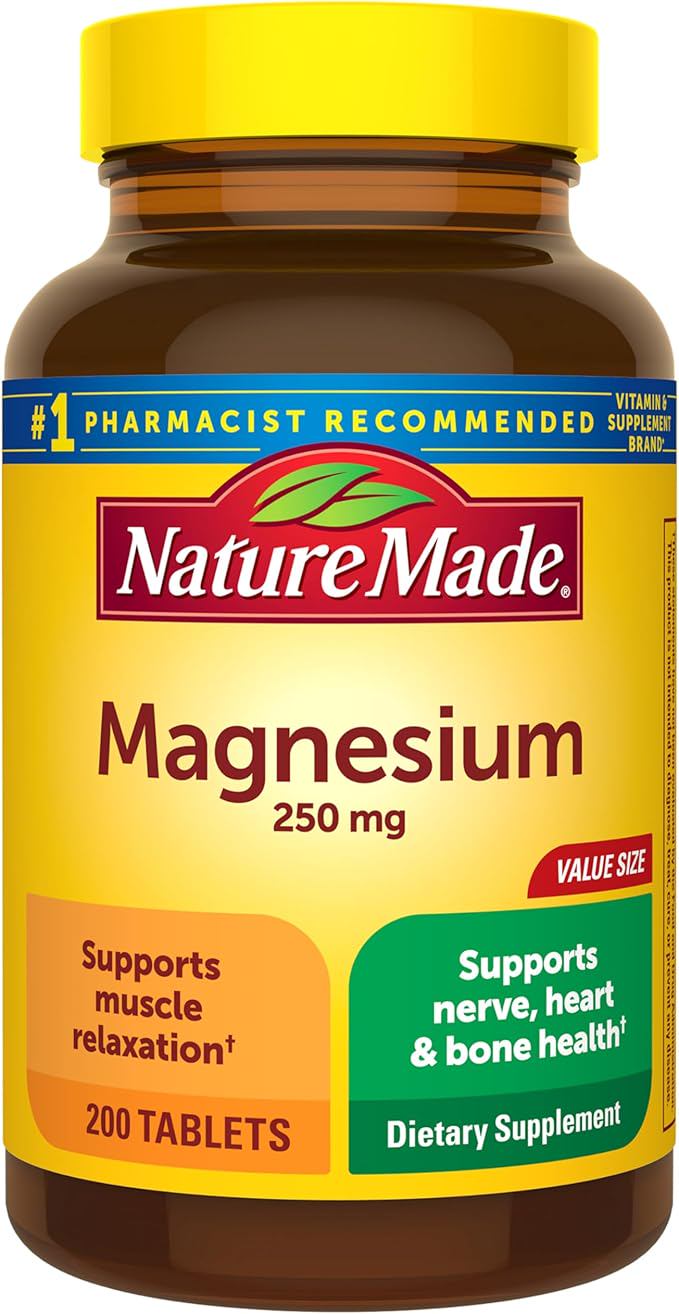
If your forearms cramp during heavy pulling or gripping movements, low magnesium could be a factor. Magnesium plays a direct role in muscle relaxation by helping to regulate calcium flow within muscle cells. When magnesium is low, muscles can stay partially contracted, which feels like a persistent nagging tension or sudden cramp.
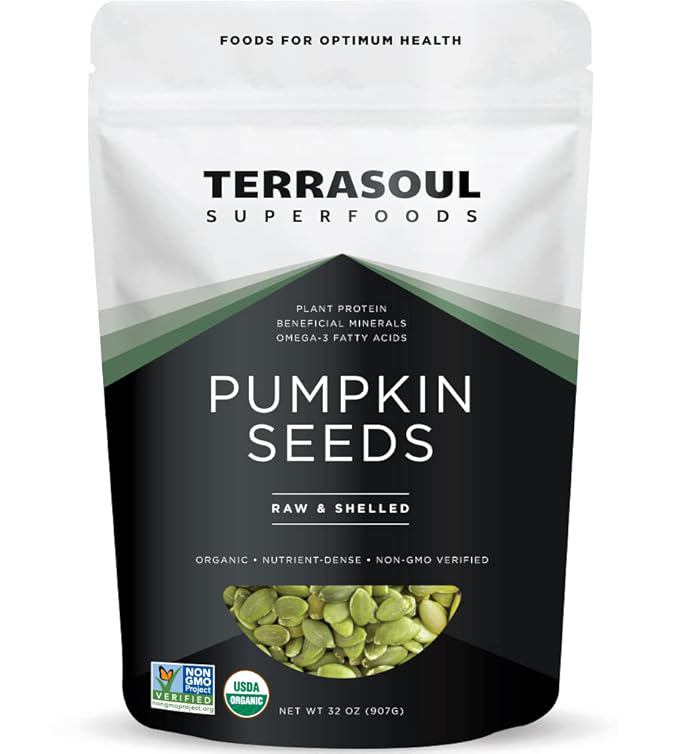
Dietitian Emily Borsal, RDN, suggests that active people often need more magnesium than the standard RDA. Good food sources include pumpkin seeds (a quarter-cup gives you nearly 50 percent of the daily recommendation), almonds, cashews, black beans, edamame, and dark leafy greens like spinach. If you’re sweating heavily during training, you’re also losing electrolytes—magnesium included. Eating magnesium-rich foods throughout the day, especially around workouts, can keep those forearm muscles limber.
Omega-3 fatty acids for grip-related inflammation
Your hands and wrists take a beating during strength training. Even with perfect form, that much pulling, pushing, and holding creates micro-inflammation in the tendons and sheaths of the forearm. Omega-3 fatty acids (EPA and DHA) are well-researched for their anti-inflammatory effects, and they seem to work especially well on soft tissue inflammation that isn’t related to an acute injury.
“The best evidence for omega-3s in grip health is for people who experience general achiness in the wrists and forearms after training,” says dietitian Ryan Andrews, RD. “It’s not a painkiller, but regular intake can lower the inflammatory baseline so recovery feels smoother.”
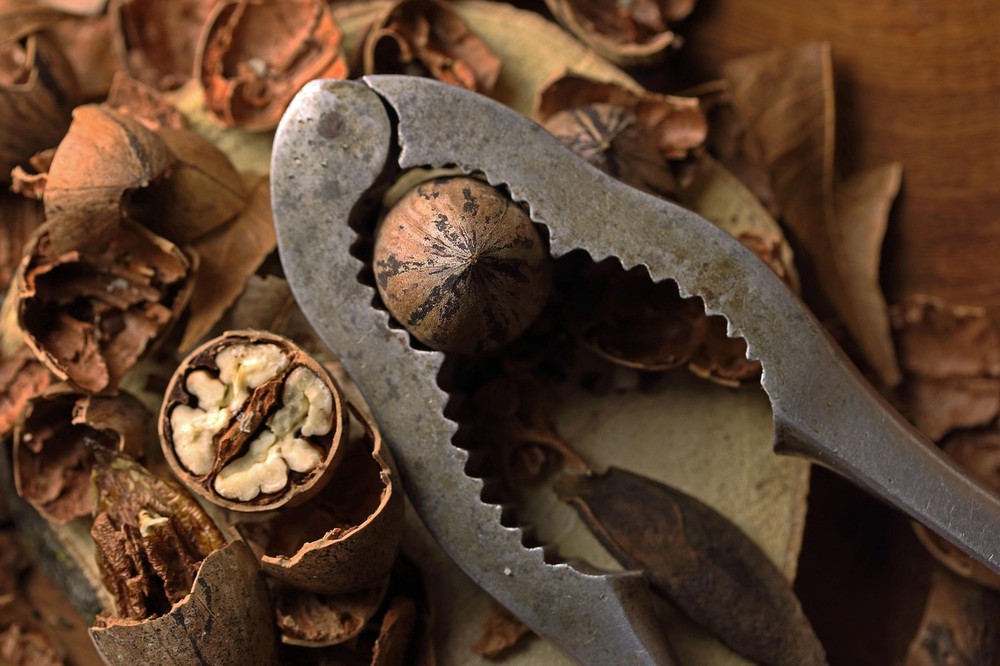
Fatty fish like salmon, mackerel, sardines, and trout are the most concentrated sources. For those who don’t eat fish often, chia seeds, ground flaxseeds, and walnuts provide ALA, which the body can partially convert to EPA and DHA. A dietitian-recommended pattern is to eat fatty fish twice per week, or to include a tablespoon of ground flaxseed or chia seeds in your breakfast or smoothie daily.
Protein timing and the forearm recovery window
All muscle tissue requires protein for repair, and the small stabilizing muscles of the hand and forearm are no exception. But because these are smaller muscles with different fiber-type distributions (more type I fibers that rely on oxidative metabolism), they respond to a slightly different recovery strategy than your quads or glutes.
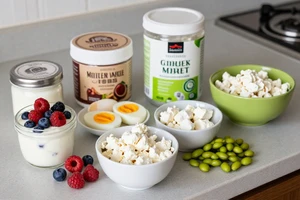
Dietitians generally advise a steady protein distribution across the day rather than one giant protein bomb after training. Aim for 20–30 grams of protein at each meal from sources like lean meat, eggs, Greek yogurt, cottage cheese, or a plant-based option like tofu or lentils. The rationale is that the hands and forearms are used constantly—typing, opening jars, gripping dumbbells—so they benefit from a consistent amino acid pool rather than a single spike. Research also suggests that the amino acid leucine, found abundantly in animal proteins and soy, is particularly effective at triggering muscle protein synthesis, even in smaller muscles.
Hydration's hidden role in grip endurance
It’s easy to think of hydration only in terms of preventing heat illness, but even mild dehydration measurably reduces grip strength endurance. A study in the Journal of Strength and Conditioning Research found that losing just 1.5 to 2 percent of body weight in sweat during exercise led to a significant drop in handgrip endurance time.
The mechanism is partly neurological: your brain dials back nerve signals to working muscles when fluid volume drops, and partly mechanical: the tendons themselves become less pliable when dehydrated. Dietitians recommend sipping water consistently through the day, not just during training, and paying attention to urine color as a simple gauge. If the salt ring on your clothing or sweat towel is significant, or if you’re training in high heat, consider an electrolyte drink containing sodium, potassium, and magnesium.
Putting it together without overcomplicating
You don’t need a dozen supplements or a completely new shopping list. The core strategy is simple: eat a variety of whole foods that support the specific tissues involved in grip and forearm work. Start with a salmon or chicken salad that includes bell peppers and pumpkin seeds for a triple hit of collagen support, magnesium, and omega-3s. Add a handful of walnuts to your oatmeal or yogurt. Keep your water bottle nearby during the day, and include tart cherry juice or berries post-workout for their antioxidant effects on recovery.
The takeaway from every dietitian I spoke with is that these small nutritional adjustments won’t replace dedicated grip training or proper rest, but they will remove a common hidden barrier. When your nutrition supports your connective tissue, muscle relaxation, and inflammation management, your grip will feel more resilient—and your recovery will feel faster.