
Whether you're a dedicated endurance athlete or someone simply trying to recover from a tough week of workouts, the question of protein comes up constantly. How much is enough? When should you eat it? And does it even matter if you aren't trying to get bulky? Dietitians have a surprisingly clear answer: yes, it matters—but not in the way most fitness influencers make it sound.
At its heart, the science of muscle repair doesn't require complicated powders or expensive supplements. It requires consistency, timing, and an understanding that your body treats food as fuel for rebuilding. Here is a straightforward look at what registered dietitians actually tell their clients about protein intake for muscle repair, stripped of the hype.
Why Protein Is Non-Negotiable for Repair
Think of muscle tissue as a dynamic structure. When you exercise, especially with resistance or high-intensity movements, you create microscopic tears in your muscle fibers. This is a normal and necessary part of getting stronger. Protein provides the amino acids your body uses to repair these tears and build the tissue back slightly stronger than before—a process called muscle protein synthesis.
Without adequate protein, your body struggles to complete this repair efficiently. You might feel more sore for longer, experience slower strength gains, or even start to lose lean mass over time. “It’s not just about building trophy muscles,” says one sports dietitian. “It’s about maintaining the engine that lets you move, lift, and recover day after day.”
How Much Protein Do You Actually Need?
This is where most people get confused. The general dietary recommendation for a sedentary adult is around 0.8 grams of protein per kilogram of body weight (roughly 0.36 grams per pound). For someone actively working on muscle repair—meaning they exercise moderately to intensely most days—dietitians typically recommend doubling or tripling that number.
A more practical target is between 1.2 and 2.0 grams per kilogram of body weight daily. That translates to roughly 0.55 to 0.9 grams per pound. For a 150-pound person, that means about 82 to 135 grams of protein per day, spread across meals. “The upper end is for serious athletes or people in heavy training,” explains another dietitian. “Casual gym-goers usually fall comfortably in the middle range.”
A simple rule of thumb: Aim for 20 to 40 grams of protein at each main meal, and include a protein source in your post-workout snack.
Timing Matters Less Than Total Intake
A very common myth is that you have a narrow “anabolic window” of 30 to 60 minutes after a workout to eat protein, or else you lose all your gains. Modern research paints a much more forgiving picture. While there is a benefit to eating protein within a few hours after training, the bigger factor is simply your total daily intake.
Dietitians emphasize distributing protein evenly across three to four meals rather than loading up at dinner after skipping it all day. “Your body uses a steady stream of amino acids more efficiently than one big dump,” says a clinical dietitian. “Think of it like filling a gas tank—you don’t let it run to empty and then flood it.” This approach keeps muscle protein synthesis active throughout the day rather than spiking it just once.
Whole Foods vs. Protein Powders
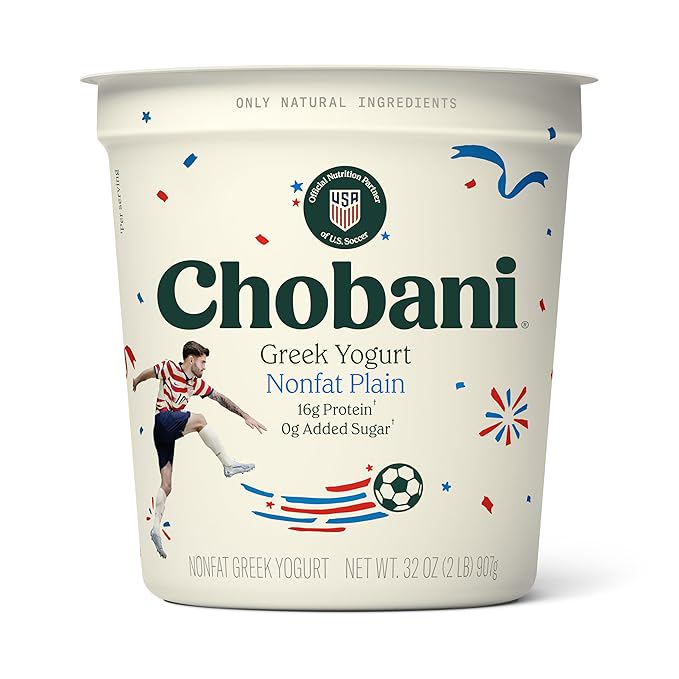
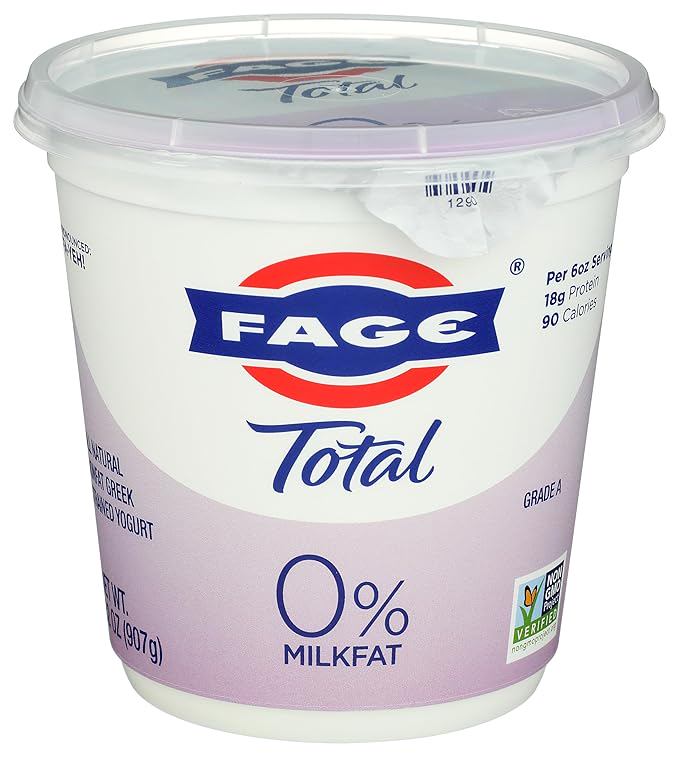
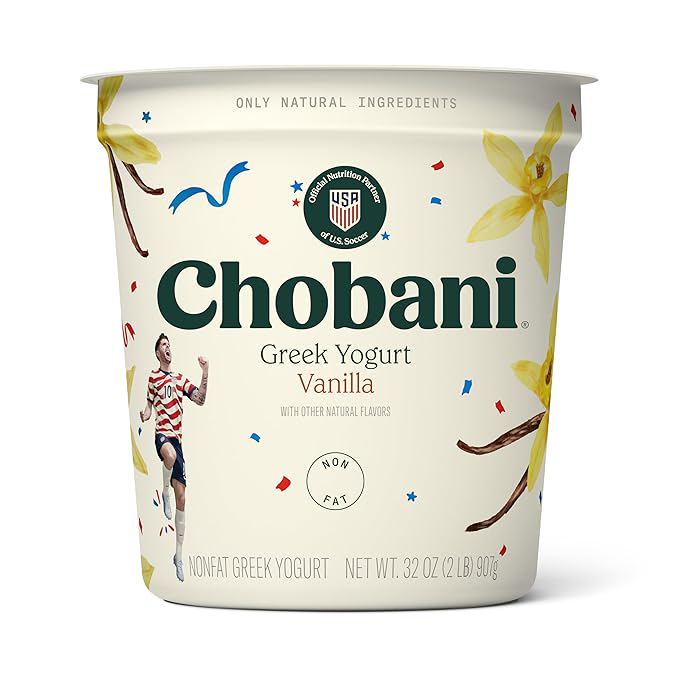
There is nothing wrong with protein shakes, but dietitians almost always recommend that whole food sources come first. Chicken, fish, eggs, Greek yogurt, cottage cheese, lentils, beans, tofu, and edamame all provide high-quality protein along with vitamins, minerals, and fiber that isolated powders lack.
Supplements are useful for convenience—particularly right after a workout when you may not have appetite for a full meal, or for people with higher protein needs who struggle to eat enough. But a scoop of powder cannot replace the nutritional complexity of a balanced plate. “A shake is a tool, not a staple,” one dietitian notes. “Eat your protein first, then supplement if you need to fill a gap.”
Examples of Easy Protein Meals for Repair
- Breakfast: Two eggs + a cup of Greek yogurt + a slice of whole-grain toast (roughly 30 grams protein)
- Lunch: A large salad with 4 ounces of grilled chicken, chickpeas, and quinoa (roughly 35 grams protein)
- Snack: A handful of almonds with a string cheese (roughly 12 grams protein)
- Dinner: 5 ounces of salmon with roasted lentils and broccoli (roughly 40 grams protein)
The Role of Protein in Overtraining and Injury Recovery
When you push your body harder than usual—think marathon training, a new lifting program, or coming back from an injury—the demand for protein increases even more. The body requires additional amino acids not only to repair microtears but also to support the immune system and fight inflammation.
In cases of injury or prolonged overtraining, dietitians often recommend steering toward the upper end of the protein range, around 2.0 grams per kilogram of body weight. They also stress the importance of pairing protein with carbohydrates. Carbs help shuttle amino acids into muscles and replenish glycogen stores that energy-sapping workouts deplete. “Don’t be afraid of the potato on the same plate as the steak,” one dietitian says with a laugh. “Your muscles need both.”
Common Mistakes to Avoid
A few pitfalls show up again and again in dietitian appointments. The biggest one is underestimating portion sizes. Most people think they eat more protein than they actually do. A serving of chicken the size of a deck of cards is roughly 20 to 25 grams, not the 40 grams many assume.
Another mistake is relying too heavily on high-fat protein sources at the expense of lean ones. While bacon and fatty cuts of beef have protein, the high saturated fat content can hinder recovery if eaten in excess. “Variety is the secret,” notes a dietitian. “Mix animal and plant sources for a full amino acid profile.”
Finally, many people forget that muscle repair doesn’t happen during the workout or while you are chewing your post-exercise meal. It happens while you sleep. Recovery is a 24-hour cycle that involves rest, hydration, and adequate protein intake spread throughout the day. A solid dinner with protein helps, but so does a quality night of sleep.
The Bottom Line
Eating enough protein for muscle repair doesn’t require a PhD in nutrition. It requires paying attention to your body’s needs, eating protein consistently across meals, and prioritizing whole foods over supplements. If you are active, aim for roughly 0.7 to 0.9 grams per pound of body weight each day, and don’t obsess over exact timing. Your muscles will do the rest.