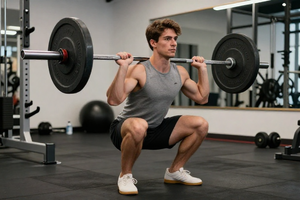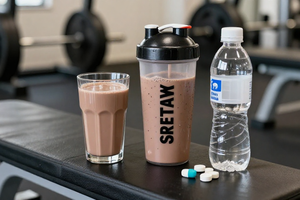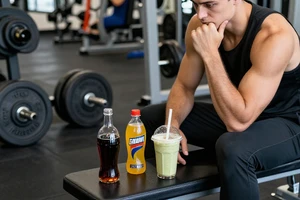

The question of what to eat before a bodyweight strength session doesn't come with a one-size-fits-all answer. Unlike lifting a barbell, where you might need a heavier fuel load, bodyweight movements—think push-ups, pull-ups, squats, and planks—rely more on agility, endurance, and body control. Dietitians focus on meals that sit light, digest quickly, and provide steady energy without causing a slump.
Getting the timing and composition right can mean the difference between a powerful set of pull-ups and a session where you feel sluggish halfway through. Here is what registered dietitians typically recommend for fueling your body before a bodyweight strength workout.
Why bodyweight training changes your fuel needs
Bodyweight exercises often involve high-repetition sets, shorter rest periods, and a significant demand on the core and stabilizer muscles. This means your body pulls energy from both stored carbohydrates (glycogen) and, to a lesser extent, circulating blood sugar. Eating a large, heavy meal before a dynamic workout can leave you feeling bloated or crampy, which is why dietitians advise a lighter approach compared to pre-heavy-lifting meals.
Another factor is that bodyweight training—especially circuits or high-intensity sessions—can increase gastrointestinal distress if you have undigested food sitting in your stomach. The goal is to top off your energy stores without overwhelming your digestive system.
What a dietitian looks for in a pre-workout meal
When advising clients, dietitians often consider three main components: carbohydrate type, protein amount, and fat content.
Choose easily digestible carbohydrates
Carbohydrates are your primary fuel source for strength work. For bodyweight training, dietitians recommend simple-to-digest carbs that won't cause a blood sugar spike and crash. A banana, a slice of whole-grain toast with a thin spread of nut butter, or a small bowl of oatmeal made with water or milk are common examples. These provide glucose that your muscles can use almost immediately.
Include a modest amount of protein
While your body doesn't use protein as a primary energy source during a workout, having a small amount before exercise can help reduce muscle breakdown and support recovery. Dietitians suggest around 10 to 15 grams of protein if you eat two to three hours beforehand. This could be a half-cup of Greek yogurt, a hard-boiled egg, or a small smoothie with a scoop of protein powder. Too much protein can be hard to digest, so moderation is key.
Keep fat and fiber low
Fats and high-fiber foods slow down digestion. While they're great for overall health, dietitians typically advise eating them after your workout rather than right before. Foods like avocado, nuts, seeds, and high-fiber vegetables are best reserved for post-session meals to avoid feeling heavy or gassy during exercise.
A simple rule of thumb: If you can eat a meal two to three hours before your workout, include a small source of protein and a moderate amount of carbs. If you're eating closer to 30–60 minutes before, stick with mostly carbs and even less protein.
Sample pre-workout options by timing
Dietitians commonly divide recommendations by how much time you have before your session.
- 2–3 hours before: A bowl of oatmeal with sliced banana and a small handful of almonds, or two scrambled eggs with a slice of whole-grain toast and a piece of fruit.
- 1 hour before: A small smoothie made with half a banana, a cup of berries, and a cup of milk or plant-based alternative. Alternatively, half a turkey or chicken sandwich on whole-grain bread.
- 30 minutes or less before: A piece of fruit like an apple or a banana, a small fruit pouch, or a handful of dried apricots. No heavy protein or fat.
Hydration matters, too
Dehydration can impair strength and endurance, especially with bodyweight exercises that involve a lot of movement. Dietitians recommend drinking water consistently throughout the day and having 8–16 ounces of water about 30–60 minutes before your workout. For sessions under an hour, plain water is sufficient; you generally don't need sports drinks for a typical bodyweight strength session.
Individual differences you should consider
What works perfectly for one person might not work for you. Some people tolerate dairy right before exercise, while others don't. Some feel best with a small meal two hours out, while others need a tiny snack just 15 minutes before. Dietitians often recommend experimenting during less critical workouts to see what settles well and gives you the most energy.
If you have a medical condition like diabetes, or if you are prone to hypoglycemia, your pre-workout nutrition strategy may need to be more structured. In these cases, consulting a registered dietitian who can tailor advice to your specific needs is always wise.
Ultimately, the best pre-bodyweight workout meal is one that leaves you feeling energized, not weighted down, and ready to move through your reps with control.