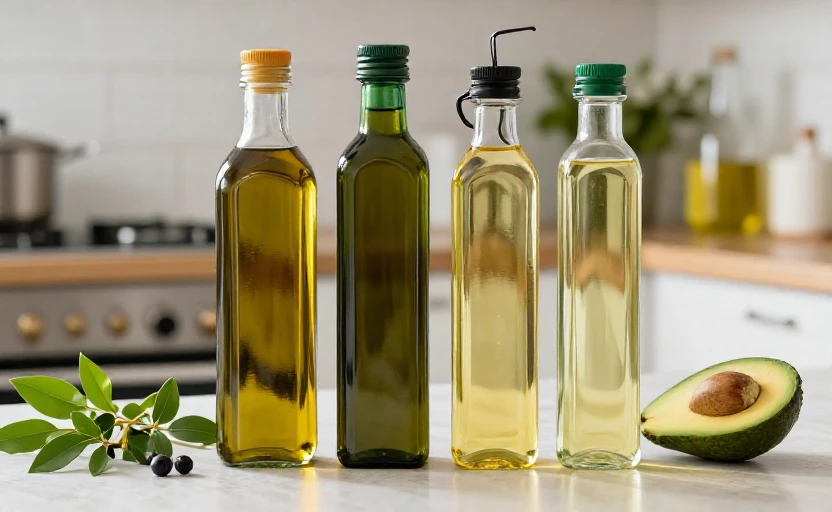
Walk down the cooking oil aisle and the options can feel overwhelming. From the familiar golden bottle of olive oil to the clear, neutral canola, each promises something different for your health and your food. With so many competing claims, how do you make a choice that supports your well-being without overcomplicating your cooking? We asked dietitians to cut through the noise and share the principles they use to select the right oil for the right job.
Their guidance isn't about declaring one oil the universal winner. Instead, it's about understanding a few key characteristics—like smoke point, fat composition, and flavor—so you can build a small, versatile pantry that serves your health goals and your recipes.
Understanding Smoke Point: The Heat Factor
One of the first things a dietitian will mention is smoke point. This is the temperature at which an oil starts to smoke and break down. When oil smokes, it not only creates harmful compounds and free radicals, but it also gives your food an unpleasant, bitter taste.
Match the oil's heat tolerance to your cooking method. It's the simplest rule to protect both the nutrients in the oil and the quality of your meal.
For high-heat methods like searing, stir-frying, or deep-frying, you need an oil with a high smoke point. Avocado oil, refined safflower oil, and peanut oil are reliable choices here. Their stability under heat makes them safer and more effective.
For medium-heat cooking, such as sautéing or baking, options like olive oil (regular or light), coconut oil, or canola oil work well. Save your delicate, flavorful oils with low smoke points—like extra virgin olive oil, walnut oil, or flaxseed oil—for finishing dishes, making dressings, or drizzling over cooked food.
Fat Profile: It's About Balance
Beyond heat, the type of fat in an oil matters for heart health. Oils are blends of different fats: monounsaturated, polyunsaturated, and saturated.
Dietitians generally recommend prioritizing oils rich in monounsaturated and polyunsaturated fats, which can support healthy cholesterol levels. Think olive oil, avocado oil, and canola oil for monounsaturated fats. For polyunsaturated fats, which include essential omega-3 and omega-6 fatty acids, consider walnut oil or flaxseed oil.
Saturated fats, found in higher amounts in coconut oil and palm oil, are more stable for cooking but should be used in moderation as part of an overall balanced diet. The goal isn't to eliminate any single type, but to focus your daily intake on the unsaturated varieties.
A Dietitian-Approved Pantry Shortlist
You don't need a cabinet full of bottles. Most kitchens can thrive with just two or three well-chosen oils.
A High-Heat All-Rounder: Keep one neutral-tasting oil with a high smoke point for everyday frying and roasting. Avocado oil or a refined high-oleic sunflower oil are excellent, versatile picks.
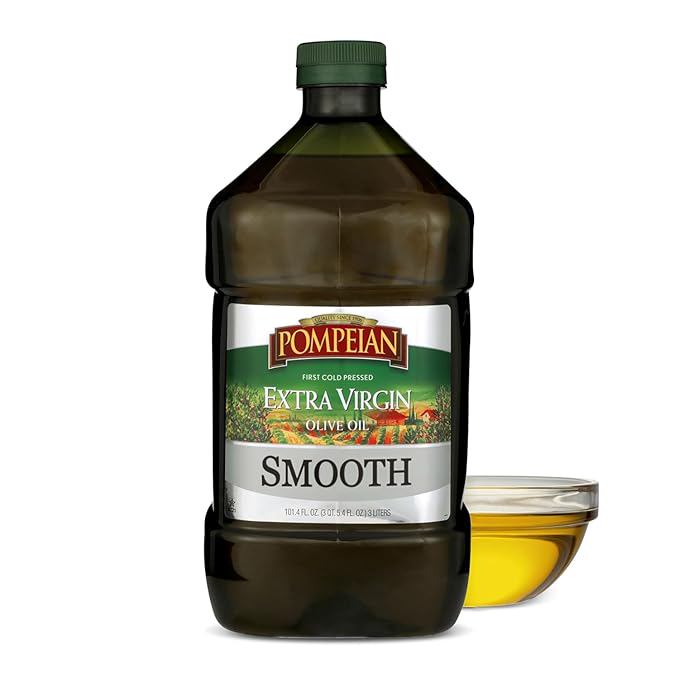
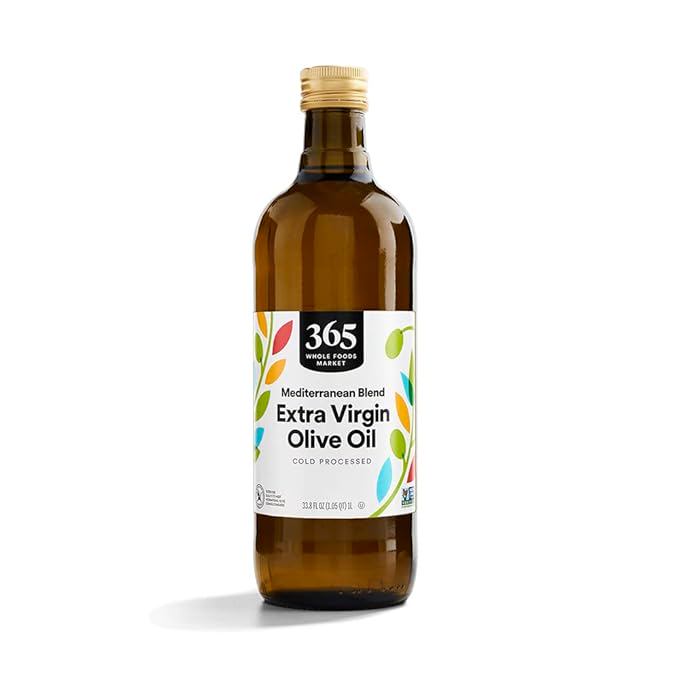
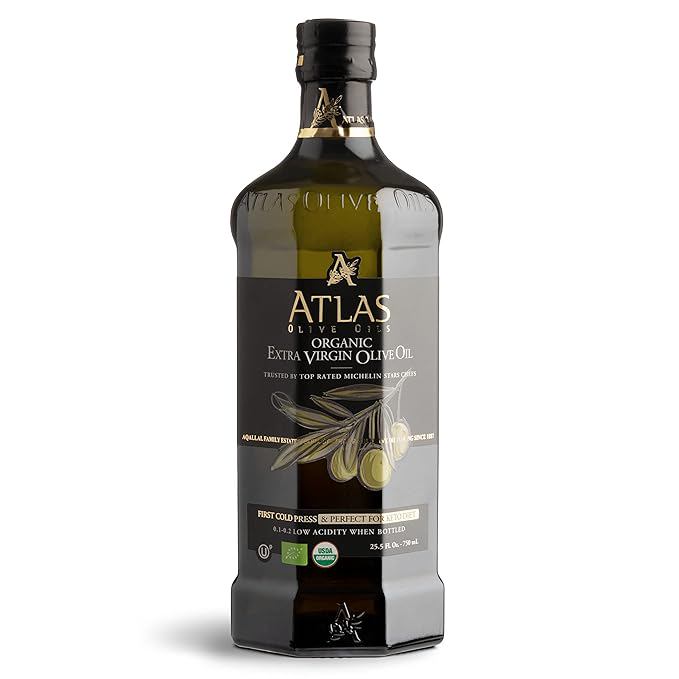
A Flavorful Heart-Healthy Oil: A good extra virgin olive oil is indispensable. Use it for medium-heat cooking, dressings, and finishing. Its distinct flavor and polyphenol content are part of its nutritional appeal.
A Specialty Oil for Omega-3s: If you like, add a bottle of flaxseed or walnut oil to your fridge. These are rich in plant-based omega-3s (ALA) but are very heat-sensitive. Use them exclusively in cold applications.
Common Questions Answered
Is extra virgin olive oil bad for cooking?
Not at all. While its smoke point is lower than refined oils, it's perfectly suitable for medium-heat cooking like sautéing, simmering, and most oven roasting. Its stability is better than many people assume. Just avoid using it for prolonged high-heat searing.
What about coconut oil?
Coconut oil is high in saturated fat, which makes it solid at room temperature and very stable for cooking. Dietitians view it as a "sometimes" oil—fine to use occasionally for its unique flavor in certain recipes, but not as a primary, everyday cooking fat for heart health.
Are "light" olive oils healthier?
The term "light" here refers to color and flavor, not calories or fat content. Light olive oil is more refined, giving it a higher smoke point and milder taste, making it good for high-heat cooking where you don't want a strong olive flavor. For antioxidant benefits, extra virgin is the less-processed choice.
How should I store my oils?
Heat, light, and air are the enemies of oil, causing them to oxidize and go rancid. Store oils in a cool, dark cupboard—not next to the stove. Oils rich in polyunsaturated fats (like flaxseed or walnut) are especially perishable and should be refrigerated after opening to preserve their freshness and nutrients.
Choosing a cooking oil ultimately comes down to purpose and balance. By keeping a versatile high-heat oil and a flavorful heart-healthy oil on hand, you can prepare almost any dish with confidence, knowing you're making a choice that supports both great taste and good health.