
If you've ever left a doctor's appointment or read a wellness article with the advice to "eat more fiber," you're not alone. It's one of the most common, yet often vague, nutritional recommendations. While the intention is good, the "how" can feel elusive. What does adding more fiber actually look like on your plate, and why is it such a unanimous priority among nutrition experts?
Dietitians emphasize fiber not as a singular nutrient to check off a list, but as a foundational component of a healthy eating pattern. It's about the whole picture—how fiber-rich foods support digestion, steady energy, and long-term health. Let's move beyond the generic advice and explore what dietitians really want you to know about weaving more of this essential element into your daily meals, in a way that feels sustainable and satisfying.
Why is fiber such a big deal to nutrition experts?
Fiber is the indigestible part of plant foods. Unlike fats, proteins, or carbohydrates, which your body breaks down and absorbs, fiber mostly passes through your system relatively intact. This unique quality is precisely what makes it so powerful. Dietitians champion fiber because its benefits are both immediate and far-reaching.
First, it's essential for digestive harmony. Soluble fiber, found in foods like oats, beans, and apples, absorbs water to form a gel-like substance, helping to soften stool and support regular elimination. Insoluble fiber, found in whole wheat flour, nuts, and many vegetables, adds bulk to stool and helps it pass more quickly through your gut.
Beyond digestion, a high-fiber diet is closely linked to a reduced risk of chronic diseases. It helps manage blood sugar levels by slowing the absorption of sugar, supports heart health by helping to lower LDL ("bad") cholesterol, and contributes to a healthy weight by promoting feelings of fullness. For dietitians, recommending fiber is a proactive step toward foundational wellness.
What does "more fiber" actually look like on a daily plate?
The abstract goal becomes tangible when you see it as a shift in proportions and choices. Dietitians often frame it as "crowding in" the good stuff, rather than focusing on restriction.
Imagine your lunch plate. A dietitian might suggest making at least half of it vegetables—like a large side salad or roasted broccoli. For your grain, choosing a whole-wheat tortilla, quinoa, or brown rice over refined versions instantly boosts fiber. Adding a half-cup of beans or lentils to a soup, salad, or bowl adds a significant fiber (and protein) punch. It's these cumulative swaps that add up.
Think of fiber as the architecture of your meal. It's the structure provided by vegetables, whole grains, and legumes that makes a meal filling and steadying.
Snacks are a prime opportunity. Instead of a fiber-bar (which can be highly processed), a dietitian would point you toward whole food pairings: an apple with a tablespoon of almond butter, carrot sticks with hummus, or a small handful of nuts and berries.
What are the most common pitfalls when trying to increase fiber?
Enthusiasm can sometimes lead to discomfort if you increase your intake too rapidly. A sudden, large increase in fiber—especially without adequate water—can cause bloating, gas, or cramping. The golden rule from dietitians is to increase gradually and hydrate consistently.
Another pitfall is relying solely on supplements or "fiber-fortified" foods. While psyllium husk or a fortified cereal can have a place, they shouldn't be the primary strategy. Whole foods provide a symphony of nutrients—vitamins, minerals, and antioxidants—that work synergistically with fiber, benefits you don't get from an isolated supplement.
Finally, don't forget about variety. Different plants provide different types of fiber and phytonutrients. Eating a rainbow of fruits, vegetables, and grains ensures you get the full spectrum of benefits.
Simple, dietitian-approved strategies for every meal
You don't need a complete diet overhaul. Small, consistent changes are more sustainable. Here are a few ways to approach it.
Start with breakfast
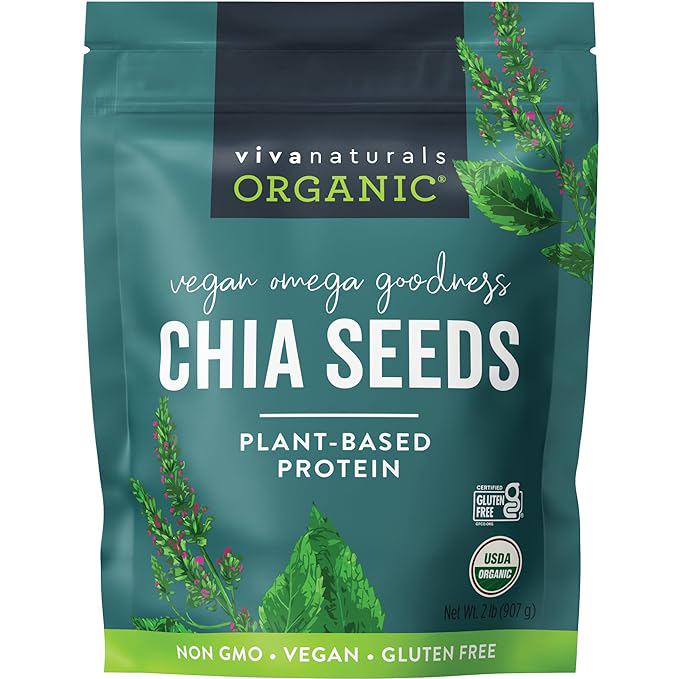
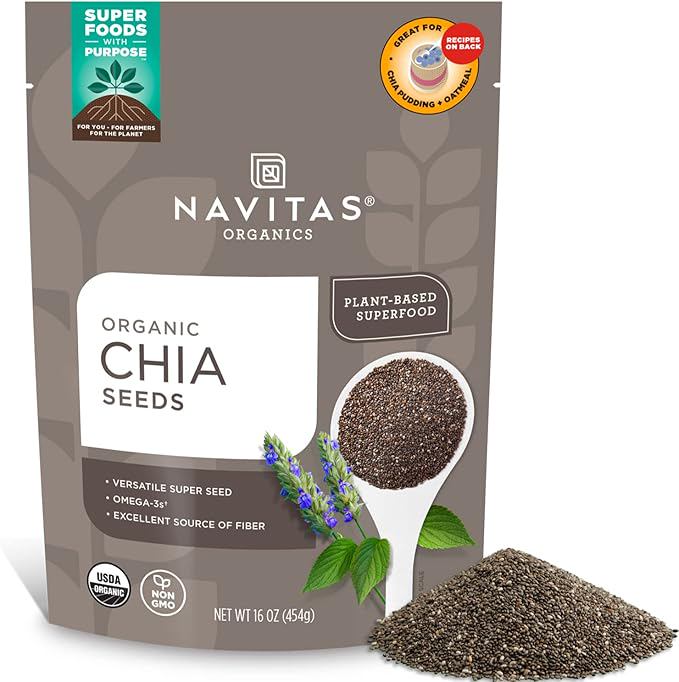
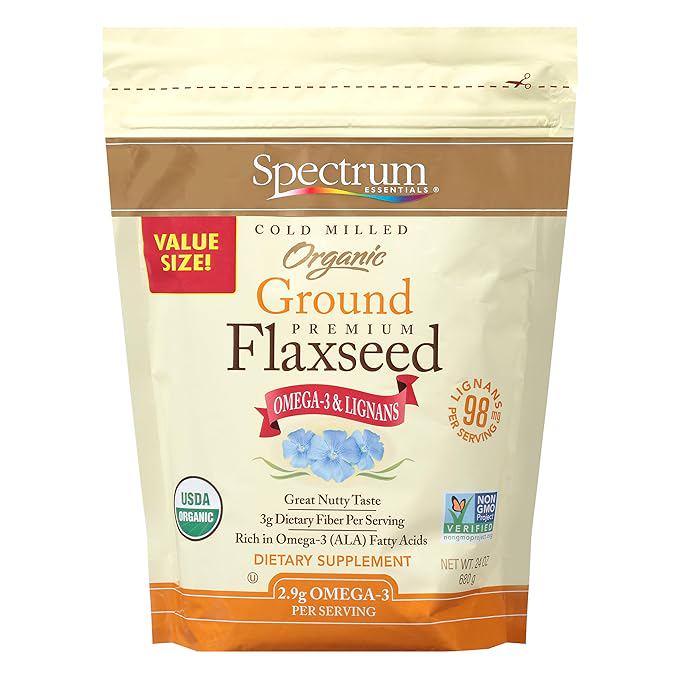
Swap out low-fiber cereals for oatmeal or a high-fiber whole-grain cereal (aim for at least 5 grams of fiber per serving). Stir a tablespoon of ground flaxseed or chia seeds into your yogurt or smoothie. Top anything with a handful of berries.
Reimagine your grains
When possible, choose the whole-grain option: brown rice instead of white, whole-wheat pasta instead of regular, quinoa or barley in salads. A simple start is to mix half whole-grain and half refined pasta to ease the transition.
Prioritize plants at lunch and dinner
Make vegetables the main event, not just a side. Build meals around a hearty bean chili, a large lentil soup, or a stir-fry loaded with vegetables and tofu. Add a can of rinsed beans to your favorite soup or pasta sauce.
Snack smartly
Keep whole fruit visible on your counter. Have pre-cut vegetables like bell peppers and cucumbers ready in the fridge. Pair them with a fiber-rich dip like hummus or guacamole.
The journey to eating more fiber is a gentle shift toward more whole, plant-based foods. It’s less about counting grams and more about building a pattern of eating that feels good and supports your health for the long run. Listen to your body, increase your intake slowly with plenty of water, and enjoy the variety and flavors that these foods bring to your table.