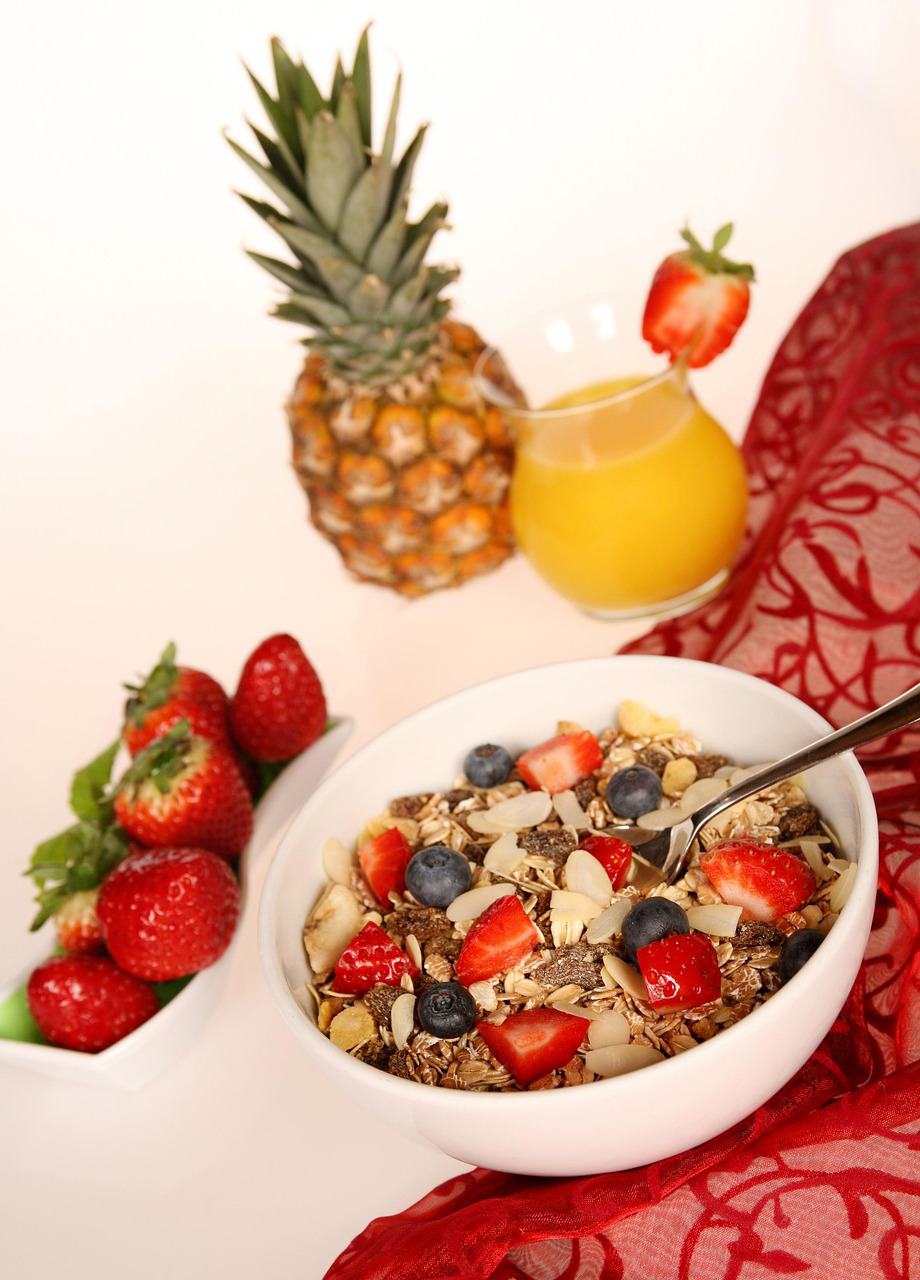
That moment when a sugar craving hits can feel almost irresistible. Whether it strikes mid-afternoon or after dinner, the urge for something sweet often feels urgent and specific. Cravings happen for many reasons—habit, blood sugar dips, emotional triggers, or even just a lack of certain nutrients. The good news is that you don't have to white-knuckle your way through them. Many dietitians suggest a practical, satisfying approach: eat something real before you reach for refined sugar.
Instead of fighting the craving with sheer willpower, you can redirect it with foods that provide actual nourishment. The goal is not to demonize sweets but to find options that both satisfy the urge and support steady energy, stable mood, and digestive comfort. Here is what registered dietitians often recommend when the sugar signal sounds.
Why do sugar cravings happen in the first place?
Understanding the root of a craving can help you respond more skillfully. A sugar craving is rarely a sign of personal failure. It is often a signal from your body or brain reacting to an energy dip, a habit loop, or an emotional need. Skipping meals, eating too many refined carbs without protein or fat, poor sleep, and even stress can all trigger intense desires for quick sugar.
Dietitians point out that the brain runs on glucose, so when blood sugar drops, your body naturally seeks a fast source of fuel. The problem is that reaching for a candy bar or a soda gives a rapid spike followed by a crash, which can set off another craving cycle. A more strategic approach involves choosing foods that hit the sweet spot while also providing fiber, protein, or healthy fat to slow digestion and stabilize blood sugar.
What dietitians recommend when a sugar craving hits
The best choices combine a touch of natural sweetness with something that provides staying power. Here are the most common picks dietitians share with clients.
Fresh fruit paired with protein or fat
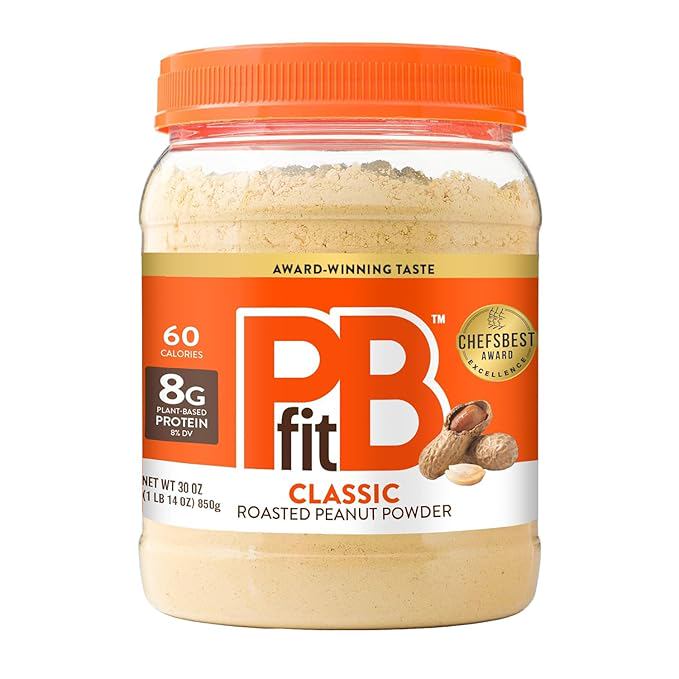
Fruit provides natural sugars along with fiber, vitamins, and water. On its own, fruit can be satisfying, but pairing it with protein or fat makes it far more effective at curbing cravings long-term. A sliced apple with peanut butter, a banana with a few almonds, or berries with full-fat Greek yogurt are classic combinations. The protein and fat slow the absorption of sugar, preventing the crash that often leads to another craving.
A small piece of high-quality dark chocolate
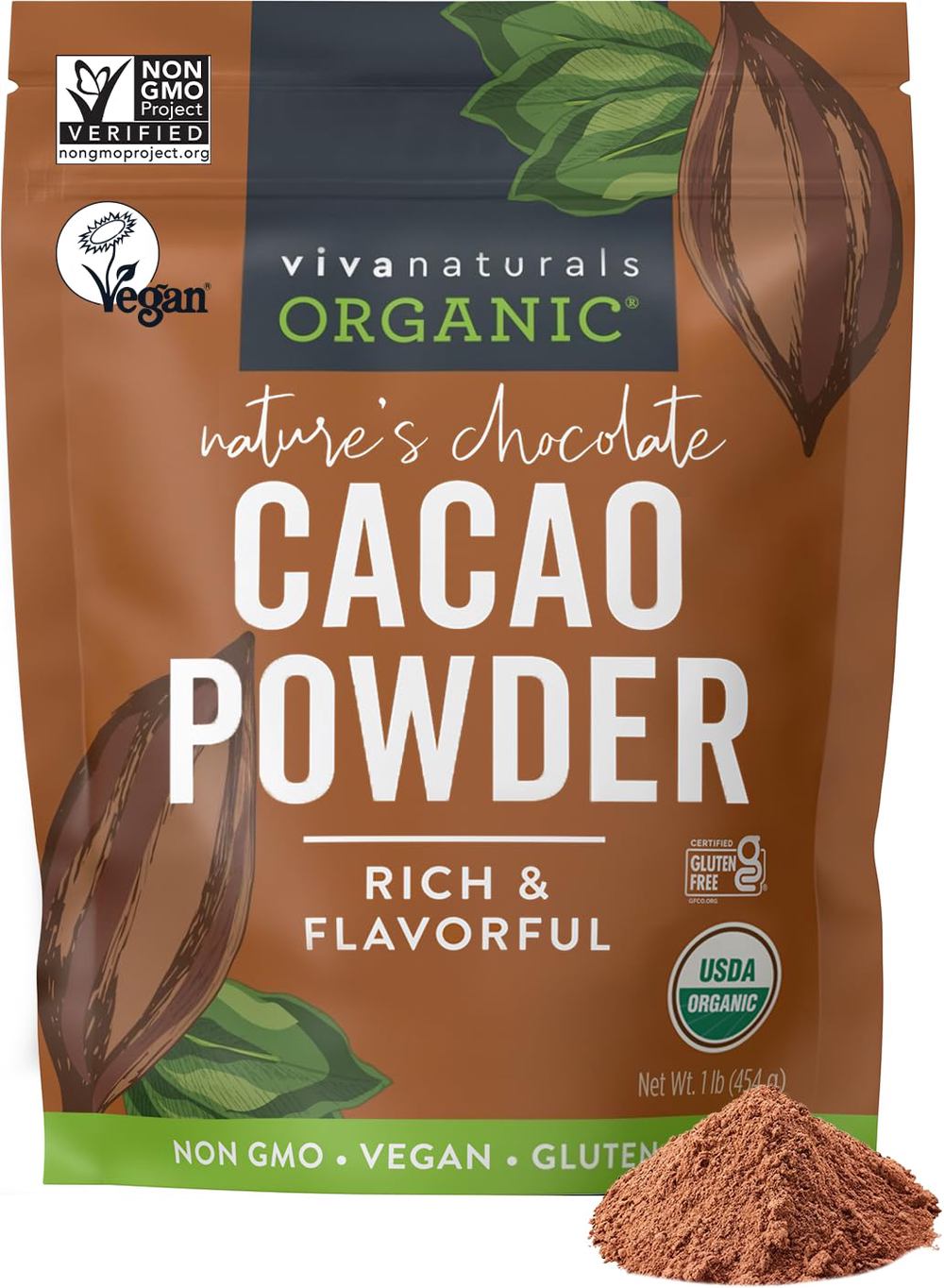
Dark chocolate with 70% cacao or higher offers a small amount of sugar along with compounds like magnesium and antioxidants. Many dietitians suggest keeping a few squares on hand for when the sweet tooth calls. Because it is richer and more intense than milk chocolate, you are likely to feel satisfied with a smaller portion. Eating it mindfully—no distractions, one square at a time—can help the craving feel fully met.
Dates stuffed with nut butter
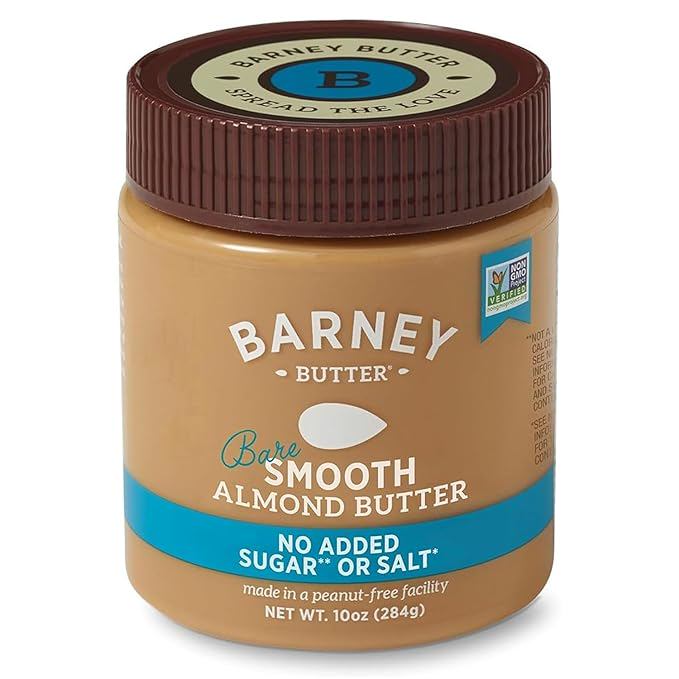
Medjool dates are naturally very sweet and have a chewy, caramel-like texture. When you split one open and fill it with almond butter, peanut butter, or a dollop of coconut cream, you get a treat that tastes indulgent but delivers fiber, healthy fats, and a range of nutrients. A single date with nut butter can stop a sugar craving in its tracks without leading to the cycle of eating an entire sleeve of cookies.
A warm mug of tea with a little something
Sometimes the ritual of a warm drink can interrupt the craving loop. Herbal teas like peppermint, chamomile, or rooibos have a naturally sweet note. Adding a small splash of milk or a teaspoon of honey can turn the mug into a comforting dessert alternative. The act of slowly sipping something warm gives your hands and mouth something to do while the craving passes, and the gentle sweetness provides closure without a sugar spike.
"A sugar craving is a cue, not a command. You can pause, ask what your body really needs, and choose something that satisfies without derailing your energy or digestion." — common dietitian guidance
Other dietitian-approved sweet swaps
Beyond the classics above, there are several more creative options that dietitians suggest for those looking for variety or something to keep on hand for emergencies.
- Frozen grapes or banana slices: Pop them in the freezer for a cold, creamy treat. Frozen grapes have a sorbet-like texture, and frozen banana chunks can be blended into a one-ingredient soft serve.
- Chia pudding with a touch of maple syrup: Chia seeds absorb liquid and create a pudding-like texture. Sweetened lightly with maple syrup or honey and topped with berries, this options adds omega-3s and fiber.
- A handful of trail mix with dark chocolate chips: Make your own mix with unsalted nuts, unsweetened coconut flakes, and a small handful of dark chocolate chips. The crunch and saltiness balance the sweet.
- Cinnamon-spiced oatmeal with berries: Oatmeal provides slow-release carbs. Stirring in cinnamon (which can help regulate blood sugar) and topping with berries gives you a warm, sweet bowl that feels like dessert.
Strategies that help cravings lose their power
Choosing the right food is only part of the picture. Dietitians also emphasize a few behavioral shifts that reduce the frequency and intensity of cravings over time.
- Don't skip meals. Eating regular, balanced meals with protein, fat, and fiber keeps blood sugar steady and prevents the deep hunger that makes cravings roar.
- Stay hydrated. Thirst is often mistaken for hunger or a craving for something sweet. Drink a glass of water and then wait ten minutes before deciding you need a snack.
- Get enough sleep. Sleep deprivation raises ghrelin (the hunger hormone) and lowers leptin (the satiety hormone), which can increase cravings for high-sugar, high-calorie foods.
- Remove the decision. Pre-portion or prep craving-friendly snacks like a small bag of trail mix or a cut apple with almond butter so you aren't left to decide when the craving is at its peak.
One of the most empowering lessons dietitians share is that a craving does not mean you have lost control. It simply means something in your body or environment is asking for attention. By having a few go-to options ready, you can meet that request in a way that leaves you feeling satisfied, not guilty.
This content is for educational purposes only and is not a substitute for personalized medical or nutritional advice. Always consult a registered dietitian or healthcare provider for guidance tailored to your specific needs.