Eating more plants is one of the best things you can do for your health, but simply piling on the vegetables doesn't guarantee your body absorbs all the vitamins and minerals they contain. Many plant foods come with natural compounds that can block or enhance the absorption of key nutrients. Dietitians emphasize that with a few simple strategies you can significantly increase how much your body actually uses from every spinach leaf, bean, or nut you eat.
Why Absorption Matters with Plant Foods
Plants are packed with protective compounds called antinutrients—like oxalates, phytates, and tannins—that evolved to defend the plant, but can also bind to minerals in your gut and prevent them from entering your bloodstream. For example, iron in spinach is abundant, but it's mostly a non-heme form that is much harder to absorb than the heme iron in meat. The good news is that food preparation and pairing techniques can dramatically improve your body's access to these nutrients.
Pair Iron-Rich Plants with Vitamin C
This is one of the most well-supported strategies in nutrition. Non-heme iron from plant sources such as lentils, beans, spinach, and fortified cereals is notoriously finicky. A squeeze of lemon, a handful of bell peppers, or a few slices of tomato can boost iron absorption by up to six times.
Try this: Add red bell pepper to your lentil soup or dress your spinach salad with a tangy lemon vinaigrette.
Soak, Sprout, and Cook to Reduce Antinutrients
Phytates in grains and legumes, and oxalates in leafy greens, are the primary culprits behind poor mineral absorption. Simple kitchen steps disarm them:
- Soaking beans, oats, and rice overnight reduces phytate content significantly.
- Sprouting legumes and grains activates enzymes that break down antinutrients, boosting the bioavailability of iron, zinc, and calcium.
- Cooking (especially boiling or steaming) reduces oxalates in greens like spinach and Swiss chard, freeing up calcium and iron.
Don't Forget Healthy Fats
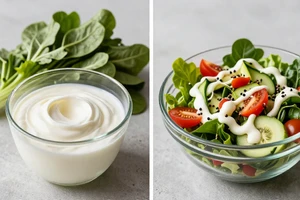
Vitamins A, D, E, and K are fat-soluble, meaning they need dietary fat for proper absorption. If you're eating a big kale salad with raw carrots but no dressing, you're missing out on the carotenoids and vitamin K. Dietitians suggest adding a source of healthy fat to every plant-heavy meal.
- Drizzle olive oil on roasted vegetables.
- Add avocado slices to your grain bowl.
- Snack on nuts or seeds alongside fruit.
Even a small amount—about a tablespoon of oil or half an avocado—makes a measurable difference.
Consider Calcium Timing
Calcium competes with iron for absorption in the gut. If you drink a glass of milk with your iron-rich lentil curry, you may reduce iron absorption by up to 50%. The fix is simple: separate high-calcium foods from high-iron plant meals by a couple of hours. Enjoy your yogurt as a midday snack rather than alongside your bean-based dinner.
What About Tea and Coffee?
Tannins in tea and coffee also bind to iron. If you're prone to low iron stores, avoid sipping these beverages with meals. Wait at least one hour after eating before you pour that cup of black tea.
Zinc Boosts from Fermentation
Zinc from plant foods like pumpkin seeds, chickpeas, and whole grains is less absorbable due to phytates. Fermentation—think sourdough bread, tempeh, or miso—naturally reduces phytate levels and enhances zinc availability. Including even one fermented food in your daily diet supports better mineral uptake across the board.
Putting It All Together
You don't need to obsess over every single meal. Small, consistent shifts in how you prepare and combine plant foods add up. A dietitian's overarching advice is to eat a wide variety of whole plants, include a source of vitamin C and healthy fat at most meals, and use traditional food preparation methods like soaking and cooking. Your body will reward you with better energy, stronger bones, and more balanced nutrient levels over time.