You have your lifting plan dialed in. Your gym bag is packed. You are mentally ready to push through a heavy set of squats. Then, just before you walk out the door, you grab something to drink. That one choice—seemingly harmless—can quietly sabotage everything you are about to do in the weight room.
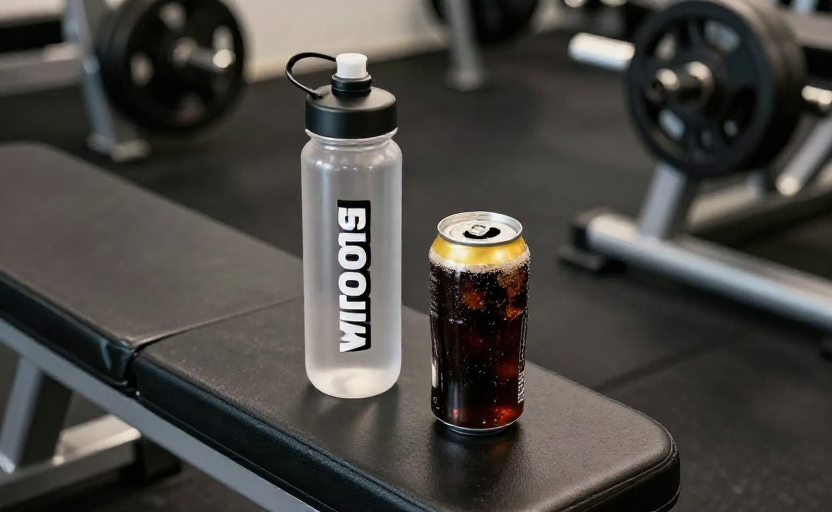
I talk to dietitians regularly about what works for performance and what absolutely does not. When the topic turns to the worst possible drink before a strength training session, the answer comes back fast and unanimous: sugary soda—and especially full-sugar cola. It is not just about empty calories. It is about how the combination of high fructose corn syrup, carbonation, and phosphoric acid collides with the demands of lifting heavy weights.
Why soda is uniquely bad for strength training
A standard 12-ounce can of cola packs around 39 grams of added sugar, almost all of it from high fructose corn syrup. Dietitians point out that this massive sugar spike triggers a sharp rise in blood glucose, followed by the inevitable insulin surge. For a lifter, that crash can hit midway through your set. You feel shaky, foggy, and suddenly your grip strength feels off. That is not a recipe for progressive overload; it is a recipe for a missed rep.
Beyond the sugar crash, there is the carbonation. “Carbonated drinks fill your stomach with gas, which can cause bloating and discomfort during heavy compound movements like deadlifts and squats,” explains registered dietitian Sarah Johnson, RD. “That pressure distracts you from proper bracing and can even contribute to acid reflux when you are bent over a barbell.”
Phosphoric acid, common in dark sodas, adds another problem. It binds to calcium and magnesium in your digestive tract, making those minerals less available for muscle contraction. Lifting heavy requires precise neuromuscular coordination. Interfering with electrolyte balance before you even start is counterproductive in a way that most lifters never consider.
What happens when you drink soda instead of water or a proper pre-workout
Strength training creates a high demand for blood flow to working muscles. Digestion also requires blood flow. When you drink soda, your body has to divert energy to process that sudden flood of sugar and acid. Instead of oxygenated blood moving efficiently toward your quads, lats, and core, it gets tied up in the gut. Performance drops, perceived effort rises, and recovery takes a hit.
One study published in the Journal of the International Society of Sports Nutrition found that consuming high-glycemic carbohydrates before resistance exercise can impair performance, particularly in exercises that require sustained power output over multiple sets. While carbohydrates can be helpful before training if timed correctly, soda provides the wrong type of carbohydrate at the wrong speed—no fiber, no protein, no micronutrients, just a fast spike and an inevitable drop.
Common alternatives lifters try that are also problematic
If you think sugar-free soda is a safe substitute, think again. Dietitians generally view diet sodas as a lesser evil compared to regular soda, but they still come with issues. The carbonation remains, so bloating is still a risk. And because artificial sweeteners like aspartame and sucralose can alter gut microbiota and cause gastrointestinal distress in some people, you might end up with cramps mid-workout. For strength training, that is still a dealbreaker.
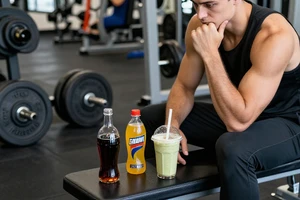
Energy drinks present another category of risk. Many contain caffeine combined with high sugar levels, carbonation, and performance-degrading additives. While caffeine alone is a well-known ergogenic aid, consuming it in a syrupy, carbonated vehicle is not the same as taking a measured dose before your session. The excessive sugar can override any potential benefit.
What dietitians actually want you to drink instead
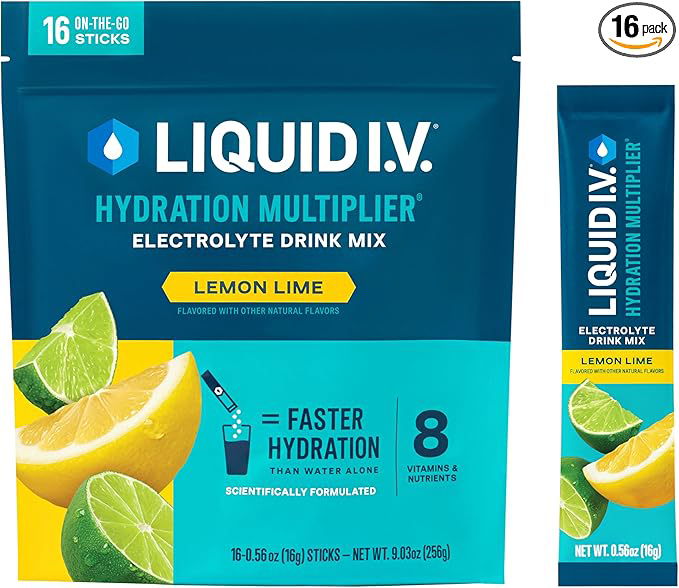
For most strength training sessions, plain water is the gold standard. If you are training longer than sixty minutes or sweating heavily, consider adding electrolytes—look for products with sodium, potassium, and magnesium without added sugar or artificial colors.
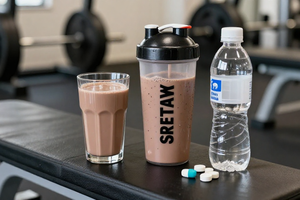
For those who want a bit of fuel before lifting, a small cup of black coffee or unsweetened tea offers caffeine without the sugar load or carbonation. If you need carbs for energy, a banana or a small serving of oatmeal is far better than liquid sugar. Some lifters do well with a protein shake or a glass of milk about 30–60 minutes before training, as the protein and slower-digesting sugars provide a steady energy release.
Hydration timing matters, too
Hydration for strength training is not just about what you drink in the locker room. Dietitians recommend drinking water consistently throughout the day. If you show up already dehydrated, then picking the perfect pre-workout drink will not help. A good rule of thumb is to drink about 16 to 20 ounces of water two hours before exercise, and another 8 to 10 ounces about 15 minutes before you start.
“If you wouldn’t feed it to your car before a race, don’t give it to your body before a heavy squat session,” says dietitian Marcus Lee, RD. “Soda is basically the wrong fuel for working muscle.”
The bottom line for lifters
You put thought into your warm-up, your rep scheme, and your form. Your pre-workout nutrition should get the same attention. Soda—especially regular cola—is the single worst drink you can choose before strength training. It robs you of stable energy, interferes with mineral balance, fills your stomach with uncomfortable gas, and impairs blood flow to the muscles that need it most. Stick with water, coffee, or minimal-ingredient electrolyte drinks, and leave the soda for a recovery day treat far away from the weight rack.