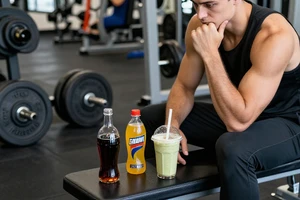
You just finished a brutal heavy lifting session. Your muscles are screaming, your shirt is soaked, and the only thing on your mind is rehydration and recovery. But before you reach for that can of soda or grab the nearest sports drink from the vending machine, fitness experts have a clear warning: one common beverage can actively sabotage your recovery and delay muscle repair.
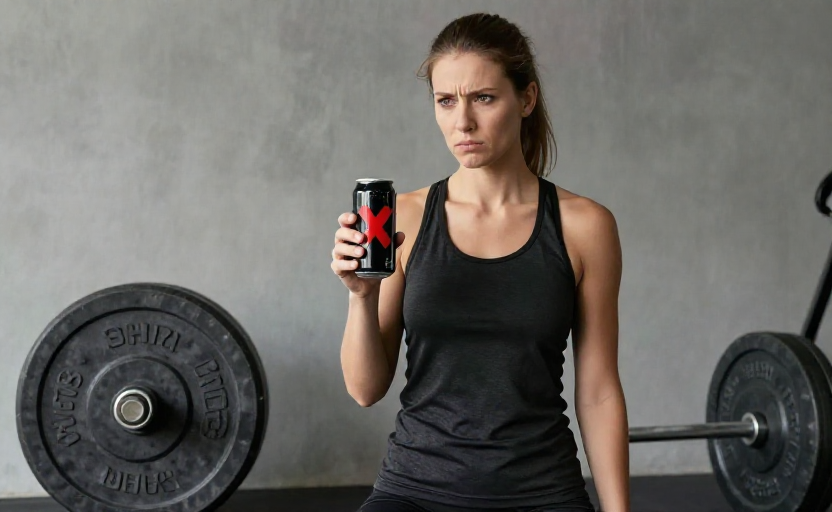
The worst drink you can have after a heavy lifting session is a sugary soda—regular or diet—but the reasons go far beyond just empty calories. Here is what happens inside your body when you pair a heavy deadlift session with a soda, and what you should actually be sipping instead.
Why soda is the enemy of post-lifting recovery
Heavy lifting triggers a cascade of physiological responses: micro-tears in muscle fibers, a drop in glycogen stores, and a surge in the stress hormone cortisol. Your body then shifts into repair mode, which requires specific nutrients, not sugary distractions. A can of cola delivers roughly 39 grams of high-fructose corn syrup or refined sugar. That massive sugar spike does more harm than good for a few critical reasons.
First, the rapid insulin spike caused by liquid sugar can actually inhibit the release of growth hormone, which is essential for muscle repair and growth. A 2019 review in Nutrients highlighted that while insulin is needed to shuttle glucose into cells, excessive post-exercise insulin surges from simple sugars can blunt the body's natural anabolic response. Second, soda provides zero protein, zero electrolytes in meaningful amounts (despite what some marketing suggests), and zero fiber. It is essentially anti-recovery fuel.
Think of it like this: you just tore down a wall in your house, and instead of handing you bricks and mortar, someone hands you a bucket of syrup. The syrup does not rebuild the wall; it just leaves a sticky mess.
What about the diet soda debate?
Some lifters switch to diet soda thinking they are avoiding the sugar trap. Unfortunately, the news is not much better. Artificial sweeteners like aspartame, sucralose, and acesulfame potassium can still cause trouble for recovery. A 2017 study in Physiology & Behavior found that artificial sweeteners may disrupt gut microbiota and blunt the insulin sensitivity improvements that exercise is supposed to provide. After a heavy lift, your muscles are primed to accept glucose for glycogen replenishment. Diet soda can interfere with that metabolic window.
Additionally, carbonation from any soda can cause bloating and gastric discomfort when you are already dehydrated from lifting. Many lifters report feeling sluggish or experiencing stomach cramps after combining heavy squats with a fizzy drink. This is not what you want when your body needs hydration and nutrient absorption.
The hidden damage: inflammation and oxidative stress
Heavy resistance training naturally creates oxidative stress and a temporary inflammatory response—that is part of how muscles grow stronger. However, sugary drinks add unnecessary fuel to that fire. The high sugar content promotes systemic inflammation and can increase oxidative stress markers, potentially slowing down the recovery timeline. This means more soreness, longer downtime, and a higher risk of overtraining if you consistently pair lifting with soda.
What should you drink instead?
Now that we have identified the worst offender, here are three far better choices that actually support the work you just did in the gym.
1. Water with a pinch of salt
Plain water is almost always the best choice. After heavy lifting, you lose sodium and other electrolytes through sweat. Adding a small pinch of high-quality salt (sea salt or pink Himalayan salt) to your water helps replace lost sodium and improves fluid absorption. This is cheap, simple, and effective.
2. Chocolate milk
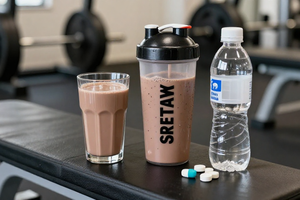
Yes, real chocolate milk has sugar, but it also contains a solid ratio of carbohydrates to protein (roughly 3:1 or 4:1), which is close to what sports nutritionists recommend for post-workout recovery. The research is solid: a 2019 meta-analysis in the Journal of the International Society of Sports Nutrition found that milk-based proteins (casein and whey) support muscle protein synthesis and glycogen replenishment. Milk also naturally contains electrolytes like calcium, potassium, and magnesium. Stick to plain or low-sugar chocolate milk rather than heavily sweetened commercial versions.
3. Tart cherry juice (diluted)
Tart cherry juice is rich in anthocyanins, which have anti-inflammatory and antioxidant properties that help reduce exercise-induced muscle damage and soreness. A 2021 study in the Scandinavian Journal of Medicine & Science in Sports showed that tart cherry juice improved recovery of muscle function after intense resistance training. Dilute it with water to reduce the sugar load and keep calories reasonable.
The bottom line on post-lifting hydration
Your post-workout drink choice is not a minor detail—it directly influences how fast your muscles repair, how sore you feel tomorrow, and how well your next training session goes. Soda, whether full-sugar or diet, is the worst option for recovery because it disrupts hormone signaling, fuels inflammation, and provides no building blocks for muscle repair. Stick to water, milk-based options, or tart cherry juice to give your body what it actually needs after a heavy lift.