You have just finished a brutal set of deadlifts or a heavy farmer's carry. Your forearms are burning, your hands are tired, and your grip is hanging on by a thread. The post-workout recovery ritual is crucial, but what you reach for to rehydrate could be actively sabotaging your grip strength for the next session. According to sports medicine and nutrition experts, one popular beverage stands out as the worst choice for anyone serious about maintaining hand and forearm power after a strength workout: sugary soda.
It is not just about the empty calories. The specific combination of high-fructose corn syrup (or refined sugar), phosphoric acid, and carbonation creates a triple threat that impairs muscle recovery, promotes inflammation, and directly weakens the neuromuscular coordination needed for a powerful grip. Here is why that post-workout cola is doing more harm than good, and what you should drink instead to protect your hand strength.
Why soda attacks grip recovery
Your grip strength depends on a chain of events: your brain sends a signal down your spine, through the nerves in your arm, and into the muscles of your forearm and hand. After a training session, those muscles are full of micro-tears and depleted of glycogen. They need efficient blood flow and proper hydration to repair and grow stronger. Soda does the opposite.
Impaired circulation and oxygen delivery
The high sugar content in a standard 12-ounce can of soda causes a rapid spike in blood sugar. In response, your body releases a flood of insulin. This hormonal surge triggers systemic vasoconstriction — a narrowing of blood vessels — which reduces blood flow to peripheral tissues, including the hands and forearms. Your recovering muscles need oxygen-rich blood to clear metabolic waste and bring in amino acids for repair. Soda restricts this process exactly when your grip needs it most.
Dehydration from caffeine and sugar
While some sodas contain caffeine, which acts as a mild diuretic, the bigger problem is osmotic dehydration. The high concentration of sugar in your bloodstream draws water out of your cells through osmosis. This cellular-level dehydration directly impacts the muscle fibers in your hands and forearms. A dehydrated muscle cannot contract as forcefully or as efficiently. Multiple studies show that even a 1–2% reduction in body water can decrease grip strength by up to 10%.
“After a strength workout, your grip relies on optimal hydration in the small muscles of the hand and forearm. Sugar-laden beverages pull water away from those cells, making it harder to generate force in your next set.” — Sports nutrition researcher
The phosphoric acid problem
Dark colas contain phosphoric acid, which gives them their tangy bite. This compound interferes with calcium absorption. Calcium is absolutely essential for muscle contraction — every time you squeeze a barbell, calcium ions flood into your muscle cells to trigger the contraction. If your calcium balance is disrupted by chronic or post-workout phosphoric acid intake, your grip will feel weaker, slower, and more prone to fatigue.
Inflammation undermines hand strength
High-glycemic beverages like soda spike your blood glucose, which triggers the release of pro-inflammatory cytokines. Inflammation in the tendons and connective tissues of the hand and wrist — areas already stressed by heavy gripping — can lead to chronic issues like tendinopathy or reduced grip endurance. You might not feel it immediately, but repeated post-workout soda consumption sets the stage for stiffness, soreness, and diminished grip performance over time.
Does diet soda solve the problem?
Not really. While diet soda eliminates the sugar spike, the artificial sweeteners come with their own issues. Research suggests that artificial sweeteners like aspartame and sucralose can disrupt gut microbiota and alter insulin sensitivity in ways that may impair muscle recovery. Additionally, the carbonation alone can cause bloating and abdominal discomfort, which subtly shifts your lifting mechanics. Furthermore, the caffeine content in many diet sodas still acts as a mild diuretic. For grip strength specifically, diet soda is a better choice than full-sugar soda, but it is still far from optimal compared to water or electrolyte-rich beverages.
What to drink for better grip strength
If you want to protect your grip and accelerate recovery, your post-workout drink should do three things: rehydrate, replenish electrolytes, and support blood flow. Here are the best alternatives:
- Plain water with a pinch of salt. This restores fluid balance and provides sodium, which is essential for nerve signaling to the hand muscles. Aim for 16–24 ounces over the hour after your workout.
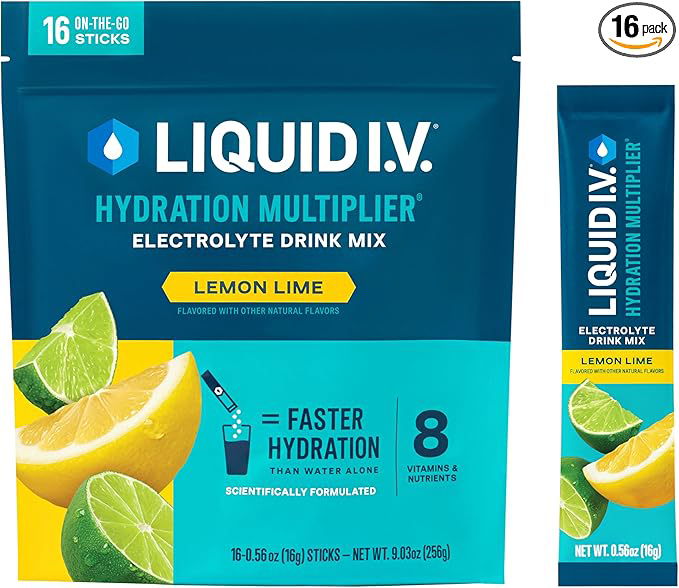
- Electrolyte drinks with minimal sugar. Look for options with less than 5 grams of sugar per serving. Potassium and magnesium help prevent cramping in the forearms and fingers.
- Tart cherry juice. The natural anti-inflammatory compounds in tart cherries can reduce muscle soreness and improve recovery of strength, including grip function. Dilute it with water to reduce sugar load.
- Green tea (unsweetened). The modest caffeine improves alertness without the crash, and the catechins provide antioxidant support for muscle repair.
Practical takeaway for lifters
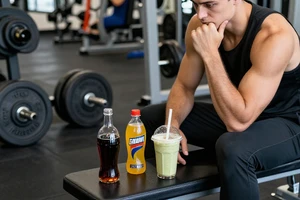
One soda after a workout will not permanently ruin your grip strength. But if you habitually reach for a can of cola or a sugary energy drink to cool down after a strength session, you are stacking the deck against your hands and forearms. The cumulative effect of restricted blood flow, cellular dehydration, and inflammation will slowly erode your ability to hold heavy weight. Swap it for water or an electrolyte drink, and your grip will thank you when you wrap your hands around the bar next time.