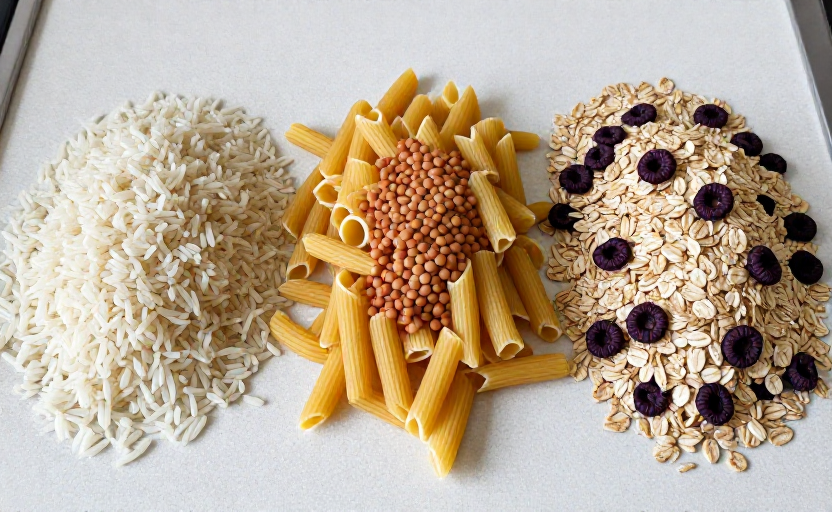
When you hear the word "carbs," what comes to mind? For many of us, it’s a confusing mix of bread, pasta, guilt, and conflicting advice. The truth is, carbohydrates are not a monolithic enemy of weight loss. They are a fundamental source of energy for your body and brain. The real challenge lies not in eliminating them, but in learning to distinguish between the types that fuel your goals and the types that quietly undermine them.
This isn’t about a restrictive, no-carb phase. It’s about making smarter, more satisfying choices that keep you feeling full, energized, and steadily moving toward your weight loss goals. By understanding a few simple principles, you can transform your plate without feeling deprived. Let’s explore five practical swaps that help you navigate common pitfalls and harness the power of the right carbs.
What Makes a Carb "Right" for Weight Loss?
Before we get to the swaps, it helps to know what we’re looking for. The carbohydrates that best support weight management are typically those in their whole, or close-to-whole, form. They are rich in fiber, which slows digestion, helps control blood sugar spikes, and promotes a lasting feeling of fullness. Think of the difference between eating an apple and drinking apple juice—the whole fruit provides fiber and takes time to eat, while the juice delivers concentrated sugar quickly, with little satiety.
These high-fiber, nutrient-dense carbs are often called complex carbohydrates. They are found in vegetables, legumes, whole grains, and fruits. The carbs that tend to work against weight loss are refined—stripped of their fiber and nutrients during processing. White bread, pastries, sugary cereals, and regular pasta are common examples. They digest rapidly, can lead to energy crashes, and often leave you hungry again soon after eating.
The goal isn't perfection, but progression. Each smarter swap is a step toward more stable energy and fewer cravings.
5 Smart Swaps to Try
These swaps address everyday eating moments where a simple substitution can make a significant difference in how you feel and how your body responds.
1. Swap White Rice for Cauliflower Rice or Quinoa
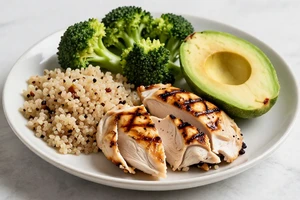
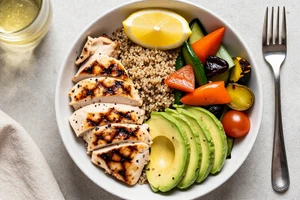
White rice is a refined grain, meaning its bran and germ—where most of the fiber and nutrients live—have been removed. A cup of cooked white rice has less than a gram of fiber. Swapping it for riced cauliflower dramatically increases your vegetable intake and cuts calories and carbs, while still giving you a satisfying, grain-like texture. For a heartier, protein- and fiber-rich whole-grain alternative, try quinoa. One cup of cooked quinoa offers about 5 grams of fiber and 8 grams of protein, helping you stay full much longer.
2. Swap Regular Pasta for Lentil or Chickpea Pasta (or Spiralized Veggies)
Traditional pasta is another refined grain. While it can fit into a balanced diet, swapping it for a legume-based pasta made from lentils, chickpeas, or black beans is a powerful upgrade. These options often double or triple the protein and fiber content per serving. The result is a meal that digests more slowly and keeps hunger at bay. For a low-carb, high-volume option, spiralized zucchini or sweet potato makes a fantastic base for sauces.
3. Swap Sugary Breakfast Cereal for Old-Fashioned Oats
Many boxed cereals, even some marketed as healthy, are loaded with added sugars and lack substantial fiber. Starting your day with this can set off a cycle of blood sugar swings and cravings. Old-fashioned rolled oats or steel-cut oats are a whole grain. When you prepare them yourself, you control what goes in. Top them with berries, a sprinkle of nuts, and a dash of cinnamon for a breakfast packed with fiber that provides steady, long-lasting energy.
4. Swap White Bread for 100% Whole-Grain or Sprouted Bread
Check your bread label. If the first ingredient says "wheat flour" or "enriched flour," it’s essentially white bread. Look for bread where the first ingredient is "whole wheat flour" or another whole grain like oats or rye. Even better, seek out sprouted grain breads. The sprouting process may increase nutrient availability and the breads are typically higher in protein and fiber. The denser texture and richer flavor also mean you may feel satisfied with less.
5. Swap Potato Chips for Air-Popped Popcorn or Roasted Chickpeas
This swap tackles the crunchy, salty snack craving. Potato chips are fried, high in refined carbs and fat, and easy to overeat. Air-popped popcorn is a whole grain. Three cups of it provide a satisfying volume for about 100 calories and a few grams of fiber. For a snack with more protein and iron, try crispy roasted chickpeas. Toss canned chickpeas with olive oil and spices, then bake until crunchy.
Navigating Common Pitfalls
Knowing what to swap is half the battle. The other half is avoiding the mental traps that can derail progress.
Pitfall: Thinking "Low-Carb" Means "No-Carb." Extremely restrictive diets are hard to maintain and can leave you feeling fatigued and deprived. The smarter approach is carb awareness—choosing quality sources and being mindful of portions, not banning entire food groups.
Pitfall: Overlooking Liquid Carbs. Sugary sodas, coffee drinks, juices, and even some smoothies can deliver a massive hit of sugar with zero filling fiber. These calories don’t register in your appetite the same way solid food does, making it easy to overconsume. Water, sparkling water, and unsweetened tea are your best bets for hydration.
Pitfall: Fear of All Starchy Vegetables. Foods like sweet potatoes, winter squash, and corn are sometimes unfairly villainized. These are whole foods packed with vitamins, minerals, and fiber. They belong in a balanced diet. The key is to treat them as your carbohydrate portion for the meal, paired with a protein and non-starchy vegetables, rather than an addition on top of other refined carbs.
Putting It Into Practice
You don’t need to make all five swaps at once. Start with one that feels easiest, perhaps the breakfast swap or a new snack option. Pay attention to how you feel two or three hours after eating the upgraded choice. Do you have more consistent energy? Are you hungry sooner or later? Let your body’s feedback guide you.
Remember, the objective is to build a sustainable pattern of eating that supports your well-being. By shifting your focus from cutting carbs to choosing better carbs, you create a foundation for weight loss that feels less like a diet and more like a nourishing, long-term habit.