Let’s be honest: the thought of weighing every morsel of food or logging numbers into an app for the rest of your life is exhausting. It can turn the simple, nourishing act of eating into a clinical chore. Yet, understanding how much we eat is a cornerstone of feeling good and reaching a healthy weight. The good news is that you can learn to manage portions effectively without ever opening a calorie counter. It’s about rebuilding a natural, intuitive relationship with food, using your own hands and eyes as gentle guides.
This approach shifts the focus from external numbers to internal cues and visual benchmarks. It’s a sustainable skill, not a temporary diet. By learning a few simple, real-world comparisons, you can bring balance to your plate, feel satisfied, and support your health goals—all while freeing your mind from the math.
Why Portion Awareness Matters More Than Calorie Counting
Calorie counting can be a useful educational tool, but it has significant limitations. It often ignores the nutritional quality of food—200 calories of almonds affects your body very differently than 200 calories of soda. It can also foster an anxious, numbers-focused mindset that disconnects you from your body’s natural signals of hunger and fullness.
Portion control, on the other hand, is about the volume and balance of what’s on your plate. It’s a visual and practical framework that encourages you to fill up on nutrient-dense foods while naturally limiting foods that are easy to overconsume. When you get the portions right, calorie balance often follows without you having to think about it. You’re working with your body’s design, not against it with a calculator.
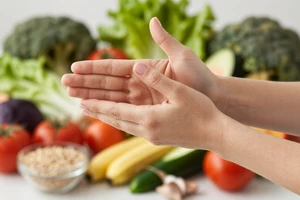
Your Built-In Measuring Tools: Your Hands
Your hands are portable, proportional to your body size, and always with you. They provide a personalized guide that’s far more practical than memorizing ounces or grams.
- Palm: A good measure for your protein portion (chicken, fish, tofu, beef). For most meals, aim for 1 palm-sized serving for women, 2 for men.
- Fist: Perfect for estimating a portion of vegetables (cooked or raw) or a serving of fruit. Aim for 1-2 fist-sized servings of vegetables per meal.
- Cupped Hand: Use this for carbohydrate-dense foods like cooked grains (rice, quinoa), pasta, legumes, or starchy vegetables (potatoes, corn). A typical portion is about 1 cupped hand.
- Thumb: Ideal for measuring fats like nuts, seeds, cheese, or oils. A thumb-sized portion (about 1 tablespoon) is a good guide for added fats.
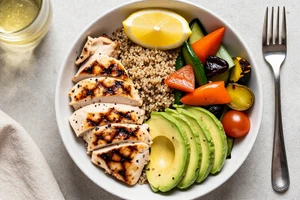
Think of your hands as a plate blueprint: a palm of protein, a fist (or two) of vegetables, a cupped hand of carbs, and a thumb of healthy fats creates a balanced, satisfying meal.
Everyday Objects as Visual Cues
When you’re not using your plate or hands, common household items offer brilliant visual shortcuts. These comparisons make portion sizes instantly understandable.
For Proteins & Starches
A deck of cards or the size of your smartphone is a great match for a 3-4 ounce portion of meat, poultry, or fish. A tennis ball or a small computer mouse is roughly equal to one serving of cooked rice, pasta, or legumes. A baseball represents about a cup of vegetables or fruit—picture a large apple or a serving of broccoli.
For Fats & Treats
Healthy fats are essential but energy-dense. A pair of dice is about one ounce of cheese. A ping-pong ball approximates two tablespoons of nut butter or a serving of hummus. For less frequent treats, a standard poker chip can remind you of the ideal thickness for a piece of chocolate, while a shot glass is a perfect guide for a mindful portion of salad dressing or a sweet dessert sauce.
Building a Balanced Plate: The Plate Method
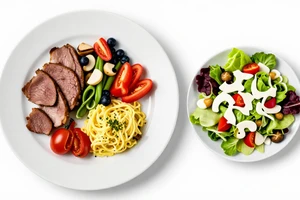
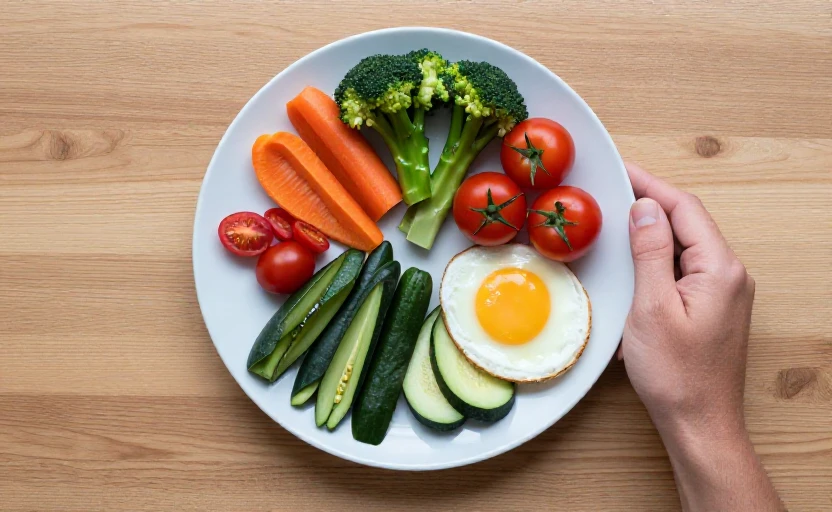
One of the simplest frameworks for portion control doesn’t require any tools at all—just your dinner plate. Imagine dividing your plate into sections:
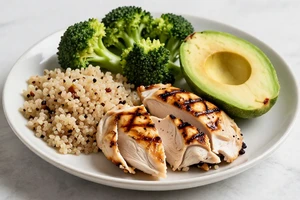
- Half the Plate: Fill this with non-starchy vegetables. Think leafy greens, broccoli, peppers, carrots, zucchini, or a colorful salad. This high-volume, low-calorie base provides fiber, vitamins, and helps you feel full.
- One Quarter of the Plate: Dedicate this to lean protein. This could be grilled chicken, fish, eggs, tempeh, or lentils.
- One Quarter of the Plate: Reserve this for complex carbohydrates or starchy vegetables. This includes brown rice, quinoa, sweet potato, whole-wheat pasta, or beans.
Add a small serving of healthy fat, like a drizzle of olive oil on your vegetables or a few avocado slices, to complete the meal. This method automatically creates proportionally correct portions for sustained energy and satisfaction.
Mindful Habits to Support Your Portion Practice
Visual guides are powerful, but the habits around eating are what make them stick. Start by using smaller plates and bowls; research shows we tend to eat less when we serve ourselves on a smaller canvas, yet feel just as satisfied. Serve food from the stove onto your plate in the kitchen, rather than placing serving dishes on the table, which can discourage mindless second helpings.
Slow down. It takes about 20 minutes for your brain to register fullness signals from your stomach. Put your fork down between bites, chew thoroughly, and engage in conversation. Check in with yourself halfway through the meal. Are you still truly hungry, or are you eating out of habit or because the food is there?
Finally, drink a glass of water before you eat. Sometimes, thirst masquerades as hunger. Staying hydrated helps you better interpret your body’s true cues.
Navigating Common Portion Pitfalls
Even with the best tools, certain situations are tricky. Restaurant portions are famously oversized. Consider splitting an entrée, boxing half of it before you start eating, or ordering an appetizer and a side salad as your meal. With packaged snacks, never eat directly from the bag or box. Instead, pour a single serving—using your hand or a visual cue—into a bowl or onto a plate. This creates a natural stopping point.
Listen to your body above all else. These guides are starting points, not rigid rules. Some days you’ll be more active and need more fuel; other days, less. The goal is to use these portion frameworks to reconnect with your innate sense of hunger and fullness, not to override it.