Nuts and seeds are nutritional powerhouses, packed with healthy fats, protein, fiber, and essential vitamins and minerals. Yet, that very density is what makes portion control so crucial. It’s easy to mindlessly eat a few handfuls, only to realize you’ve just consumed several hundred calories. The goal isn’t to avoid these healthy foods, but to enjoy them in a way that supports your wellness without overdoing it.
Understanding the right portion helps you reap the benefits—like heart health and sustained energy—while keeping your overall calorie and fat intake in a balanced range. Let’s break down the simple, practical ways to get it right.
Why is portion control so important for nuts and seeds?
Think of nuts and seeds as concentrated nutrition. A single ounce of almonds provides about 6 grams of protein, 3.5 grams of fiber, and is an excellent source of vitamin E and magnesium. The same amount of walnuts offers a significant dose of plant-based omega-3 fatty acids. These are undeniable benefits.
The flip side is that this nutrition comes with a high calorie density. That same ounce of most nuts or seeds contains between 160 and 200 calories, primarily from fats. While these are predominantly healthy unsaturated fats, calories still count toward your daily energy balance. Eating three or four ounces in one sitting—which can happen effortlessly while watching TV or working—can add up to a meal’s worth of calories.
Portion control isn’t about restriction; it’s about intention. It allows you to confidently include these foods for their health benefits, without the worry of overconsumption.
What does a standard serving look like?
For most nuts and seeds, a standard serving is one ounce, or about 28 grams. This isn’t a huge amount, but it’s a satisfying dose of nutrients. Visual cues can be more helpful than a scale for everyday use.
Here’s a quick visual guide for a one-ounce serving:
- Almonds, walnuts, or pecans: About a small handful, roughly 18-20 halves or pieces.
- Cashews or pistachios: About 16-18 nuts.
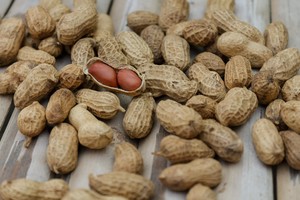
- Peanuts: About 28 individual nuts.
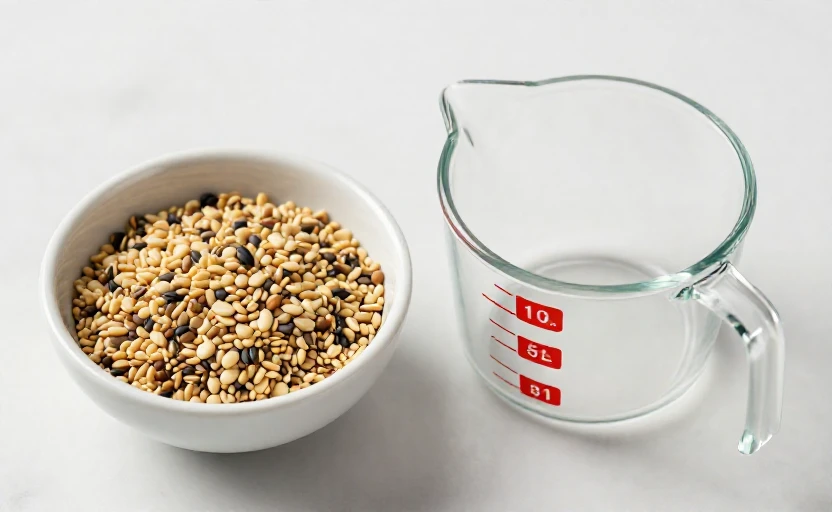
- Whole shelled pumpkin or sunflower seeds: About one-quarter cup, or a generous palmful.
For nut and seed butters, a serving is typically two tablespoons. This is about the size of a ping-pong ball or the amount that would fit in a standard medicine cup.
Practical strategies for mindful eating
Knowing the serving size is one thing; putting it into practice is another. These simple strategies can help you build a sustainable habit.
Pre-portion your snacks
Instead of eating straight from the bag or jar, take a moment to measure out a single serving into a small bowl or container. This creates a natural stopping point and prevents mindless overeating. You can even pre-portion a week’s worth of snacks into small reusable containers or bags for grab-and-go convenience.
Use them as an accent, not the main event
One of the best ways to enjoy nuts and seeds is to use a measured portion to enhance other foods. Sprinkle a tablespoon of sliced almonds over your oatmeal or yogurt. Toss a few walnuts into a salad. Add a sprinkle of chia or flax seeds to your smoothie. This distributes their rich flavor and texture while keeping the overall quantity in check.
Listen to your hunger cues
Are you eating because you’re truly hungry, or out of habit or boredom? Before reaching for a snack, pause for a glass of water. Sometimes thirst masquerades as hunger. If you are hungry, enjoy your pre-portioned nuts or seeds slowly, savoring each one, rather than rushing through them.
Choosing the best options
What you buy matters as much as how much you eat. When shopping, look for raw or dry-roasted varieties without added oils. Avoid those coated in sugar, candy shells, or heavy salt. A light sprinkle of sea salt is fine for most people, but “honey roasted” or “chili lime” flavors often come with unwanted added sugars and sodium.
Opting for nuts still in their shells, like pistachios or peanuts, can naturally slow down your eating pace, giving your brain time to register fullness. Variety is also beneficial—rotating between almonds, walnuts, cashews, and seeds like pumpkin and sunflower ensures a broader range of nutrients.
By embracing these simple portion guidelines, you transform nuts and seeds from a potential dietary pitfall into a reliable, health-supporting staple. It’s a small shift in approach that yields significant rewards for your overall well-being.