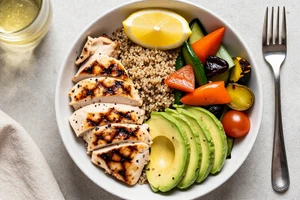

You measure your chicken breast. You portion out your brown rice. You even weigh the avocado for your salad. But when you squeeze that ribbon of sriracha mayo across your bowl or drizzle the “healthy” balsamic glaze over your greens, do you log it? For most of us, the answer is a clean no. That tiny oversight, repeated day after day, is one of the most common—and overlooked—reasons a carefully planned diet can stall.
Condiments, sauces, and dressings are the silent saboteurs of calorie tracking. They slide under the radar because they are small, they seem inconsequential, and we have been conditioned to believe that anything that tastes that good must be a negligible addition. The reality is that many popular condiments pack a surprising caloric and nutritional punch. Ignoring them can easily add hundreds of unaccounted calories to your daily intake, turning a well-structured meal plan into a guessing game.
Why a Spoonful of Sauce Matters More Than You Think
The problem is not that you are eating a tablespoon of ketchup. It is the cumulative effect of multiple unlogged items. A single tablespoon of classic mayonnaise contains roughly 90–100 calories and 10 grams of fat. Ranch dressing? About 70 calories per tablespoon. That “light” vinaigrette at the restaurant might still deliver 40–50 calories per serving. Now, consider that you might use two tablespoons of dressing on your lunch salad, a tablespoon of aioli on your dinner protein, and a squirt of ketchup or BBQ sauce on your eggs.
The math is sobering: those three condiments alone can add 200–300 calories to your day. Over a week, that is over a thousand unaccounted calories—enough to erase the deficit you worked so hard to create.
The Usual Suspects: Condiments with the Highest Hidden Calories
While being aware is the first step, knowing which ones demand your attention helps. Not all condiments are equal offenders. Some are essentially harmless in normal quantities, while others are concentrated sources of oil, sugar, or both.
Oil-Based Dressings and Mayonnaise
Mayonnaise is the heavyweight champion of hidden condiment calories. Because it is an emulsion of oil and egg yolk, it is calorie-dense by volume. This category also includes aioli, tartar sauce, and creamy coleslaw dressing. Even “light” or “low-fat” versions are not calorie-free; they often replace fat with sugar or starch to maintain texture, so they still need to be counted.
Sweet and Sticky Sauces
Barbecue sauce, honey mustard, teriyaki glaze, sweet chili sauce, and hoisin are sugar bombs in disguise. A typical serving of barbecue sauce contains 6–10 grams of sugar per tablespoon. While that may not sound immense, consider how much you actually use when you coat a piece of chicken or dip fries. Ketchup is also a surprising source of sugar, though its calorie count per serving is lower because it has a higher water and vinegar content.
Creamy Salad Dressings
Ranch, blue cheese, Caesar, and Thousand Island are the classic diet traps. They are delicious, which means we often use more than a standard serving size. A restaurant side of ranch dressing can easily be 3 tablespoons (around 200 calories). Opting for a vinaigrette can help, but even those are oil-based—a standard vinaigrette hovers around 60–80 calories per tablespoon.
How This Habit Derails Your Weight Loss Goals
Forgetting to log condiments does not just affect the day’s total calorie count. It creates a psychological blind spot. When you see a meal that logs at 450 calories, you feel satisfied. But if you are not counting the 120 calories from the ranch dressing you used, your actual intake is closer to 570 calories. Over time, this small, consistent discrepancy can shrink your calorie deficit significantly, turning a planned one-pound-per-week loss into a much slower rate—or a plateau.
Furthermore, the sugars and fats in these condiments can influence satiety and cravings. High-sugar sauces can create blood sugar spikes followed by crashes, leading to hunger a few hours later. The high fat content in creamy dressings, while not inherently bad, adds density without volume, meaning you can consume hundreds of calories without feeling more full.
Practical Strategies for Accurate Tracking
The goal here is not to villainize condiments. Flavor is a crucial part of enjoying food and sustaining a healthy eating pattern. The goal is to bring them into awareness so you can make informed choices. Here are a few straightforward tactics that can help.
- Pre-measure your pour. Before you drizzle, measure. Use measuring spoons for dressings and sauces. A quick trick is to dip your fork into the dressing rather than pouring it directly over the salad. This dramatically reduces the amount you consume while still giving you flavor in every bite.
- Log before you eat. Enter the condiment into your tracking app at the same time you log the rest of the meal. Treat it like an ingredient, not an afterthought. This small shift in habit makes a big difference in accuracy.
- Choose lower-calorie alternatives. Mustard (yellow, Dijon, or spicy brown) is a flavor powerhouse with virtually no calories. Hot sauce, vinegar, salsa, and fresh lemon or lime juice are also excellent, low-calorie flavor boosters. Greek yogurt can replace mayonnaise or sour cream in many recipes for a creamy texture with far fewer calories and more protein.
- Be wary of “healthy” labels. “Organic,” “natural,” and “no artificial preservatives” do not mean low-calorie. A certified organic ranch dressing still contains oil and sugar. Always check the nutrition label on the back, not the marketing claims on the front.
When You Do Not Have a Nutrition Label
Restaurants are the biggest trap. That vinaigrette on your lunch salad might be house-made and packed with oil. That glaze on your salmon could be loaded with brown sugar. When dining out, ask for dressings and sauces on the side. This gives you control over the quantity. A safe estimate, if you must guess, is to assume two tablespoons of any creamy or sweet sauce contains around 150 calories. Add that as a generic line item in your log. It is better to overestimate slightly than to ignore it entirely.
Tracking your food is a powerful tool for understanding your eating habits. But that tool is only as good as the data you put into it. Leaving out condiments is like leaving a receipt out of your budget—you are not seeing the full picture. By giving these small but potent calorie sources the attention they deserve, you gain back the accuracy you need to see real, predictable progress. Awareness, not elimination, is the answer. Log the sauce. You will be glad you did.