
You’ve likely heard the advice to start your day with a healthy breakfast. But sometimes, in our effort to make that meal satisfying and quick, we reach for a common ingredient that can quietly undermine our goals. It’s not about skipping fat entirely—healthy fats are crucial—but about choosing the wrong source at the wrong time.
This subtle mistake often involves reaching for highly processed spreads or cooking fats that are high in saturated or trans fats, thinking they’re a harmless way to add flavor and texture to toast, eggs, or pancakes. The result is a breakfast that may kickstart your day with inflammation and less-than-ideal energy, rather than the sustained fuel you need.
What Is This Common Breakfast Fat Mistake?
The mistake isn't eating fat for breakfast. It's specifically relying on fats from heavily processed sources that offer little nutritional benefit beyond calories. Think of margarines with hydrogenated oils, certain creamy spreads, or using low-quality oils for frying breakfast foods. These fats are often chosen for convenience and taste but lack the supportive nutrients found in whole-food fat sources.
These processed fats can be pro-inflammatory and may not support stable blood sugar levels, which is a key goal for a morning meal. They fill the “fat” slot in your breakfast without delivering the accompanying vitamins, antioxidants, or fatty acid profiles that truly nourish your body.
Why Your Breakfast Fat Choice Matters
The first meal sets a metabolic tone for the hours that follow. A breakfast built on poor-quality fats can lead to a quicker energy crash, increased hunger mid-morning, and doesn't provide the building blocks your brain and cells need to function optimally.
The right fats help you absorb fat-soluble vitamins from other breakfast foods and keep you feeling full and focused.
In contrast, incorporating healthy fats from whole or minimally processed sources supports cellular health, hormone production, and can even help manage cravings later in the day. It’s a foundational choice that influences more than just that single meal.
Simple Swaps for a Healthier Morning
Transforming your breakfast doesn’t require a complete overhaul. It’s about mindful substitutions that enhance nutrition without sacrificing enjoyment.
Instead of Processed Spreads
Swap out margarine or spreads with a long list of unrecognizable ingredients. Try these on whole-grain toast or muffins:
- Avocado: Mashed with a pinch of salt and pepper for creamy, fiber-rich fats.
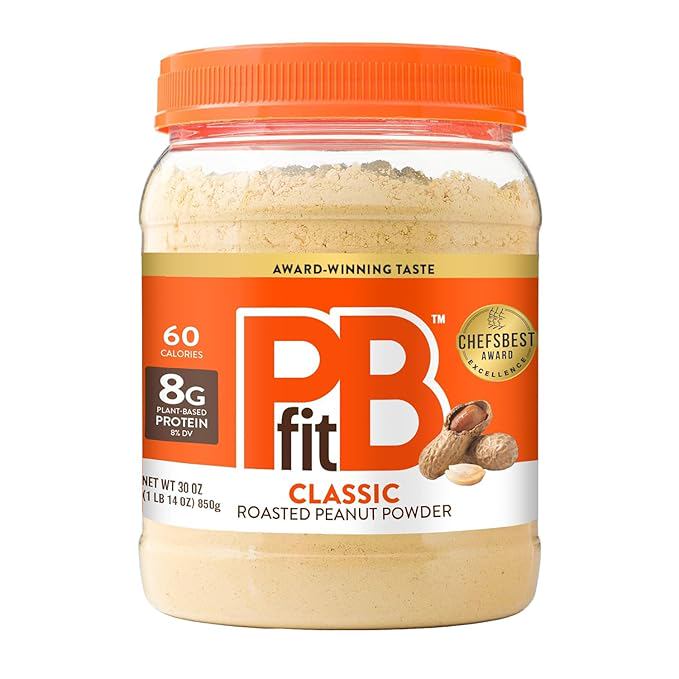
- Nut or Seed Butter: Look for options with just nuts/seeds and maybe salt. Almond, peanut, or tahini offer protein and healthy fats.
- Hummus: A savory option packed with protein and fiber from chickpeas.
Instead of Low-Quality Cooking Oils
When cooking eggs or vegetables, be selective with your oil. Avoid reused oils or those not suited for medium heat.
- For light sautéing, use extra virgin olive oil or avocado oil, which are stable at moderate temperatures and rich in monounsaturated fats.
- For a flavor boost without cooking, drizzle flaxseed oil or toasted sesame oil over finished dishes.
Instead of Sugary Creamers
Many non-dairy creamers or flavored dairy creamers are high in sugar and use processed oils like palm or soybean oil. Healthier ways to cream your coffee or tea include:
- A splash of whole milk or oat milk.
- A spoonful of coconut cream for rich, medium-chain triglycerides.
- Blending your coffee with a small piece of grass-fed butter or ghee for a frothy, satisfying drink.
Building a Balanced Breakfast with Good Fats
Aim for a combination that includes protein, fiber, and healthy fats. This trio digests slowly, providing steady energy. Here are a few ideas:
- A veggie omelet cooked in olive oil, with a side of avocado.
- Full-fat plain Greek yogurt topped with nuts, seeds, and berries.
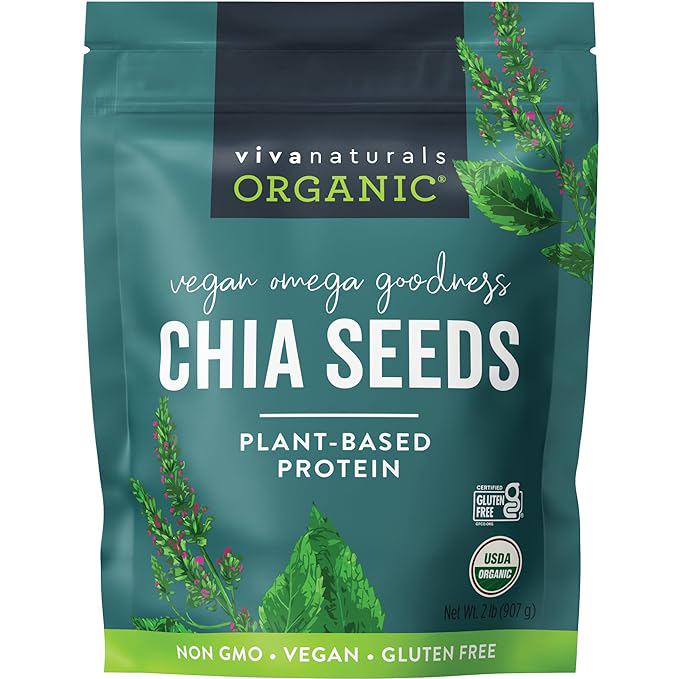
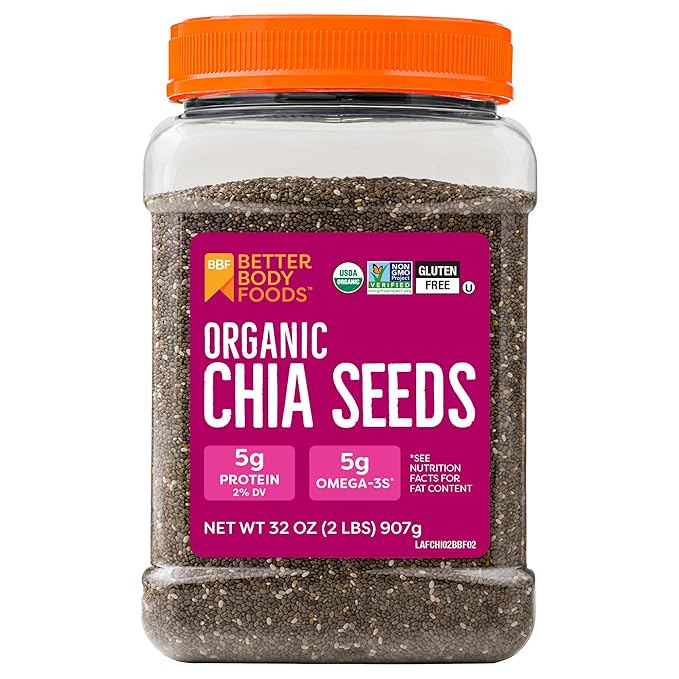
- Overnight oats made with chia seeds, almond butter, and fruit.
The goal is to be intentional. Read labels on packaged breakfast items like granola, breakfast bars, and pastries, where unhealthy fats often hide. Look for sources like nuts, seeds, olive oil, or avocado oil in the ingredients, rather than “partially hydrogenated oils” or “palm kernel oil.”
Correcting the healthy fat mistake at breakfast is a small shift with potential for significant impact. It moves you from passive consumption to active nourishment, ensuring the first fuel of your day truly supports your well-being. By choosing whole-food fats, you’re not just avoiding something negative—you’re proactively giving your body the quality resources it needs to thrive from morning onward.