It is tempting to cut corners when you are short on time. You walk into the gym, glance at the clock, and decide to skip the warm-up to get straight to the heavy lifting. In that moment, it feels efficient. Over time, however, this habit rewires how your muscles respond to stress and repair afterward. The cost is not just a pulled muscle—it is a chronic drag on your recovery that can stall progress in ways you might not connect back to those first five minutes.
1. Your Muscles Stay in a Fragile State Longer
A proper warm-up does more than raise your core temperature. It gradually stretches the fascia and connective tissue surrounding your muscle fibers, allowing them to slide smoothly during contractions. When you skip this step, you start your workout with cold, stiff tissue. Think of it like trying to bend a frozen rubber band instead of a warm one. The micro-tears that happen naturally during strength training become more numerous and more jagged. Instead of clean, repairable damage, you create tissue disruption that takes additional days to clear. Research consistently shows that athletes who perform a sport-specific warm-up report lower perceived soreness and return to baseline strength faster than those who dive straight into maximal loads.
Cold muscles absorb shock poorly. Each rep sends force through unprepared fibers, generating inflammation that lingers long after your cool-down.
2. Blood Flow Diversion Delays Nutrient Delivery
Recovery depends on circulation. After a workout, your body shunts oxygen, amino acids, and anti-inflammatory compounds to the exercised muscles to rebuild damaged tissue. A dynamic warm-up—think leg swings, arm circles, or light jogging—gradually dilates blood vessels and increases cardiac output. It primes the network so that the moment you finish your last set, delivery trucks are already rolling. Without that priming, your cardiovascular system has to scramble to redirect flow after the fact. This lag means your muscles sit in a partially starved state for the first critical hours post-exercise. Over weeks, the cumulative deficit can reduce protein synthesis and slow the repair of type II muscle fibers, the ones responsible for strength and power gains.
The role of vasodilation
When you warm up, the endothelial lining of your blood vessels releases nitric oxide, which relaxes the vessel walls. This is not automatic—it requires a few minutes of gentle movement. Skipping the warm-up skips the vasodilation, leaving muscles dependent on baseline circulation that is inadequate for recovery demands.
3. Altered Motor Recruitment Patterns Increase Injury Risk
Your nervous system coordinates muscle contraction through a process called motor unit recruitment. During a warm-up, low-intensity movement activates small, fatigue-resistant motor units first, then progressively larger, more powerful units as intensity rises. This orderly recruitment teaches your brain which muscles to fire and in what sequence. Without it, you lose that neuromuscular rehearsal. You might load a barbell with your quadriceps doing most of the work while your glutes and hamstrings stay partially disengaged. The resulting imbalance concentrates force unevenly across the joint. That asymmetry does not just risk an acute tear—it also forces certain muscles to overwork during the session and then under-recover afterward, because the tissue that took the brunt of the load was not conditioned to handle it.
- Quad-dominant lifting after skipping a warm-up commonly leads to patellar tendon strain.
- Deadlifts without glute activation shift load to the lumbar erectors, which then need days to recover from a single set.
4. Delayed Onset Muscle Soreness Intensifies and Lasts Longer
Delayed onset muscle soreness (DOMS) is a normal part of strength training. But the intensity and duration of DOMS are not fixed—they depend heavily on how abruptly you impose stress. A warm-up prepares your muscle fibers for eccentric contractions, the lowering phase of a lift that causes the most micro-damage. When your muscles are cold, eccentric loading produces more sarcomere disruption per repetition. The result is DOMS that peaks harder at the 48-hour mark and sometimes lingers into day four or five. This extended soreness discourages you from training that muscle group as frequently, which actually undermines recovery adaptations. Muscles recover best when they receive regular, moderate stimulation, not when they are flogged once and then left to sit in pain for nearly a week.
Practical Ways to Build a Warm-Up Habit
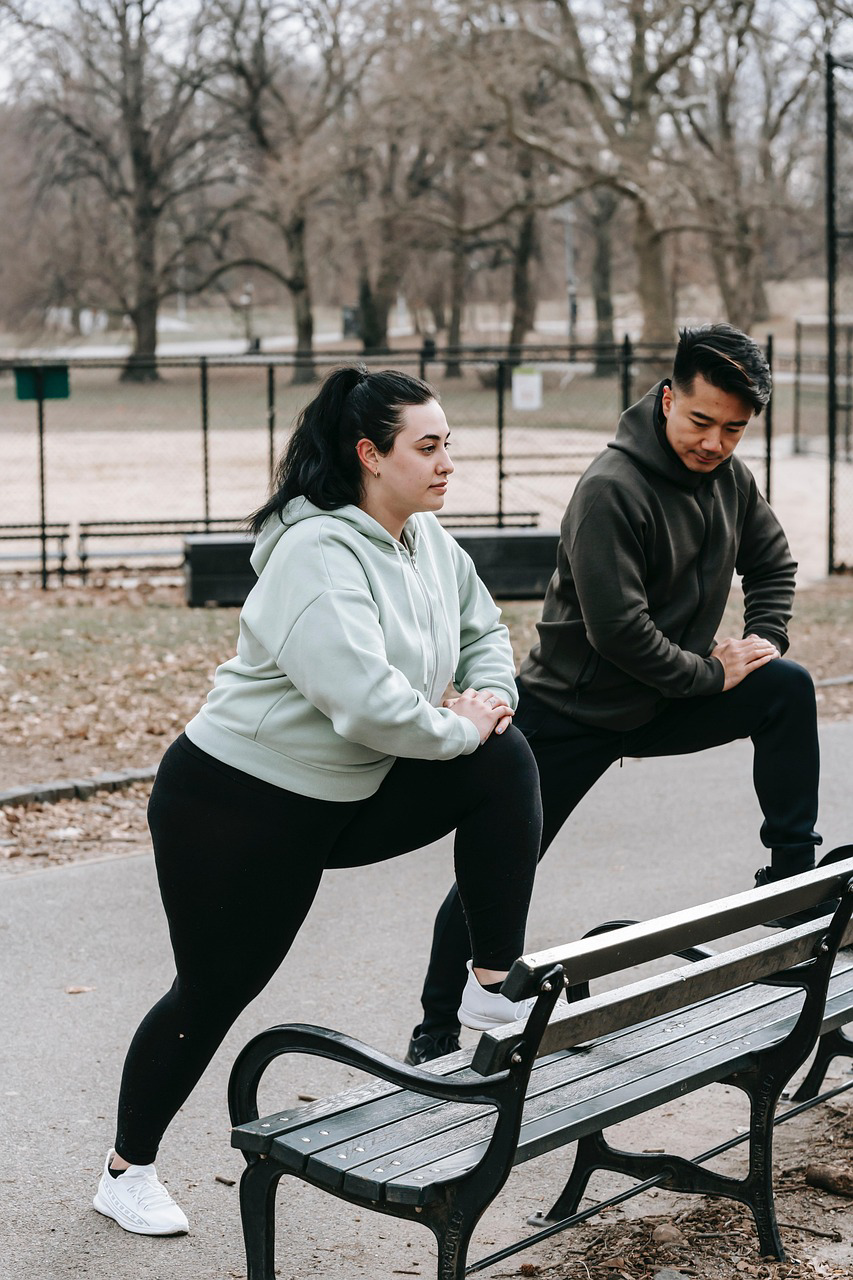
The best warm-up is the one you will actually do. Aim for five to ten minutes of movement that mimics your main exercise but at lower intensity. For strength training, this might mean bodyweight squats, banded glute bridges, arm circles, and a few light warm-up sets of your first exercise. Do not overthink it. The goal is to raise your heart rate, increase synovial fluid in the joints, and nudge your nervous system into the right state. If you consistently skip warm-ups because they feel boring, pair them with something you enjoy—a good playlist, a view of the gym floor, or a quick mobility drill that feels satisfying. The small investment of time pays back in fewer missed sessions and more consistent progress.