You've swapped your regular cooking oil for a cold-pressed, extra-virgin option, expecting a bounty of polyphenols and heart-healthy fats. You're sautéing vegetables, drizzling salads, and feeling good about your choices. But there's a common kitchen habit that could be silently stripping away those precious nutrients before they ever reach your plate. The culprit might be something you never suspected: the high-fiber foods you're cooking with.
The interaction between fiber and the beneficial compounds in your oil is more complex than most of us realize. Understanding this dynamic can help you protect the nutritional value of both your oil and your meal.
Why Your Cooking Oil's Health Benefits Depend on Timing
High-quality cooking oils like extra-virgin olive oil, avocado oil, and flaxseed oil are prized for their antioxidant content, particularly polyphenols. These compounds are sensitive to heat, light, and oxygen. What's less discussed is how the physical structure of certain foods affects the absorption and stability of these delicate nutrients.
Soluble fiber, found in foods like oats, beans, lentils, and certain vegetables, can act like a sponge. When you cook these high-fiber ingredients in oil, the fiber can absorb a significant portion of the oil. This isn't necessarily a problem for flavor, but it can be a problem for your health goals. The oil that gets trapped inside the fiber may become less bioavailable—your body might not be able to access those beneficial polyphenols and fatty acids as easily.
Quick tip: To maximize the nutritional benefits of your oil, consider adding it after cooking, especially when preparing high-fiber dishes like lentil stews or oatmeal.
The Mechanical Mistake: Overheating Oil with Fiber-Rich Foods
Another aspect of this mistake is the cooking temperature. When you add oil to a hot pan that already contains fibrous vegetables or whole grains, the oil can heat unevenly. The fiber-rich food can create hot spots, causing the oil to reach its smoke point faster in certain areas. Once an oil reaches its smoke point, its beneficial compounds begin to break down, and potentially harmful compounds can form.
This is particularly relevant for oils with lower smoke points, such as flaxseed or walnut oil. If you're sautéing onions, bell peppers, and other fibrous vegetables, the oil may degrade before the food is properly cooked, robbing you of the very nutrients you were seeking.
A Better Approach for High-Heat Cooking
- Use oils with higher smoke points (like avocado or refined coconut oil) for actual cooking, and reserve your delicate, polyphenol-rich oils for finishing dishes.
- Add oil to the pan first and let it warm gently before adding your ingredients. This helps the oil heat evenly.
- Stir frequently to prevent any single portion of the oil from overheating against a piece of fibrous food.
How the Fiber-Oil Interaction Affects Your Digestion
The mistake isn't just about the oil's stability during cooking. It also involves how your body processes the meal. Soluble fiber forms a gel-like substance in your digestive tract. This gel can trap fat molecules, including the healthy fats from your oil, and reduce their absorption. While this is often touted as a benefit for cholesterol management (since it can help excrete some dietary cholesterol), it can also mean you're absorbing fewer of the fat-soluble vitamins (A, D, E, and K) and antioxidants present in your oil.
If you're intentionally using a high-quality oil for its vitamin E or polyphenol content, pairing it with an excessively high-fiber meal might mean those compounds pass through your system without being fully utilized. This is not to say you should avoid fiber—far from it. Fiber is essential for digestive health. The key is timing and preparation.
Practical Solutions to Preserve Oil Nutrients
You do not need to choose between fiber and healthy fats. The solution is simple and easily integrated into your cooking routine.
Drizzle, don't drown, during cooking. Use a minimal amount of oil for the actual cooking process. Save your most nutrient-dense oil for after the dish is off the heat. A generous drizzle of raw, unfiltered olive oil over a finished bowl of lentil soup or roasted vegetables preserves the oil's volatile compounds and provides a fresher, more vibrant flavor.
Consider the order of ingredients. When making a stir-fry or sauté, start with a small amount of oil in a medium-hot pan. Add your aromatics and lower-fiber vegetables first (like mushrooms or zucchini). Once those are nearly done, add your higher-fiber ingredients (like bell peppers or broccoli) and cook briefly before removing from heat. This limits the time the oil spends interacting with the fiber.
Pair smartly. If a meal is naturally very high in soluble fiber (say, a chickpea and oat dish), consider using a lighter hand with your cooking oil and relying on a post-cooking dressing or drizzle for your healthy fats and flavor.
Common Questions About Fiber and Cooking Oil
Does fiber destroy the antioxidants in cooking oil?
Fiber does not chemically destroy antioxidants in the way that prolonged high heat does. Instead, it can physically bind to oil and reduce the bioavailability of the oil's beneficial compounds. The antioxidants remain in the food, but your body may not absorb them as efficiently.
Should I stop eating high-fiber foods with oil altogether?
Absolutely not. Both fiber and healthy fats are crucial components of a balanced diet. The goal is not to eliminate either, but to be mindful of how you combine and cook them. Using oil as a finishing element rather than solely a cooking medium is often the best approach for preserving its nutritional value.
Is this mistake limited to olive oil?
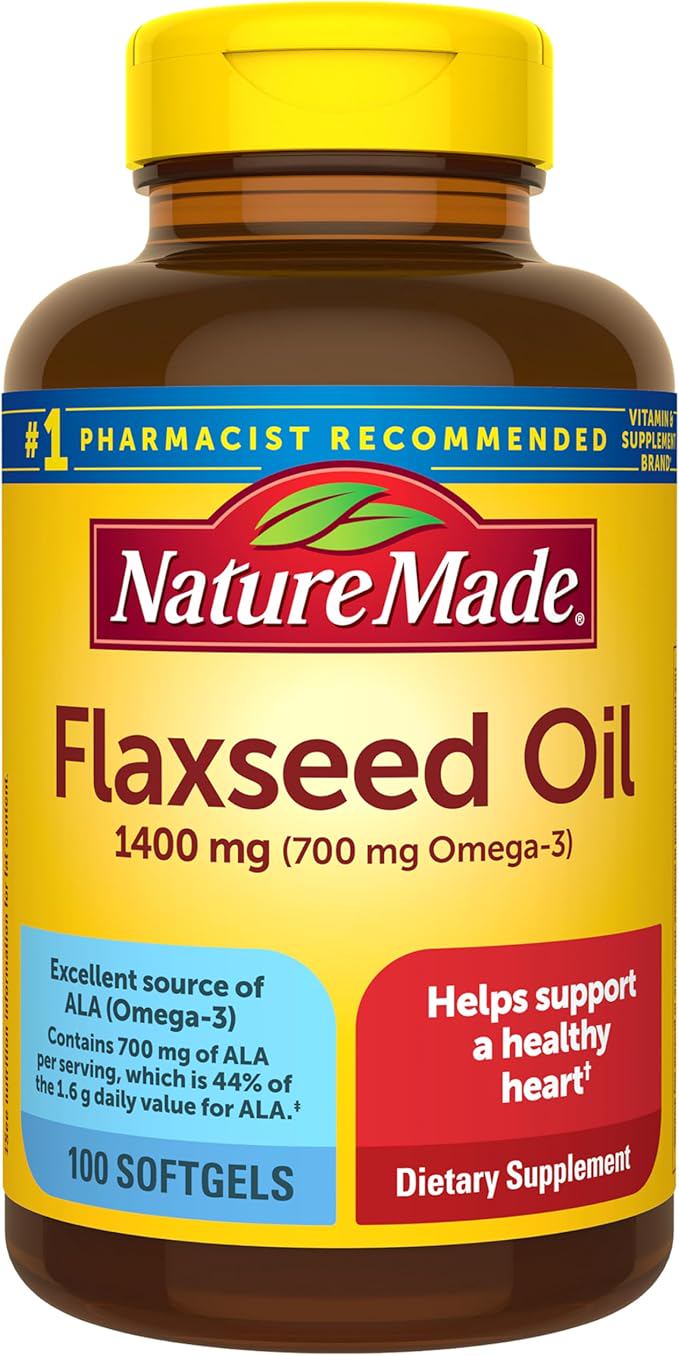
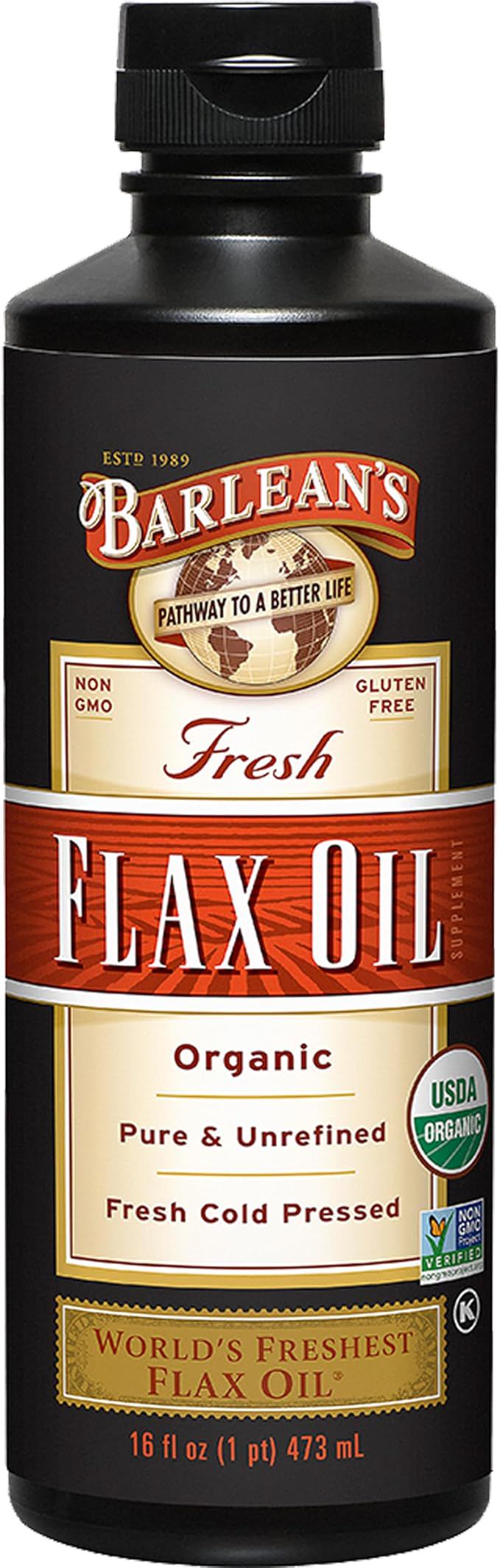
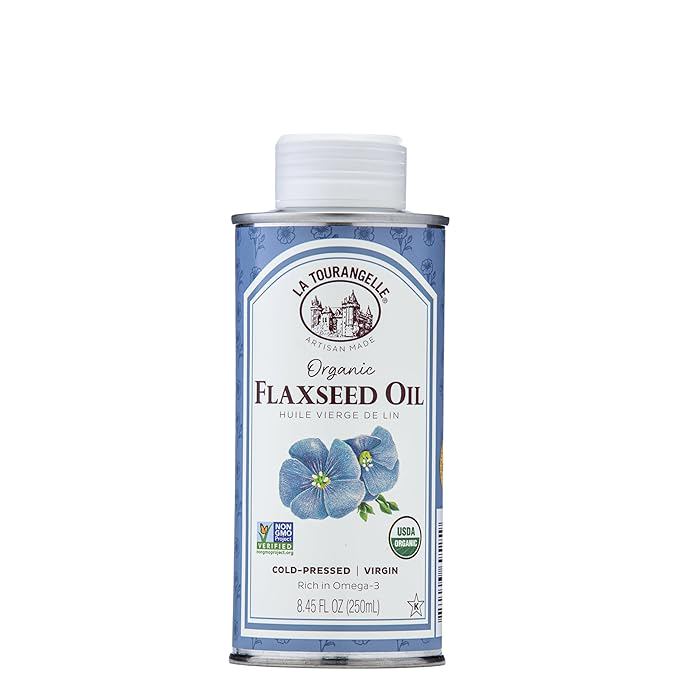
No. The principle applies to any cooking oil rich in heat-sensitive compounds, including avocado oil, walnut oil, flaxseed oil, and even unrefined coconut oil. Oils that are more refined and have higher smoke points are less affected by this particular interaction, but they also contain fewer beneficial nutrients to begin with.
Does this mean I should avoid cooking oil when making oatmeal or bean dishes?
Not at all. A small amount of oil or fat can actually aid in the cooking of grains and legumes by improving texture and helping the body absorb fat-soluble nutrients from the other ingredients. The key is to add your most nutrient-dense oil after cooking, not during the boiling or simmering process. For oatmeal, try stirring in a teaspoon of flax or olive oil after it's off the heat.