Most of us have been told at some point that drinking eight glasses of water a day is the gold standard for hydration. But sipping water all day isn't the only—or even the most effective—way to keep your body properly hydrated. Health experts are increasingly pointing to a simple, food-first strategy that fits naturally into a normal eating routine.
The idea is straightforward: eat your water. Many fruits and vegetables have a water content above 90 percent, and they deliver electrolytes, vitamins, and fiber that plain water cannot. By including these high-water foods in meals and snacks throughout the day, you can maintain good hydration without forcing down glass after glass.
Why eating water-rich foods works better than gulping
When you drink a large volume of water quickly, a lot of it passes through the kidneys and out of the body before your cells can actually use it. Water that comes bound inside the cell walls of fruits and vegetables is absorbed more slowly and steadily. This gradual release gives your body more time to distribute the fluid where it is needed.
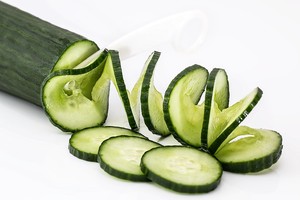
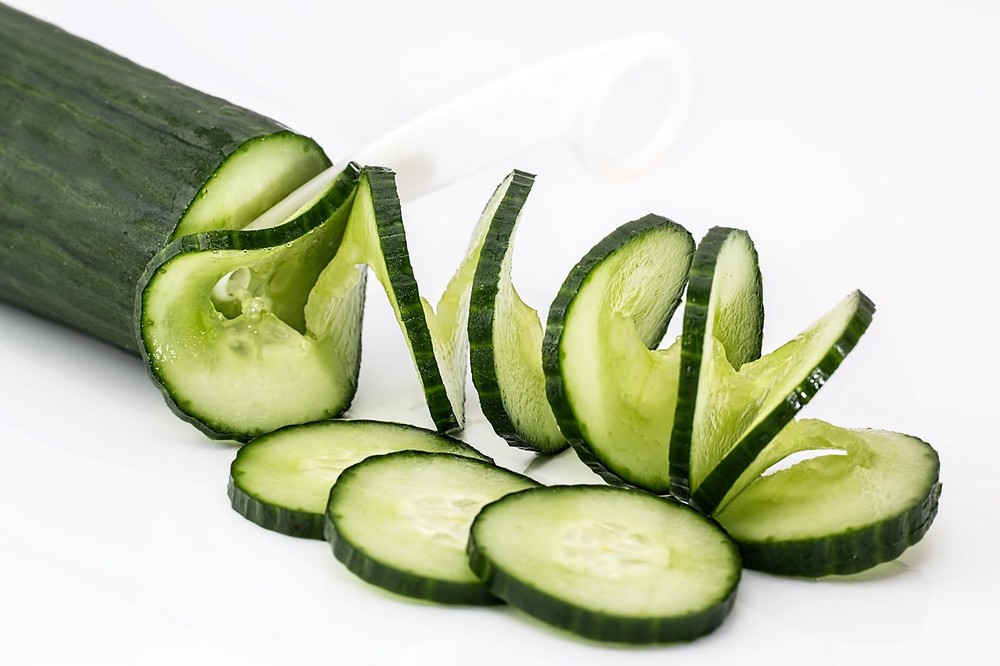
Registered dietitians often point out that water-rich foods also provide electrolytes such as potassium and magnesium. These minerals help regulate fluid balance at the cellular level. Plain water, by contrast, contains no electrolytes. That is why a cucumber or a slice of watermelon can be more hydrating, ounce for ounce, than the same volume of tap water.
How much hydration can you really get from food?
Roughly 20 to 30 percent of your daily water intake typically comes from food, according to the National Academies of Sciences, Engineering, and Medicine. People who eat a diet rich in vegetables and fruit may get even more. For example, a medium cucumber is about 96 percent water and provides close to a cup of fluid. A large orange provides roughly half a cup of water plus vitamin C and fiber.
A simple shift: swap one afternoon snack for a cup of melon or a bowl of berries. That single swap can add four to six ounces of pre-hydrating fluid to your day.
Practical ways to add high-water foods to your day
You do not need to overhaul your entire diet. The key is to include at least one water-dense food at each meal and to choose snacks that double as hydration sources. Below are some easy, expert-backed ideas.
- Breakfast: Add sliced strawberries or a handful of blueberries to oatmeal or yogurt. A grapefruit half with a sprinkle of salt can also kick-start morning hydration.
- Lunch: Build your salad around lettuce, cucumber, bell peppers, and tomatoes. A broth-based soup (not cream-based) is another excellent way to get fluid and electrolytes in one bowl.
- Snacks: Celery sticks, cherry tomatoes, watermelon cubes, or a small bowl of grapes all work. Pair them with hummus or nut butter for staying power.
- Dinner: Steam zucchini, summer squash, or spinach. Roast cauliflower or broccoli with a little olive oil and seasoning—they still retain plenty of moisture.
Which foods are the most hydrating?
Not all produce is equal when it comes to water content. The following foods are at the top of the list, with a water content of 90 percent or higher:
- Cucumber (96%)
- Iceberg lettuce (96%)
- Celery (95%)
- Radishes (95%)
- Zucchini (94%)
- Watermelon (92%)
- Tomatoes (94%)
- Bell peppers (92%)
- Cantaloupe (90%)
- Strawberries (91%)
These foods are also low in calories, so they support hydration without contributing to excess calorie intake—a useful consideration for anyone managing weight or blood sugar.
What about people who struggle to drink enough water?
Older adults, people with certain medical conditions, and those who simply dislike the taste of plain water often find it difficult to stay hydrated. For them, water-rich foods offer a practical solution. A 2016 study in the Journal of Human Nutrition and Dietetics found that increasing intake of fruits and vegetables was linked to better hydration status in older adults, even when their fluid intake from beverages remained modest.
Additionally, many people feel full when they drink large amounts of water, which can suppress appetite or cause discomfort. Eating water-packed foods allows hydration to happen naturally alongside nutrition, without the feeling of being waterlogged.
Can you rely on food alone for hydration?
For most healthy people, no. The body still needs plain fluids to function at its best, especially during exercise, hot weather, or illness. But food can cover a meaningful portion of daily needs. The eat-your-water approach works best as a complement to drinking, not a complete replacement.
A reasonable goal is to aim for two to three servings of water-rich produce at each meal, plus one hydrating snack. That alone can deliver 20 to 30 ounces of water—roughly equivalent to three to four glasses—without ever picking up a glass.
If you are looking for a small, sustainable change that supports hydration, this is one of the simplest. It does not require tracking ounces or setting phone reminders. Just put more crisp, colorful, water-filled foods on your plate. Your body will handle the rest.