
Summer heat can make it tough to stay hydrated even when you're diligent about drinking water. But hydration isn't only about liquid intake—what you eat matters just as much. Dietitians point to simple food swaps that can increase your water intake without requiring you to carry a jug everywhere. These swaps add moisture-rich ingredients to your plate, helping your body stay cool and balanced during the hottest months.
Instead of reaching for salty snacks or dense grains that can leave you feeling parched, try replacing them with whole foods that have high water content. Here are four easy, dietitian-approved swaps that can boost hydration this summer.
Swap Your Morning Toast for a Bowl of Melon
That slice of whole-grain toast with nut butter? It's a solid breakfast, but it contains very little water. Replace it with a bowl of watermelon, cantaloupe, or honeydew. These melons are over 90 percent water. They also provide electrolytes like potassium and magnesium that help your body retain fluid. For an extra cooling effect, toss in a few mint leaves or a squeeze of lime. You get hydration first thing without having to gulp a glass of water alongside your meal.
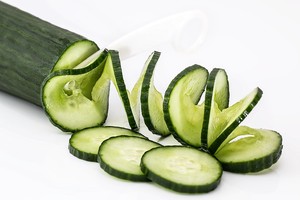
Trade Salty Chips for Cucumber Slices with Hummus
Afternoon snack cravings often lead to salty, processed chips—and salt can actually pull water out of your cells. Instead, slice a cucumber and pair it with a serving of hummus. Cucumbers are among the most hydrating vegetables, with a water content around 96 percent. The hummus adds protein and fiber to keep you full, while the cucumber replaces the sodium overload with actual fluid. It's a crunchy swap that works better for your hydration balance.
Replace Pasta with Zucchini Noodles
A heavy pasta dish can feel sluggish in summer heat. Zucchini noodles—often called "zoodles"—offer a lighter alternative. Zucchini is about 94 percent water, so a generous serving contributes meaningful fluid intake without adding many calories. Top it with a simple tomato sauce and grilled vegetables, and you've replaced a dense starch with a hydrating base. Your body gets the volume it craves without the post-meal dehydration that sometimes follows a high-carb meal.
Choose Chilled Berries Over Dried Fruit
Dried fruit is a convenient snack, but the dehydration process removes most of the water. Fresh berries—strawberries, blueberries, and raspberries—are packed with water and antioxidants. Strawberries, for instance, are about 91 percent water. Keep a bowl of chilled berries in the fridge for a hydrating treat that also delivers vitamin C and fiber. If you're used to snacking on dried mango or raisins, this swap gives you similar sweetness with markedly more hydration per bite.
Dietitian tip: Many people overlook the fact that food can supply up to 20 percent of your daily water needs. Choosing water-rich produce is one of the simplest ways to support hydration during summer.
You don't have to overhaul your entire diet to stay hydrated this season. Small, intentional swaps—toast for melon, chips for cucumbers, pasta for zucchini noodles, dried fruit for fresh berries—add up over the course of a day. They help you maintain energy, support digestion, and keep your body cool. And since these foods are naturally hydrating, you won't need to rely solely on water bottles to meet your fluid goals.