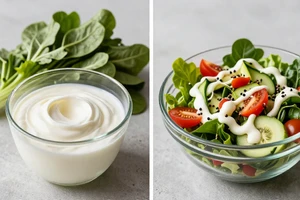
You already know calcium is important for strong bones and teeth, but did you know that the way you eat can dramatically change how much of that calcium your body actually uses? It’s not just about drinking more milk or taking a supplement. There is a simple, expert-backed daily habit that can significantly boost calcium absorption without changing what you buy at the grocery store.
The secret lies in not eating calcium-rich foods alone. Instead, the most effective strategy is to pair them strategically with other nutrients and to pay attention to how you structure your meals. This habit is so straightforward that you can start using it today.
What is the single habit that boosts calcium absorption?
The habit is simple: Always pair calcium-rich foods with a source of vitamin D and, when possible, a source of vitamin K2 and magnesium. You can’t just consume calcium and expect it to go straight to your bones. It’s a team sport. Vitamin D acts like a key that unlocks the door for calcium to move from your digestive tract into your bloodstream. Without enough vitamin D, much of the calcium you eat simply passes through your system, no matter how much you consume.
Many people assume they get enough vitamin D from sunlight, but modern indoor lifestyles and the use of sunscreen often mean we are deficient. This daily pairing habit corrects that disconnect. Think of it as nutrient synergy—you are deliberately creating meals where the body can use every mineral and vitamin together.
How does vitamin D actually help calcium absorption?
When you eat calcium, it enters your stomach and then moves to the small intestine. Here, vitamin D (specifically its active form, calcitriol) steps in to stimulate the production of a protein called calbindin. Calbindin binds to calcium molecules and transports them across the intestinal wall and into your bloodstream. Without adequate vitamin D, this transport system slows to a crawl, and your kidneys excrete the calcium instead of keeping it.
According to the Journal of Steroid Biochemistry and Molecular Biology, even a modest increase in vitamin D levels can improve calcium absorption efficiency by as much as 30–40%. This is why simply adding a glass of fortified milk to your breakfast isn't enough if you haven't also considered your vitamin D status.
Practical ways to pair calcium and vitamin D every day
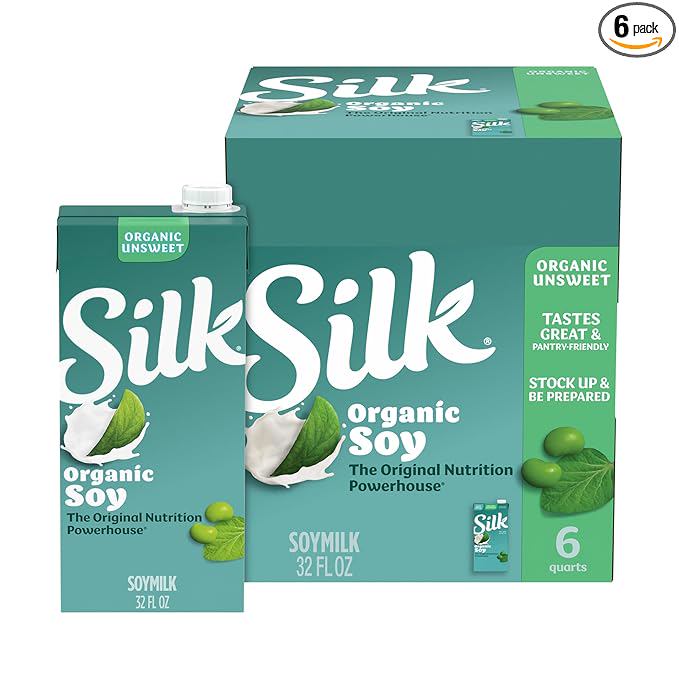
- Breakfast pairing: Have a bowl of fortified oatmeal or whole-grain cereal (calcium) with a glass of fortified orange juice (vitamin D).
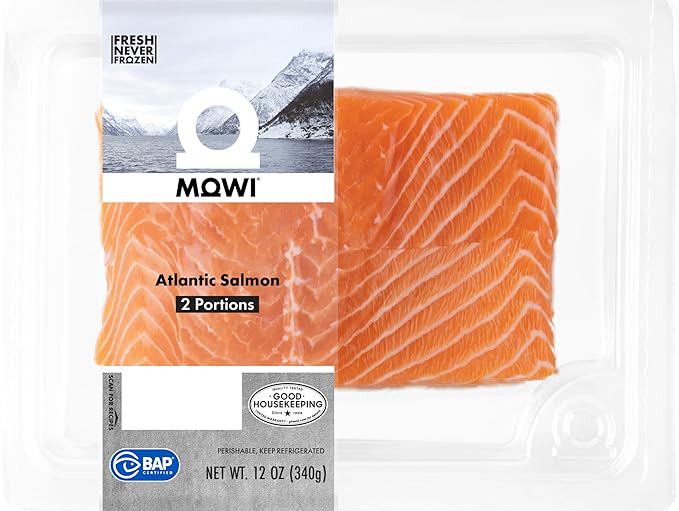
- Lunch combo: Enjoy a spinach and kale salad with grilled salmon. Salmon provides both vitamin D and calcium, while the leafy greens add more calcium.
- Snack smart: Pair plain yogurt (calcium) with a handful of almonds. Yogurt is often fortified with vitamin D, and almonds provide magnesium, another helper for bone health.
- Evening meal: Have a stir-fry with tofu (calcium) and a side of mushrooms exposed to UV light, which are the only natural plant source of vitamin D.
Why vitamin K2 and magnesium matter, too
Vitamin D and calcium are the headline act, but vitamin K2 and magnesium are the essential backstage crew. Vitamin K2 activates proteins like osteocalcin, which effectively “glues” calcium into the bone matrix, ensuring that the calcium you absorbed actually ends up in your skeleton and not in your arteries. Magnesium is required to convert vitamin D into its active form in the first place. Without magnesium, your body cannot properly use the vitamin D you consume.
Magnesium and vitamin K2 are the hidden helpers that guide calcium to your bones and keep it out of your arteries.
Finding these nutrients in food is straightforward. Cheese, egg yolks, and natto (fermented soybeans) are excellent sources of vitamin K2. Magnesium is abundant in dark leafy greens, pumpkin seeds, black beans, and bananas. A single habit becomes a trifecta: eat calcium with vitamin D, and make sure you get enough K2 and magnesium throughout your week.
What about anti-nutrients that block calcium?
To make this habit truly effective, you also need to be aware of compounds that can hinder calcium absorption. Oxalates, found in spinach, rhubarb, and beet greens, bind to calcium and form crystals that your body cannot absorb. Similarly, phytates in whole grains and legumes can reduce absorption. However, the solution is not to avoid these healthy foods—it’s about preparation and balance.
Cooking destroys some oxalates. Soaking and sprouting grains and legumes reduces phytates. More importantly, if you pair your high-oxalate spinach salad with a cheese source (calcium + K2) and a sunny terrace (vitamin D), you still net a positive calcium balance because the pairing habit overwhelms the inhibitors. The overall diet pattern matters far more than any single food.
How to cement this habit into your routine
This is not about counting milligrams. It is about a mental rule: Never eat a calcium-rich food alone. When you reach for a calcium-fortified cereal, think about adding a glass of vitamin D-fortified milk. When you have a leafy green salad, add a portion of sardines or a poached egg. When you snack on almonds, have a small slice of hard cheese or a yogurt drink.
Key Takeaway: The expert-backed daily habit that boosts calcium absorption is nutrient pairing—specifically calcium with vitamin D, K2, and magnesium. This small shift in meal assembly can dramatically improve how your body uses the calcium you already consume, supporting stronger bones and better overall health without requiring expensive supplements or drastic diet changes. Start with one meal tomorrow and build from there.