When you're focused on getting enough protein—whether to support muscle maintenance, manage weight, or simply feel fuller longer—it's easy to assume that more is always better. But a scoop of protein powder that's actually two scoops, or a chicken breast the size of your face, can quietly add hundreds of extra calories to your day. Protein is incredibly satiating, but it still has a calorie load. That's where thoughtful portion control comes in.
As a dietitian, I don't believe in a one-size-fits-all number. Your ideal intake depends on your body weight, activity level, and health goals. However, I do believe in practical, visual cues that help you gauge serving sizes without pulling out a food scale at every meal. Let's break down what a smart portion of protein actually looks like for the most common sources.
Why Protein Portions Deserve Special Attention
Protein foods are often treated differently than carbs or fats. We've all heard someone say, "Eat as much lean protein as you want." That advice is misleading. While you're unlikely to store excess protein as body fat with the same efficiency as you would dietary fat, extra calories from protein still count. More importantly, a huge portion of dense protein like red meat or fatty fish can be taxing on digestion and, in the case of processed meats, add a significant amount of sodium and saturated fat.
The sweet spot for most adults at a single meal is roughly 20 to 40 grams of protein. This range stimulates muscle protein synthesis effectively without overwhelming the system. Here is a dietitian's breakdown of what that translates to on your plate.
Visual Cues for Animal-Based Proteins
Chicken, Turkey, and Lean Red Meat
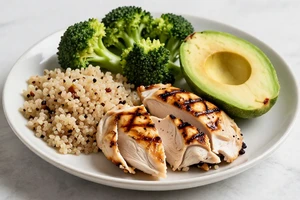
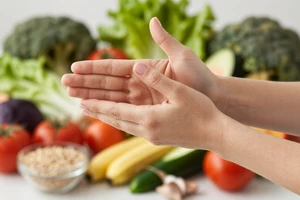
A standard serving of cooked poultry or beef is about 3 to 4 ounces. That's roughly the size and thickness of a deck of cards, the palm of your hand (fingers excluded), or a bar of soap. For a lean cut like chicken breast or sirloin, 4 ounces delivers approximately 30 grams of protein and about 180 to 200 calories.
If you're buying a full chicken breast from the grocery store, it is not uncommon for it to be 8 or even 10 ounces. That is two to three servings in one piece of meat. A simple fix: cook the whole breast, then slice or shred it into your intended portion. Fill the rest of your plate with vegetables and a smart starch.
Fish and Seafood
Fish is a bit lighter in calories ounce-for-ounce than red meat, but the protein content is similar. A good portion of cooked fish—say, salmon, cod, or tuna—is about 4 to 6 ounces. Visually, that's approximately the size of a checkbook or a smartphone. For fatty fish like salmon, which is rich in omega-3s, 4 ounces is often a great target. It's satisfying and provides about 25 grams of protein without going overboard on calories.
A common pitfall is oversized fillets at restaurants. A single restaurant salmon fillet can easily be 8 to 10 ounces. Don't hesitate to ask for a half portion or pack half to go before you start eating.
Eggs
Eggs are a bit different because they are usually counted by the whole egg. Two large eggs provide about 12 to 14 grams of protein. For many people, two to three eggs is a reasonable and satisfying breakfast portion. If you are making an egg-heavy omelet with cheese and meat, three eggs is usually the upper limit for a single meal serving unless you are a high-level athlete.
Visual Cues for Plant-Based Proteins
Tofu, Tempeh, and Edamame
Soy-based proteins are nutrient-dense. A serving of firm tofu or tempeh is about 4 to 5 ounces (roughly 1/2 cup). Visualize a standard lightbulb or a deck of cards. This provides around 20 to 25 grams of protein. Edamame, when shelled, is a bit lower in density. One cup of shelled edamame provides about 18 grams of protein and is often fine as a larger snack or a side dish portion.
Legumes: Beans and Lentils
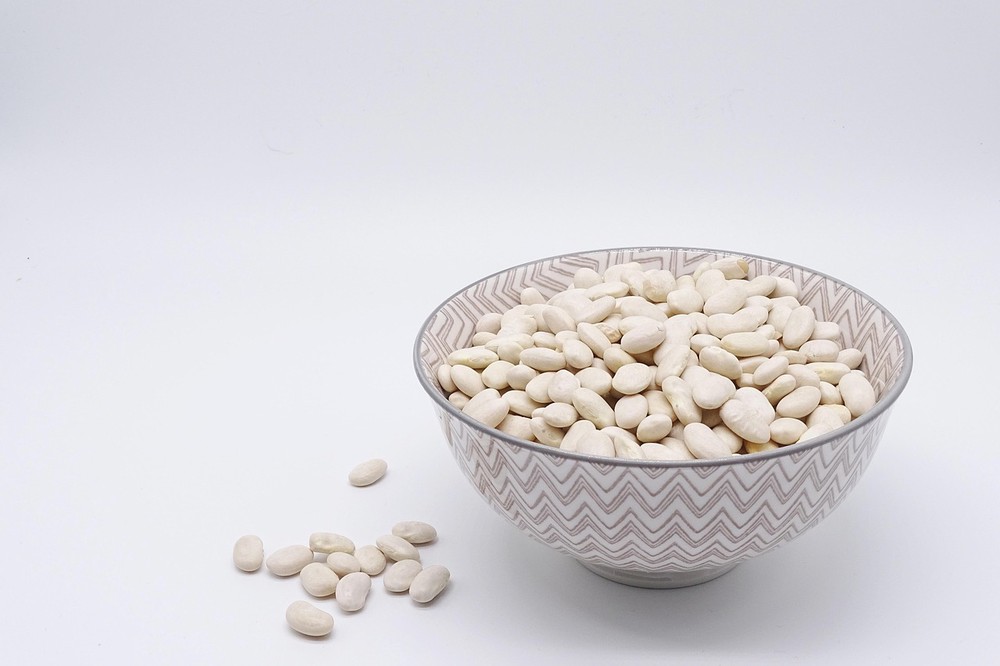
Beans and lentils are a combination of protein and carbohydrates. A standard serving of cooked legumes is 1/2 cup, which looks like a generous scoop that could fit in the palm of a cupped hand. This provides roughly 7 to 9 grams of protein. While they are excellent for you, eating a full bowl of bean chili as your main protein source often means you need to bump the volume to get enough protein. A cup of beans is often more appropriate as a main dish portion for plant-based eaters.
High-Protein Dairy: Yogurt and Cottage Cheese
Greek yogurt and cottage cheese have become go-to high-protein snacks. A single-serving container is often 5.3 ounces (150g), which is a perfect portion—about the size of a fist. This gives you 15 to 20 grams of protein. If you're dishing from a large tub, stick to 3/4 cup as a generous serving. It's very easy to double this without realizing it, especially if you are eating it with granola or fruit.
Protein Powders: The Measurement Trap
Protein powder is the most common place where portion control slips. The serving size on the label—usually one scoop (around 25 to 30 grams of powder)—is the correct portion. A scoop of protein powder is not a heaping spoonful. It should be level, unless the manufacturer specifically states otherwise.
- Level scoop: Use the scoop that comes with the container. Scoop into the powder, then level it off with a knife or the container's inner rim.
- Double scooping: Unless you are intentionally making a high-protein recovery shake (and accounting for those extra calories), one scoop is sufficient for most people post-workout or as a meal supplement.
- Powder density: Different brands have different scoop sizes. Always read the nutrition label for the exact gram weight of a serving, not just the scoop number.
Practical Tips for Better Protein Portioning
You don't need to live your life with measuring cups, but a little intentional effort in the beginning pays off. Here are three strategies I recommend to clients:
- Pre-portion your proteins. When you cook a batch of chicken, steak, or tofu, portion it into containers immediately. Use your hand as a guide: one palm-sized portion per container.
- Use your hand as a daily guide. For most women, one palm-sized portion of protein at each meal is a solid baseline. For most men, two palm-sized portions may be appropriate. Adjust for your hunger and activity.
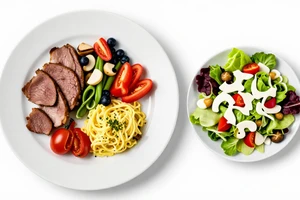
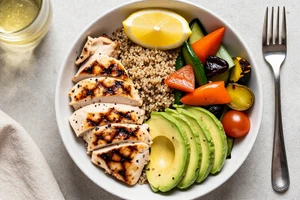
- Balance the plate. A common mistake is making protein the star of the plate. Aim for a visual ratio of roughly 1/4 of the plate for protein, 1/4 for complex carbs, and 1/2 for non-starchy vegetables.
Portion control isn't about restriction—it's about making room for a satisfying variety of foods while hitting your health targets. Protein is a powerful tool, and using it thoughtfully makes it even more effective.