You’ve likely heard the advice: eat breakfast like a king, lunch like a prince, and dinner like a pauper. Or perhaps you’ve been told that eating after 7 p.m. is a surefire way to gain weight. When it comes to meal timing, the noise can be overwhelming, leaving you wondering if when you eat matters as much as what you eat. The truth is, it does—but not in the rigid, one-size-fits-all way that many fad diets suggest.
Think of your metabolism not as a simple calorie-burning engine, but as a complex, rhythmic symphony. Your body has innate circadian rhythms that influence everything from hormone release to digestion. Aligning your eating patterns with these natural rhythms can be a powerful, yet often overlooked, tool for managing hunger, sustaining energy, and supporting metabolic health. This isn’t about strict rules; it’s about creating a sustainable, rhythmic pattern that works for your life.
Understanding Your Body's Metabolic Clock
Your body operates on a 24-hour cycle known as the circadian rhythm. This internal clock, governed by a master pacemaker in your brain, influences sleep, body temperature, and critically, how you process food. Your metabolic organs—like your liver, pancreas, and gut—also have their own peripheral clocks that sync with this master rhythm.
Research suggests your body is primed to digest and utilize nutrients most efficiently during your active daylight hours. Insulin sensitivity, which is how effectively your cells respond to insulin to take in glucose, tends to be higher in the morning and early afternoon. This means your body may be better equipped to handle a larger meal or carbohydrate-rich foods earlier in the day.
Your metabolism isn't a steady flame; it's a rhythm. Eating in sync with it can turn volume down on hunger and turn up energy.
As evening approaches, your body naturally begins to wind down, preparing for rest and repair. Eating a very large, heavy meal late at night, when your metabolic processes are slowing, can feel more disruptive. It’s less about the calories magically counting more and more about the mismatch with your body’s prepared state.
Practical Strategies for Hunger and Energy Management
So, how do you translate this science into your daily routine? The goal is consistency and alignment, not perfection.
Start Your Day with Nourishment
Breaking your overnight fast with a balanced meal within an hour or two of waking can help set your metabolic tone for the day. It signals to your body that the active phase has begun. A breakfast with protein, healthy fats, and fiber—think Greek yogurt with berries and nuts, or eggs with avocado and whole-grain toast—provides sustained energy and helps prevent the mid-morning crash that leads to impulsive snacking.
Prioritize a Substantial Lunch
This is often the meal people skip or skimp on, but it’s a metabolic powerhouse opportunity. Making lunch your most substantial meal capitalizes on that window of higher insulin sensitivity. A satisfying lunch can prevent the classic 3 p.m. energy slump and reduce the likelihood of overeating at dinner because you’re ravenous.
Consider a Lighter, Earlier Dinner
Aim to finish your last major meal at least 2-3 hours before bedtime. This gives your body time to begin the digestive process before sleep. A lighter dinner focused on lean protein and vegetables is often easier to digest and aligns with your body’s natural wind-down. If you feel hungry later, a small, protein-based snack like a handful of almonds or a cup of cottage cheese can be a better choice than a sugary treat.
Navigating Common Meal Timing Questions
Real life isn’t a laboratory. Shift work, social events, and personal preference all play a role. The key is adapting the principles, not abandoning them.
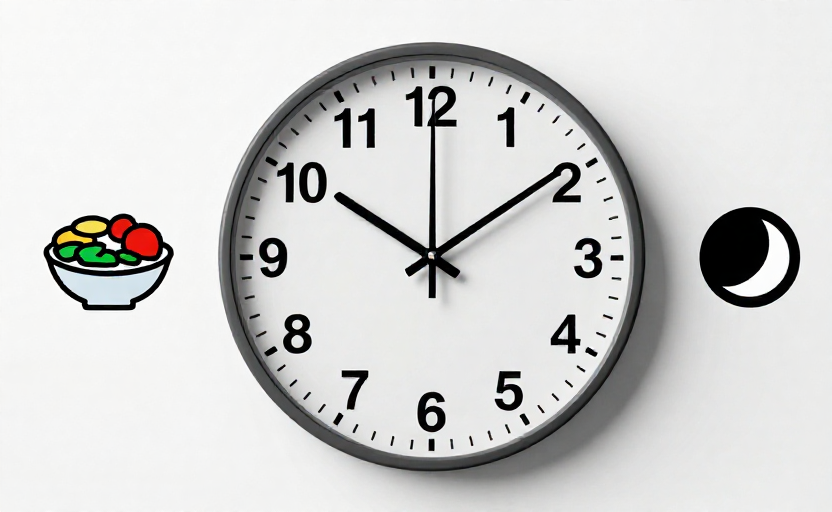
What about intermittent fasting? Time-restricted eating, like the 16:8 method, is a form of meal timing that aligns eating with a condensed daily window (e.g., eating between 10 a.m. and 6 p.m.). For some, this pattern naturally reduces calorie intake and can improve metabolic markers. Its success often hinges on the quality of food consumed during the eating window and individual consistency. It’s not superior to other patterns—it’s simply one tool that works for some people.
I’m not hungry in the morning. That’s okay. Forcing food when you’re not hungry can backfire. Start with a small, protein-rich option like a hard-boiled egg or a protein shake. Over time, as you adjust your evening eating pattern, morning hunger often naturally returns.
My schedule is unpredictable. Focus on the rhythm you can control. Even if meal times shift, try to maintain consistent gaps between meals (e.g., eating every 3-5 hours). This helps regulate hunger hormones like ghrelin and prevents extreme hunger that leads to poor choices.
Listening to Your Body's Signals
Ultimately, the most sophisticated tool you have is your own hunger and fullness awareness. Meal timing provides a supportive framework, but it should not override your body’s cues.
- Eat when you’re moderately hungry, not starving. This puts you in control of your choices.
- Stop when you’re comfortably satisfied, not stuffed. It takes about 20 minutes for fullness signals to reach your brain.
- Notice patterns. Does a late dinner disrupt your sleep? Does skipping breakfast lead to overeating later? Use these observations to gently adjust your timing.
The goal of thoughtful meal timing is to create a predictable, rhythmic pattern that your metabolism can anticipate and work with efficiently. It’s a gentle nudge toward metabolic harmony, not a rigid set of rules. By aligning your eating with your body’s natural rhythms, you empower yourself to manage hunger with more ease and support your energy levels throughout the day.