When you’re trying to lose weight, the sheer volume of dietary advice can feel overwhelming. One plan tells you to cut carbs, another to load up on fat, and a third insists protein is the only key. The truth is, sustainable weight loss rarely comes from extreme restriction. Instead, it’s about finding a balanced, nourishing rhythm between the three essential macronutrients—carbohydrates, protein, and fat—that your body needs to thrive.
Think of your body as a finely tuned engine. Carbs are your immediate fuel, protein is the building and repair crew, and fat is your long-term energy reserve and system regulator. A diet that skews too heavily toward one macronutrient while neglecting the others is like trying to run that engine with only one type of part. It might sputter along for a while, but it won’t run smoothly or efficiently for the long haul. A dietitian’s approach focuses on harmony, not elimination, creating a sustainable pattern that supports energy, satiety, and gradual, healthy weight loss.
Why Balance Trumps Elimination
Cutting out an entire macronutrient group often leads to short-term results followed by frustration. Severely low-carb diets can zap your energy and make exercise feel impossible. Diets too low in fat can leave you feeling unsatisfied and may impact hormone function. And while high-protein diets are popular, overemphasizing protein at the expense of other nutrients isn’t a magic solution.
Balance works because it aligns with your body’s natural needs. Each macronutrient plays a distinct role in satiety—that feeling of fullness and satisfaction after a meal. Protein and fat are particularly effective at slowing digestion and triggering fullness signals. Complex carbohydrates, especially those with fiber, add bulk and steady energy. When you combine them thoughtfully, you create meals that keep you full longer, curb mindless snacking, and provide steady energy, all of which are foundational for a sustainable calorie deficit.
Understanding Your Macronutrient Players
To balance your plate, it helps to know what each player brings to the table. This isn’t about memorizing grams from the start, but about understanding quality and function.
Carbohydrates: The Primary Fuel
Carbs have been unfairly villainized. Your brain and muscles prefer glucose from carbohydrates as their primary energy source. The key distinction is between refined and complex carbohydrates.
- Focus on Complex Carbs: These include whole grains (like oats, quinoa, and brown rice), legumes (beans and lentils), starchy vegetables (sweet potatoes, squash), and all fruits and non-starchy vegetables. They are packed with fiber, vitamins, and minerals. Fiber is crucial for weight loss—it slows the absorption of sugar, helps manage blood sugar spikes, and promotes gut health.
- Limit Refined Carbs: These are found in sugary drinks, pastries, white bread, and many processed snacks. They offer quick energy but little nutritional value and can lead to rapid blood sugar swings that increase hunger.
Your goal isn’t to fear carbs, but to choose ones that work for you—those that come packaged with fiber and nutrients.
Protein: The Satiety and Support Nutrient
Protein is essential for preserving lean muscle mass while you lose weight. Muscle is metabolically active tissue, meaning it burns calories even at rest. Adequate protein intake helps ensure the weight you lose comes from fat stores, not muscle.
It also has a high thermic effect, meaning your body uses more energy to digest it compared to carbs or fat. Include a source of lean protein at each meal: think poultry, fish, eggs, tofu, tempeh, legumes, Greek yogurt, or cottage cheese. This consistent intake helps manage hunger throughout the day.
Fats: The Flavor and Function Nutrient
Healthy fats are not the enemy. They are vital for absorbing fat-soluble vitamins (A, D, E, K), supporting cell function, and producing hormones. Like protein, fats slow digestion, contributing to a lasting feeling of fullness.
Prioritize unsaturated fats from sources like avocados, nuts, seeds, olives, and olive oil. Don’t fear the natural fats in foods like salmon and eggs. The fats to minimize are artificial trans fats and excessive saturated fats often found in heavily processed foods.
The Practical Plate Method
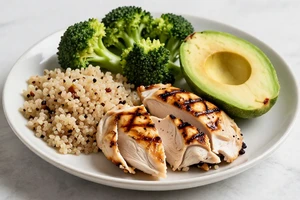
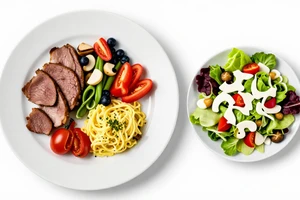
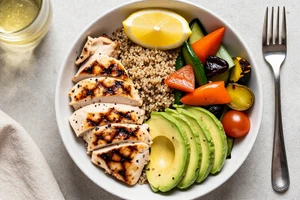
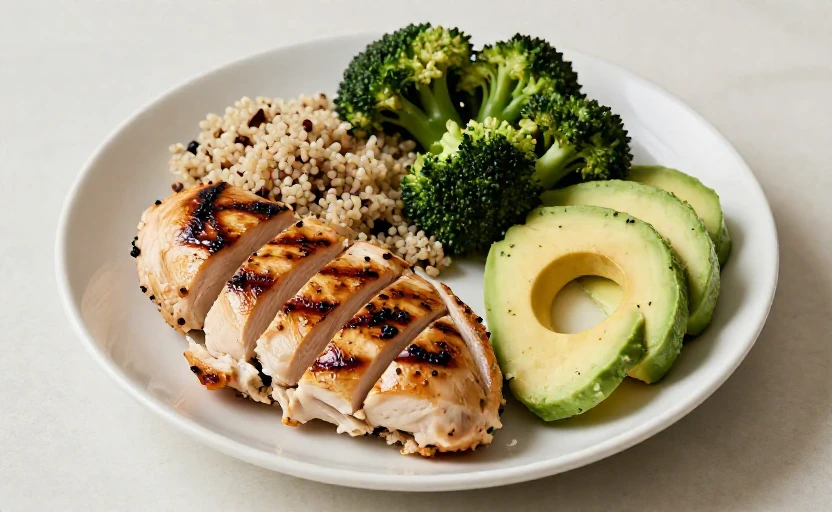
You don’t need a food scale or a complex calculator to start. The plate method is a simple, visual tool to build balanced meals.
- Fill half your plate with non-starchy vegetables. This includes leafy greens, broccoli, peppers, mushrooms, zucchini, and tomatoes. They are low in calories but high in volume, fiber, and nutrients.
- Allocate a quarter of your plate to lean protein. This is about the size of your palm or a deck of cards.
- Use the remaining quarter for complex carbohydrates. This could be a fist-sized portion of quinoa, a small sweet potato, or a half-cup of beans.
- Include a serving of healthy fat. Add a tablespoon of olive oil in cooking, a quarter of an avocado, or a small handful of nuts or seeds.
This framework naturally creates a meal that is high in nutrients and fiber, moderate in protein and complex carbs, and includes healthy fats—a combination proven to support satiety and weight management.
Adjusting the Ratios for Your Needs
The plate method is a fantastic starting point. Some individuals may find they feel and perform better with slight adjustments. If you’re very active, you might need a slightly larger portion of complex carbs to fuel your workouts. If you find yourself hungry between meals, experiment by adding a bit more protein or healthy fat to your plate.
Listen to your body’s signals. Energy crashes two hours after a meal might suggest you need more protein, fat, or fiber-rich carbs. Persistent hunger could indicate your portions are too small overall. The goal is a personalized balance that keeps you energized and satisfied.
Remember, this is about a sustainable shift, not a rigid diet. Some days your balance will look different, and that’s perfectly normal. The core principle is to consistently return to a pattern of meals built on whole foods, with all three macronutrients present and working together. This dietitian-approved approach provides the structure for nourishment and the flexibility for life, making healthy weight loss a byproduct of taking better care of yourself, one balanced plate at a time.