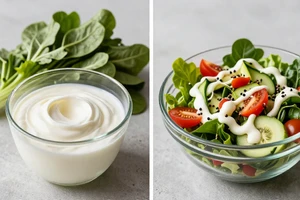

You've heard it a hundred times: eat your vegetables. And you probably do—loading your plate with carrots, spinach, tomatoes, and other colorful produce. But there's a common dietary mistake that could be silently draining the nutrition right out of your healthy choices: eating these vegetables without any fat.
Several essential vitamins are fat-soluble, meaning your body needs dietary fat to absorb and use them. Without a little olive oil, avocado, or even a pat of butter, you might as well be eating those veggies for the fiber alone—because much of the vitamin content will pass right through you. Here are five vegetables you should always pair with a source of fat to unlock their full nutrient potential.
1. Carrots
Carrots are famous for their beta-carotene, a compound your body converts into vitamin A for healthy vision, immune function, and skin. But beta-carotene is fat-soluble. Research has shown that eating carrots with a fat source like avocado or a drizzle of oil significantly increases the amount of carotenoids your body can actually use.
A simple shift: pair your carrot sticks with hummus (made with tahini and olive oil) or roast them with a bit of coconut oil. That splash of fat makes all the difference.
2. Spinach
Popeye had the right idea, but he might have missed the mark by eating spinach straight from the can. Spinach is loaded with vitamin K, vitamin A, and lutein—all fat-soluble nutrients that support bone health, vision, and cellular function. Steaming or sautéing spinach with a bit of olive oil or butter helps release these nutrients and makes them more available for absorption.
3. Tomatoes
Tomatoes are perhaps the most well-known example of this principle. They contain lycopene, a powerful antioxidant linked to heart health and reduced cancer risk—but lycopene is stubbornly fat-soluble. Cooking tomatoes with olive oil dramatically increases the amount of lycopene your body can absorb. That's why tomato sauce, tomato soup, and sun-dried tomatoes packed in oil are such smart choices nutritionally.
4. Kale
Kale has earned its superfood status with impressive amounts of vitamins A, K, and C, plus minerals like calcium and magnesium. But that tough, fibrous texture actually locks away many of these nutrients. A study found that eating kale with a fat source—like a vinaigrette made with olive oil or a salad topped with avocado—greatly improves the absorption of vitamin K and carotenoids. Massaging your kale salad with a little oil before serving is a simple trick that helps break down the tough fibers and makes the nutrients more accessible.
5. Bell Peppers
Red, yellow, and orange bell peppers are packed with vitamin C and carotenoids like beta-carotene and beta-cryptoxanthin. While vitamin C is water-soluble, the carotenoids in peppers need fat to be properly absorbed. Adding bell peppers to a stir-fry with some oil or tossing them into a salad with a full-fat dressing ensures you get the full spectrum of their benefits.
How to Build Fat-Smart Veggie Meals
The takeaway isn't complicated—it's about being intentional with your pairings. You don't need to drench everything in heavy cream or cook with large amounts of oil. A modest amount of healthy fat is all it takes to unlock the nutrients in these vegetables.
- Roast or sauté your vegetables in olive oil, avocado oil, or coconut oil.
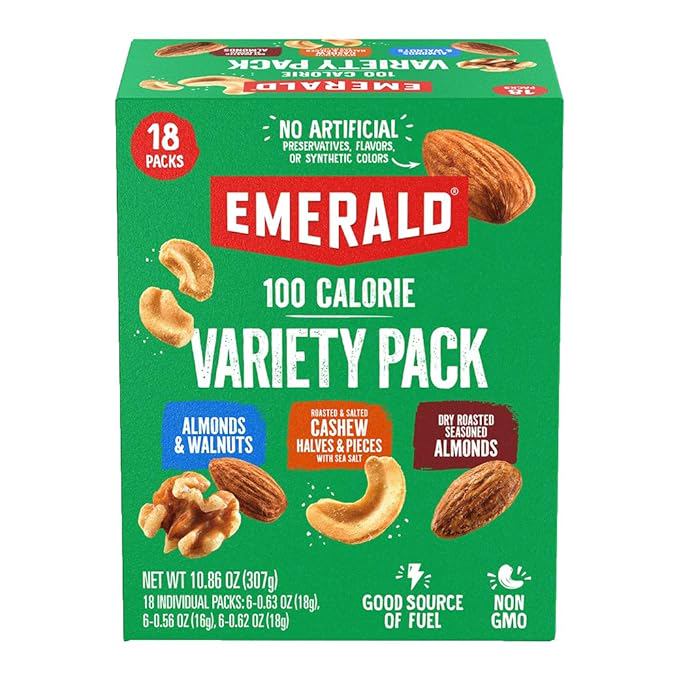
- Add nuts or seeds like almonds, walnuts, sunflower seeds, or pumpkin seeds to salads and roasted vegetable dishes.
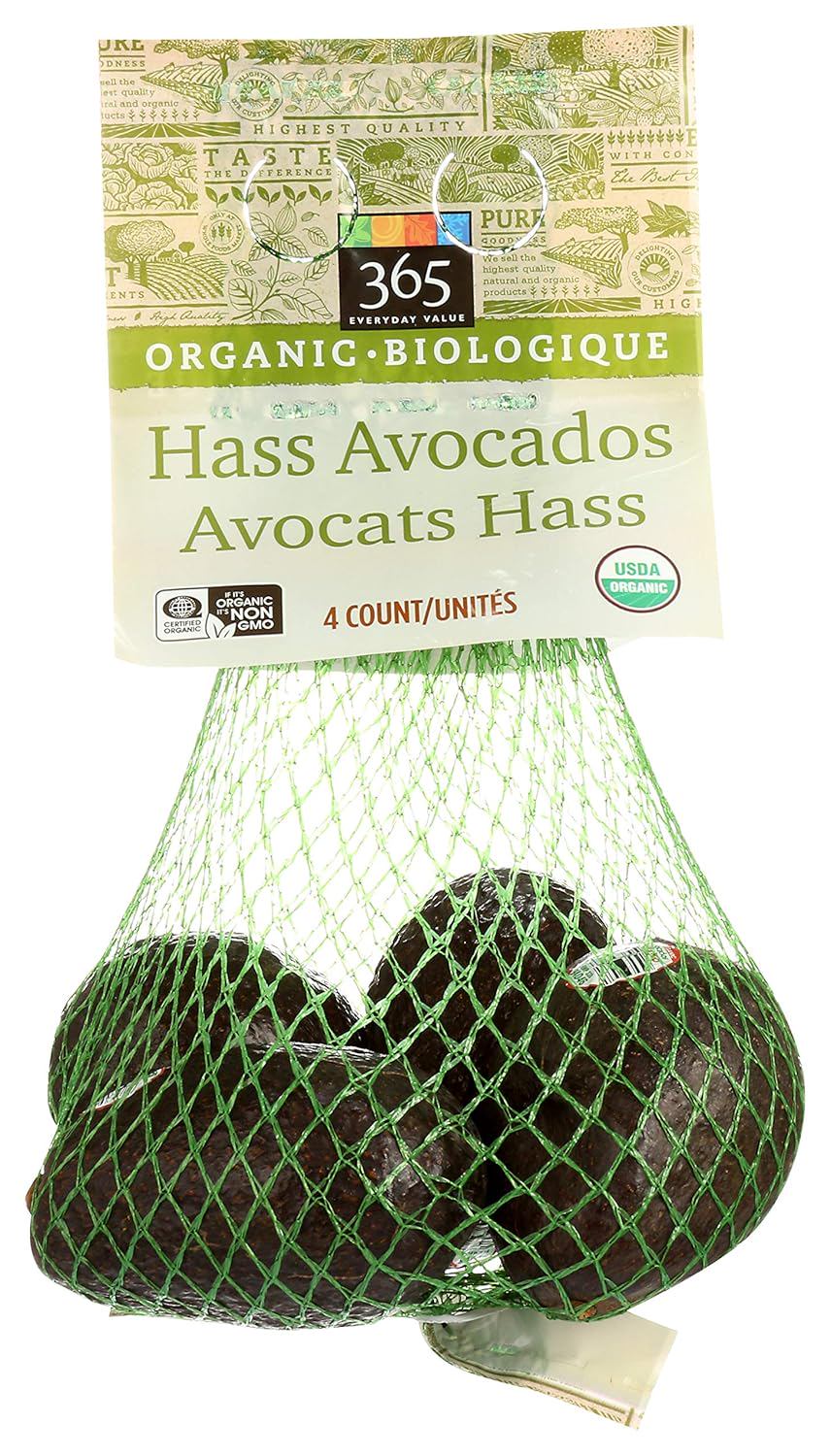
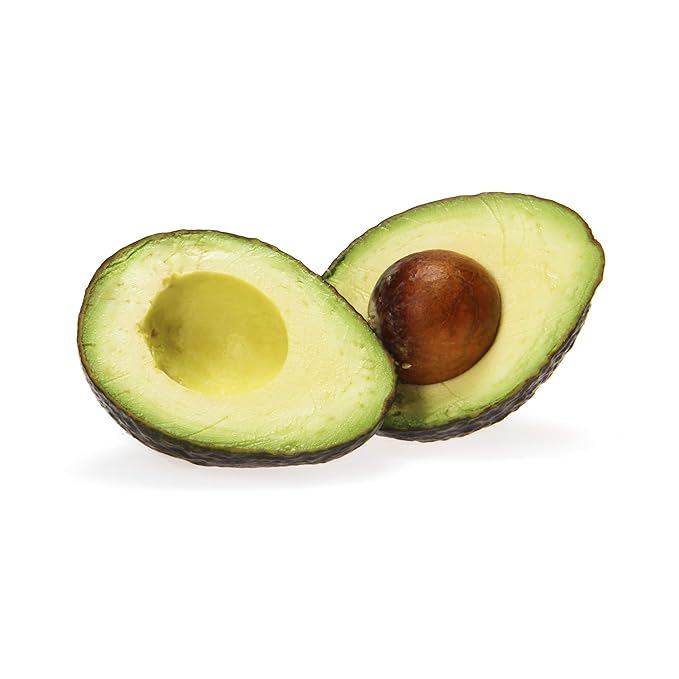
- Use avocado as a creamy base for dressings, or simply slice it over your meal.
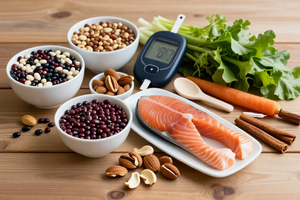
- Pair veggies with fatty fish like salmon or mackerel, which gives you a double dose of healthy fats and fat-soluble vitamins.
- Include dairy in moderation—a spoonful of Greek yogurt, a sprinkle of cheese, or a pat of butter on your vegetables can help with absorption.
The bottom line: don't fear fat when it comes to your vegetables. Healthy fats are the key that unlocks the treasure chest of vitamins and antioxidants nature packed into these foods. Skip the fat, and you're leaving most of the benefits on the plate.