
Olive oil has earned a rightful place in the kitchen and in the hearts of health-conscious eaters. It's rich in monounsaturated fats and antioxidants, and it's a cornerstone of the Mediterranean diet. But if your diet plan reads like a one-note symphony—where olive oil is the sole source of healthy fat—you may be missing out on a broader range of nutrients your body needs. Variety isn't just the spice of life; it's also the foundation of a well-rounded fat intake.
Many people striving to eat well fall into the trap of thinking that one "superfood" can cover all bases. While olive oil is excellent, it is not a complete fatty-acid profile on its own. Over-relying on it can create gaps in your nutrition, particularly when it comes to omega-3 fatty acids and certain fat-soluble vitamins that are more abundant in other sources.
Why Olive Oil Alone Falls Short
Olive oil is predominantly monounsaturated fat (about 73%). It contains some polyunsaturated fats, but very little of the essential omega-3s (ALA, EPA, and DHA) that play a critical role in brain health, reducing inflammation, and supporting cardiovascular function. If your only source of added fat is olive oil, you are likely getting a skewed ratio of omega-6 to omega-3 fatty acids—a balance that, when tipped too far toward omega-6, may promote inflammation rather than calm it.
Additionally, different fats carry different micronutrients. For example, vitamin K2 is found in grass-fed butter and certain fermented foods, not in olive oil. Vitamin D is abundant in fatty fish and egg yolks. By sticking exclusively to olive oil, you miss these co-factors that support bone health, immunity, and more.
The Best Fats to Add to Your Rotation
Think of your fat intake as a team, not a solo act. Each source brings something unique to the table. Here are some key players to incorporate alongside your olive oil:
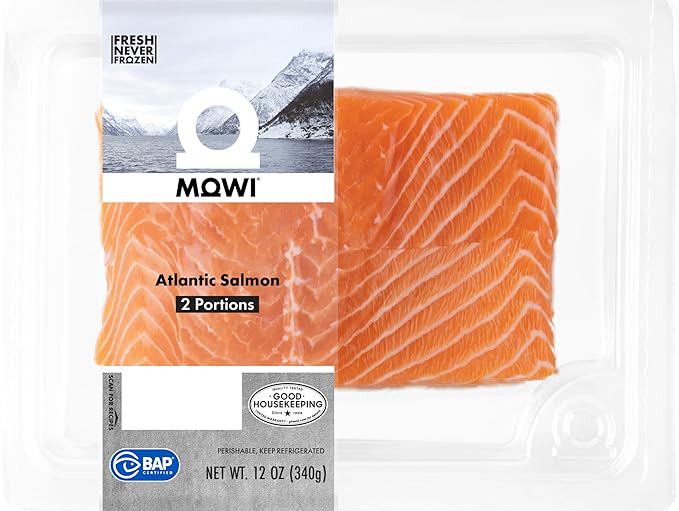
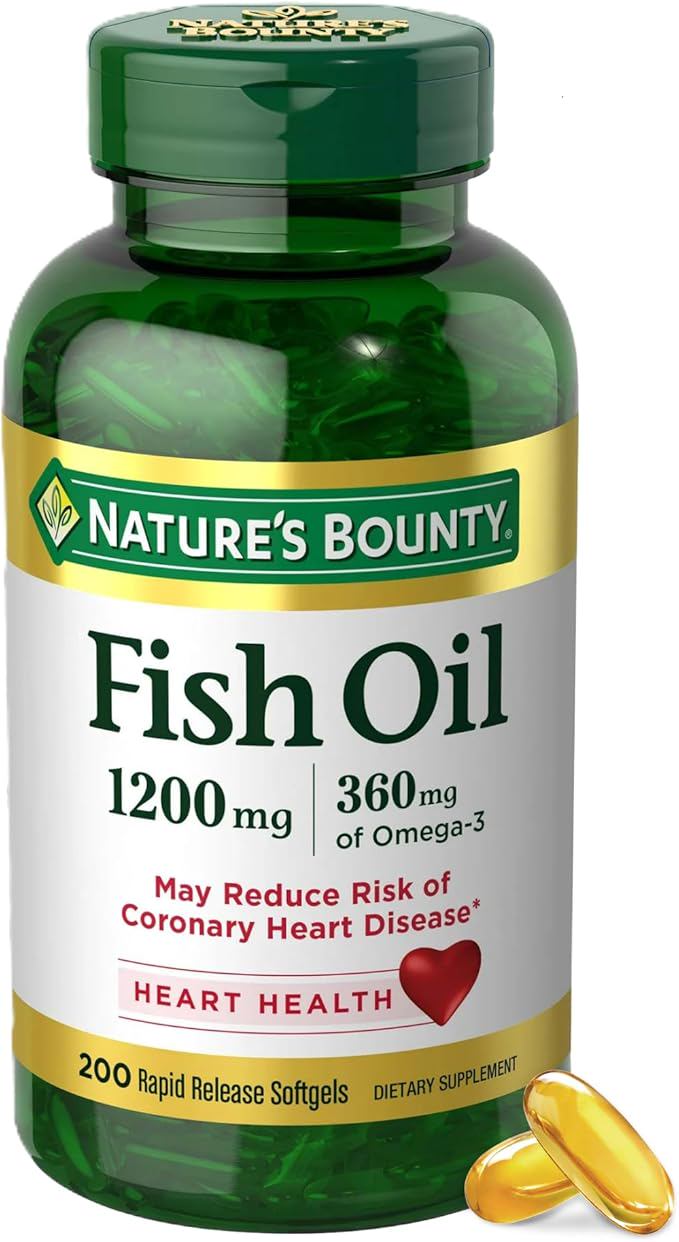
- Fatty fish (salmon, mackerel, sardines): The most direct source of EPA and DHA omega-3s. Aim for two servings per week.
- Avocados and avocado oil: Rich in monounsaturated fats and potassium, plus lutein for eye health. Avocado oil also has a higher smoke point, making it better for cooking at higher temperatures.
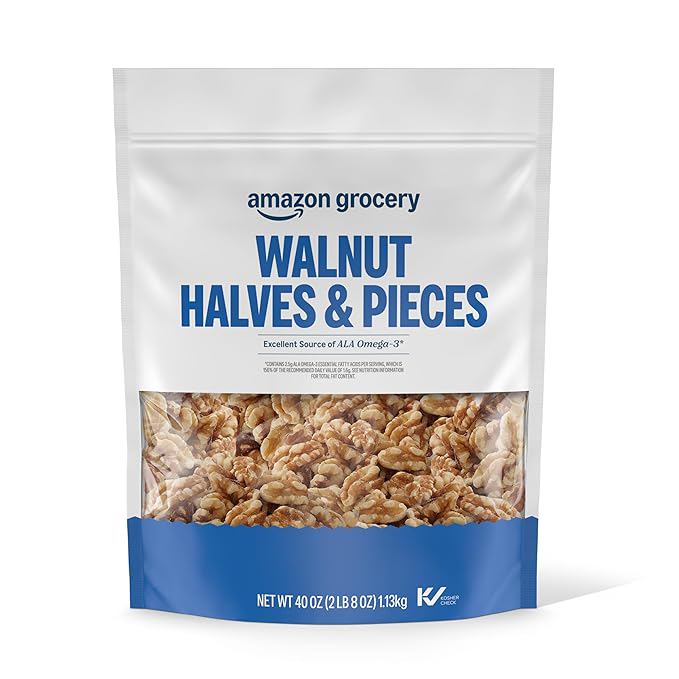
- Nuts and seeds: Walnuts and flaxseeds are excellent vegan sources of ALA omega-3s. Almonds offer vitamin E, while pumpkin seeds provide zinc and magnesium.
- Coconut oil and ghee: These provide medium-chain triglycerides (MCTs) or butyrate, which can support gut health and provide quick energy. Use them sparingly, but don't ignore them entirely.
- Grass-fed butter or tallow: Good sources of vitamin A, D, K2, and conjugated linoleic acid (CLA), which has been linked to some metabolic benefits.
A Practical Approach to Fat Diversity
You don't need to overhaul your pantry overnight. Start by making small shifts. Use olive oil for salads and low-heat finishing, but switch to avocado oil or coconut oil for stir-fries and roasting. Keep a bag of walnuts or a container of mixed seeds on hand for snacks. Once or twice a week, replace a chicken dinner with a fatty fish fillet.
Tip: A simple way to diversify is to rotate your cooking oils. Use olive oil one day, avocado oil the next, and a third day try a little sesame oil for flavor in a stir-fry.
It's also worth considering your overall dietary pattern. If you eat a mostly plant-based diet, pay extra attention to getting enough ALA from flax, chia, and hemp seeds, and consider an algae-based DHA supplement if needed. If you eat animal products, fatty fish and pasture-raised eggs are excellent additions.
The Role of Fat in Satiety and Hormone Health
Healthy dietary fats are crucial for hormone production, including the hormones that regulate hunger and satiety. A diet that is too low in fat or relies on a single type of fat can leave you feeling unsatisfied and craving carbohydrates or sugar. This connects to a common mistake dieters make: they reduce fat intake too drastically, assuming all fats are the same. In reality, a diverse fat profile supports stable blood sugar, balanced cortisol levels (the stress hormone), and proper absorption of fat-soluble vitamins (A, D, E, K).
When you include a range of fats, you are also more likely to feel full between meals. This can reduce the urge to snack on empty calories or reach for sugary treats when energy dips.
Common Questions About Fat Intake
Is it okay to cook with olive oil?
Yes, but with caution. Extra-virgin olive oil has a lower smoke point (around 375°F / 190°C) compared to other oils. It is best for low-to-medium heat cooking, such as sautéing vegetables or drizzling over cooked dishes. For high-heat roasting, frying, or searing, choose avocado oil, ghee, or refined coconut oil instead to avoid producing harmful compounds.
Can I get enough omega-3s from olive oil alone?
No. Olive oil contains very little omega-3 (ALA). To meet your omega-3 needs, you must include other sources such as walnuts, flaxseeds, chia seeds, or fatty fish. Relying solely on olive oil for healthy fats will leave you deficient in these essential fats over time.
How much fat should I eat per day?
General guidelines suggest that 20-35% of your total daily calories should come from fat. For a 2,000-calorie diet, that's about 44 to 78 grams of fat per day. But individual needs vary greatly based on activity level, metabolic health, and dietary preferences. It is always best to consult with a healthcare provider or registered dietitian for personalized advice.
What about saturated fat from animal sources?
Saturated fat is not the villain it was once made out to be, especially when it comes from whole food sources like grass-fed butter, tallow, or coconut oil. However, balance is key. Most experts recommend keeping saturated fat to less than 10% of total calories, while focusing primarily on unsaturated fats from plants and fish. The real risk comes from combining high saturated fat with high refined carbohydrate intake, which can worsen inflammation.
Bottom line: olive oil is a fantastic part of a healthy diet, but it is not the only player. By diversifying your fat sources—from fish, avocados, nuts, seeds, and even small amounts of animal fats—you provide your body with a full spectrum of fatty acids and micronutrients. That variety supports everything from brain function and heart health to steady energy and better control over cravings.