You have likely heard that antioxidants are powerful allies for your health. Berries, dark chocolate, walnuts, and green tea are packed with these compounds, and we are often told to eat as many as possible. But what if the timing of when you eat these foods matters just as much as the foods themselves? Emerging research suggests that consuming antioxidant-rich foods at the wrong time of day can actually blunt some of their benefits, or even interfere with your body’s natural processes.
This is not about cutting antioxidants out of your diet. It is about being strategic. Your body operates on a circadian rhythm — a 24-hour internal clock that governs sleep, hormone release, and cellular repair. That rhythm also affects how your cells handle oxidative stress. Eating a bowl of blueberries or drinking a kale smoothie at the wrong hour may not be doing you the favors you think.
Why timing matters for antioxidants
Antioxidants work by neutralizing unstable molecules called free radicals. Free radicals are not entirely bad — your immune system actually uses them to fight off pathogens. The problem arises when there are too many free radicals, a state known as oxidative stress, which is linked to aging and chronic disease. Your body has evolved to produce its own antioxidants at certain times of the day, and external antioxidants from food interact with this system.
Morning and early afternoon are generally when your natural antioxidant defenses are at their highest. This matches the time when your metabolism is most active and you are exposed to daylight, which naturally generates some free radicals. Later in the evening, your body begins to shift toward repair and maintenance. Eating a large dose of antioxidants right before bed may disrupt this cycle, potentially interfering with sleep quality and the cellular cleanup process known as autophagy.
A simple rule of thumb: Eat your antioxidant-rich foods earlier in the day when your body is primed to use them. Save heavier, harder-to-digest foods for earlier hours, and keep evening meals lighter and lower in sugar.
The problem with nighttime snacking on berries and dark chocolate
Many people reach for a bowl of berries or a square of dark chocolate as an evening treat, believing it is a healthy choice. While these foods are indeed nutritious, eating them late at night may backfire. Berries and chocolate contain natural sugars and compounds that can stimulate digestion and alertness at a time when your body should be winding down. For example, dark chocolate contains a small amount of caffeine and theobromine, which can interfere with sleep in sensitive individuals. Poor sleep, in turn, increases oxidative stress, creating a counterproductive cycle.
Additionally, some research indicates that eating large amounts of polyphenols — the main antioxidants in berries, tea, and cocoa — late in the day can alter gut bacteria in ways that may not be beneficial during the overnight fasting period. Your gut microbiome also follows a daily rhythm, and feeding it certain compounds at the wrong time can disrupt that balance.
Which foods are most affected by timing?
Not all antioxidant-rich foods have the same timing concerns. Those that contain natural stimulants or sugars have the greatest potential to cause issues if eaten too late:
- Berries (blueberries, strawberries, raspberries): High in anthocyanins and natural sugars. Best eaten in the morning or early afternoon.
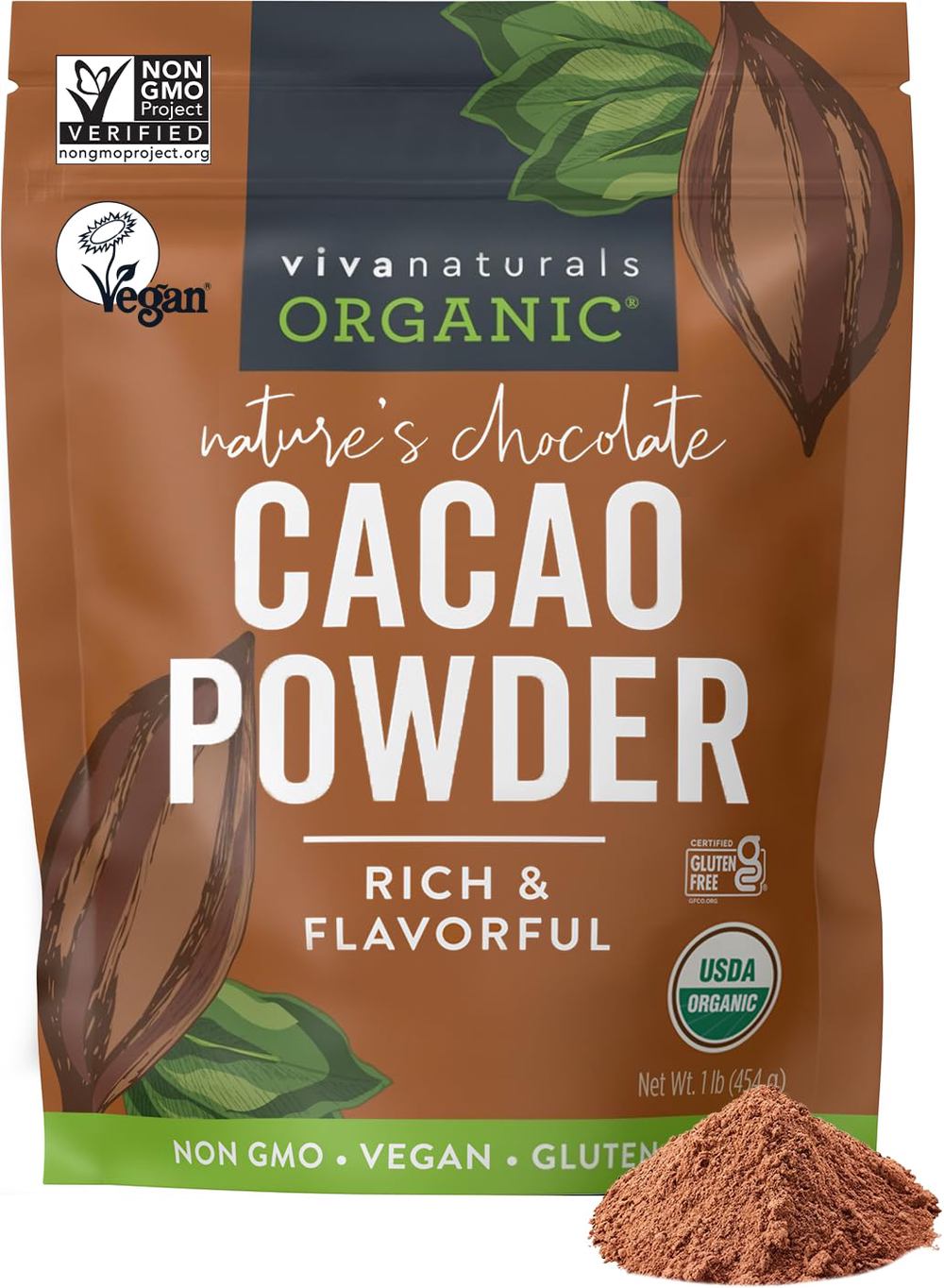
- Dark chocolate: Contains caffeine and theobromine. Enjoy it earlier in the day, not as a bedtime snack.
- Green tea and matcha: Packed with catechins but also contain caffeine. Avoid drinking after 2 p.m. if you are sensitive.
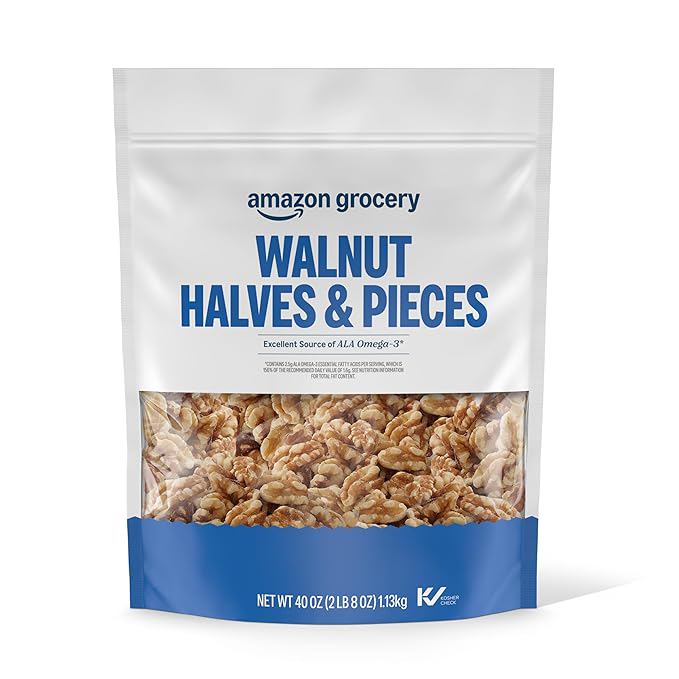
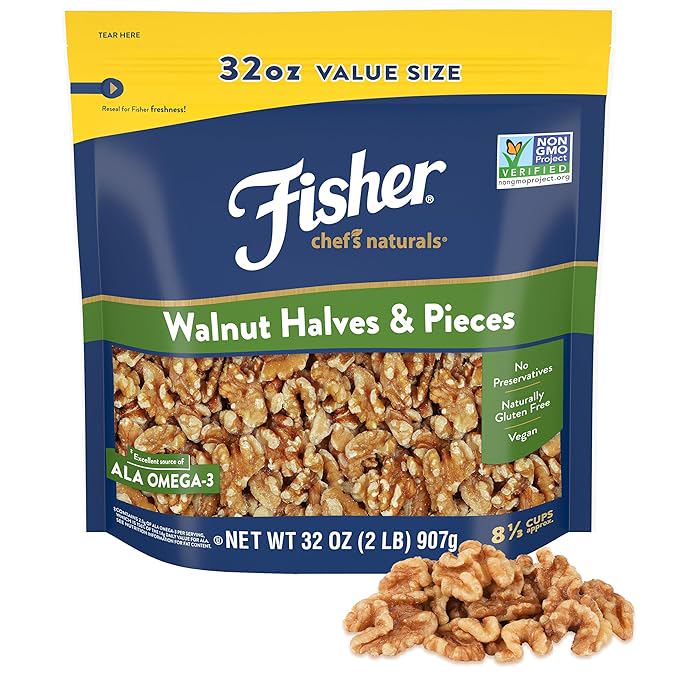
- Walnuts: Rich in omega-3s and melatonin precursors, making them a better evening choice than most other antioxidant sources.
- Brussels sprouts and other cruciferous vegetables: High in fiber and sulfur compounds that can cause gas and bloating if eaten too close to bedtime, potentially disrupting sleep.
Practical ways to time your antioxidant intake
The goal is not to avoid antioxidants, but to align them with your body’s natural rhythms. Here are a few actionable strategies:
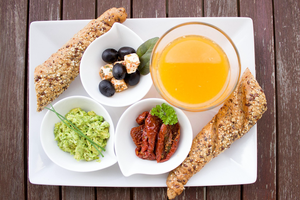
- Start your day with berries or a green smoothie. Your morning meal is an ideal time to load up on antioxidants because your metabolism is ramping up and your body can efficiently process the nutrients.
- Have your dark chocolate as an afternoon pick-me-up. A square or two around 2 or 3 p.m. can satisfy a sweet craving without interfering with sleep.
- Choose walnuts or almonds for an evening snack. These nuts provide healthy fats and some antioxidants, but they also contain compounds that support relaxation and melatonin production.
- Drink green tea or black tea earlier in the day. If you enjoy herbal tea in the evening, choose non-caffeinated options like rooibos or chamomile.
The exception: Post-exercise antioxidant timing
There is one important exception to the general rule of eating antioxidants earlier. After intense exercise, your body produces free radicals as a natural part of the muscle-repair process. Consuming antioxidants immediately after a workout can actually blunt some of the beneficial adaptations to exercise, such as improved insulin sensitivity and increased mitochondrial function. For this reason, some sports nutrition experts recommend waiting at least an hour after exercise before eating antioxidant-rich foods, or focusing on whole foods rather than high-dose supplements.
Key caveat: This post-workout timing advice applies to the acute period right after exercise, not to your general daily pattern. Overall, morning and early afternoon remain the best times for most people to eat antioxidant-rich foods.
Understanding when to eat certain foods is a simple but powerful way to get more benefit from the healthy choices you are already making. The same bowl of blueberries that supports your heart health and brain function when eaten at breakfast may be less effective — and possibly disruptive — if eaten as a late-night snack. By shifting your antioxidant-rich foods to earlier in the day, you work with your body’s natural rhythm rather than against it.