
For many people, the salt shaker is an automatic move at the dinner table—a quick shake over a home-cooked meal or restaurant plate before the first bite. But if you’re already eating foods that contain salt as part of their recipe, that extra shake could quietly push your daily intake well over the recommended limit. This habit—adding table salt to meals that already have hidden sodium—is one of the most common dietary mistakes, and it’s one that many don’t realize they’re making.
The body needs a small amount of sodium for nerve and muscle function, but the average diet delivers far more than necessary. A single teaspoon of salt contains about 2,300 mg of sodium, which matches the American Heart Association’s daily upper limit. The catch? Most people consume that amount before ever picking up a salt shaker, thanks to the sodium already present in processed foods, breads, cheeses, sauces, and even so-called healthy staples like canned beans or vegetable juice.
Where Is the Hidden Sodium Coming From?
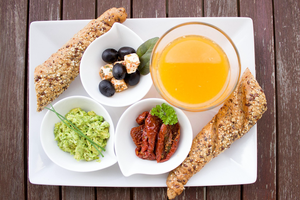
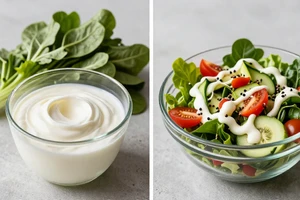
The term “hidden sodium” describes the salt that is already in food before you cook or serve it. It’s not just fast food and potato chips. Many everyday items—such as whole-grain bread, cottage cheese, salad dressing, canned soup, and deli meats—carry surprisingly high levels. A single slice of bread can contain 150 to 200 mg of sodium. Add a layer of cheese and a slice of turkey, and the sandwich alone might bring you near half your daily allowance.
Restaurant meals are another major contributor. Even dishes you might consider healthy, like grilled chicken salads or vegetable stir-fries, are often seasoned heavily in the kitchen. When you add table salt to such a dish, you’re essentially salting something that already has plenty of sodium built in.
Why Adding Extra Salt Matters
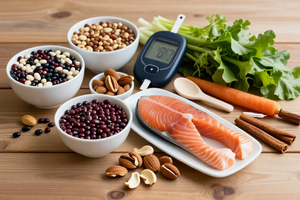
The health concern is not simply about taste preference—it’s about the cumulative effect. Consistently high sodium intake raises blood pressure, which in turn increases the risk for heart disease, stroke, and kidney problems. For individuals who are salt-sensitive or who already have high blood pressure, the extra pinch at the table can make a measurable difference.
Over time, the body becomes accustomed to a certain level of saltiness, which can lead to a cycle: the more salt you eat, the more you crave. That’s why reducing the habit of adding salt at the table is not only about one meal—it’s about resetting how your palate responds to food.
Bottom line: If you consistently add salt to dishes that already contain hidden sodium, you may be doubling or tripling your sodium intake without realizing it.
How to Break the Habit
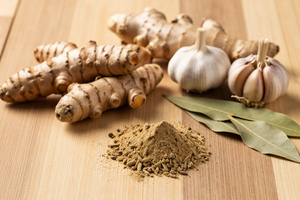
Start by reading nutrition labels. Look at the sodium content per serving for packaged foods like broths, canned vegetables, and sauces. Choose “no salt added” or “low sodium” versions when they’re available. When cooking, you can reduce the salt called for in a recipe without losing flavor—try using garlic, onion powder, citrus juice, vinegar, or fresh herbs instead.
At the table, delay the reflex to reach for the shaker. Take a few bites first, and ask yourself whether the food actually needs more salt or if it’s just a habit. Many people find that after two to three weeks of scaling back, their taste buds adapt, and foods begin to taste naturally salty enough.
Practical Swaps to Cut Sodium
- Replace table salt with a salt-free spice blend (like Mrs. Dash or a homemade herb mix).
- Rinse canned beans and vegetables under cold water before using—this can reduce sodium by up to 40%.
- Choose fresh or frozen produce over canned versions when possible.
- Use lemon or lime juice at the table to add brightness without sodium.
Rethinking the “One Teaspoon” Rule
General guidelines often say to limit salt to one teaspoon per day. That figure refers to total sodium from all sources—including what’s already in your food. When you factor in the salt that’s already present in bread, cheese, sauces, and prepared meals, there’s often very little room left for what you add from the shaker. That’s why the simple habit of adding table salt matters more than most people think.
A Smarter Approach to Flavor
Healthy eating isn’t about strict rules or deprivation; it’s about making small, consistent adjustments that improve long-term well-being. By being aware of hidden sodium and choosing not to add salt at the table, you give your body a real chance to regulate fluid balance and blood pressure naturally. Over time, your palate changes, meals taste just as satisfying, and the salt shaker stays where it belongs—as an occasional option, not an automatic move.