You already know that fruits are packed with antioxidants—compounds that help fight oxidative stress, support your immune system, and protect your cells from damage. But here's what many people don't realize: the way you eat them can dramatically change how many of those antioxidants your body actually uses.
It's not about eating more fruit. It's about a simple, everyday habit that scientists have studied for years, and the data is surprisingly clear. One small adjustment to your routine can boost the bioavailability of key antioxidants like vitamin C, polyphenols, and flavonoids. The best part? It's easy to do, costs nothing, and you probably have everything you need right now.
Pair your fruit with a little bit of fat
Many of the most powerful antioxidants found in fruits are fat-soluble, meaning your body needs fat in order to absorb them into your bloodstream. Without it, you might be excreting a significant portion of the very nutrients you're trying to get.
Think about it. A bowl of fresh berries, an apple with lunch, or a tropical fruit salad—these are healthy choices. But adding a small amount of healthy fat at the same time can make those antioxidants much more available to your cells.
Why fat matters for vitamin A and carotenoids
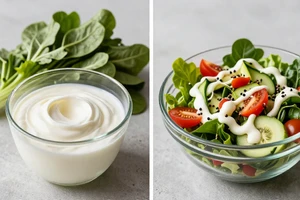
Fruits like mangoes, cantaloupe, apricots, and even watermelon contain beta-carotene and other carotenoids. Your body converts these into vitamin A, but only if they're transported through your digestive system with dietary fat. A study published in the American Journal of Clinical Nutrition found that people who ate a carotenoid-rich salad with a full-fat dressing absorbed significantly more of the antioxidants than those who ate the salad with a fat-free dressing.
Fat helps your body use vitamin C differently
While vitamin C is water-soluble, some research suggests that consuming it alongside fat can slow its transit through the digestive tract, allowing more time for absorption. And fruits like citrus, kiwi, and strawberries are loaded with vitamin C. Pairing them with a small handful of nuts or a spoonful of yogurt can help you retain more of that immune-supporting nutrient.
The antioxidants most affected by this habit
Not all antioxidants behave the same way. Here are the key ones that benefit most from being eaten with fat:
- Carotenoids (beta-carotene, lycopene, lutein): Found in watermelon, pink grapefruit, apricots, and mangoes. Extremely fat-soluble.
- Vitamin E: Present in avocados and some berries. Requires fat for proper absorption.
- Polyphenols and flavonoids: Found in apples, grapes, cherries, and blueberries. Some research shows their bioavailability increases when consumed with fat.
- Vitamin A precursors: The body's conversion of beta-carotene to active vitamin A is more efficient when fat is present.
A quick tip: if you're having a fruit smoothie, add a tablespoon of almond butter, chia seeds, or full-fat coconut milk. Your body will thank you for it.
How to put this into practice (without overcomplicating it)
You don't need to start cooking elaborate meals. The idea is simple: whenever you eat antioxidant-rich fruit, include a small source of healthy fat at the same meal or snack.
Here are some easy pairings:
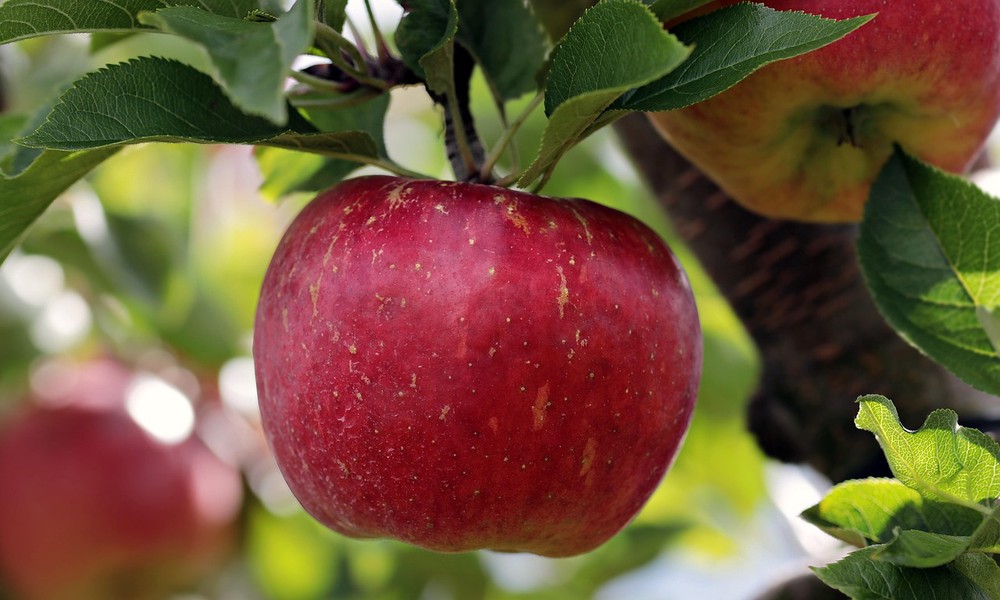
- Apple slices with a thin layer of peanut butter or almond butter
- Mixed berries with full-fat Greek yogurt or a drizzle of olive oil
- Mango chunks with a handful of walnuts
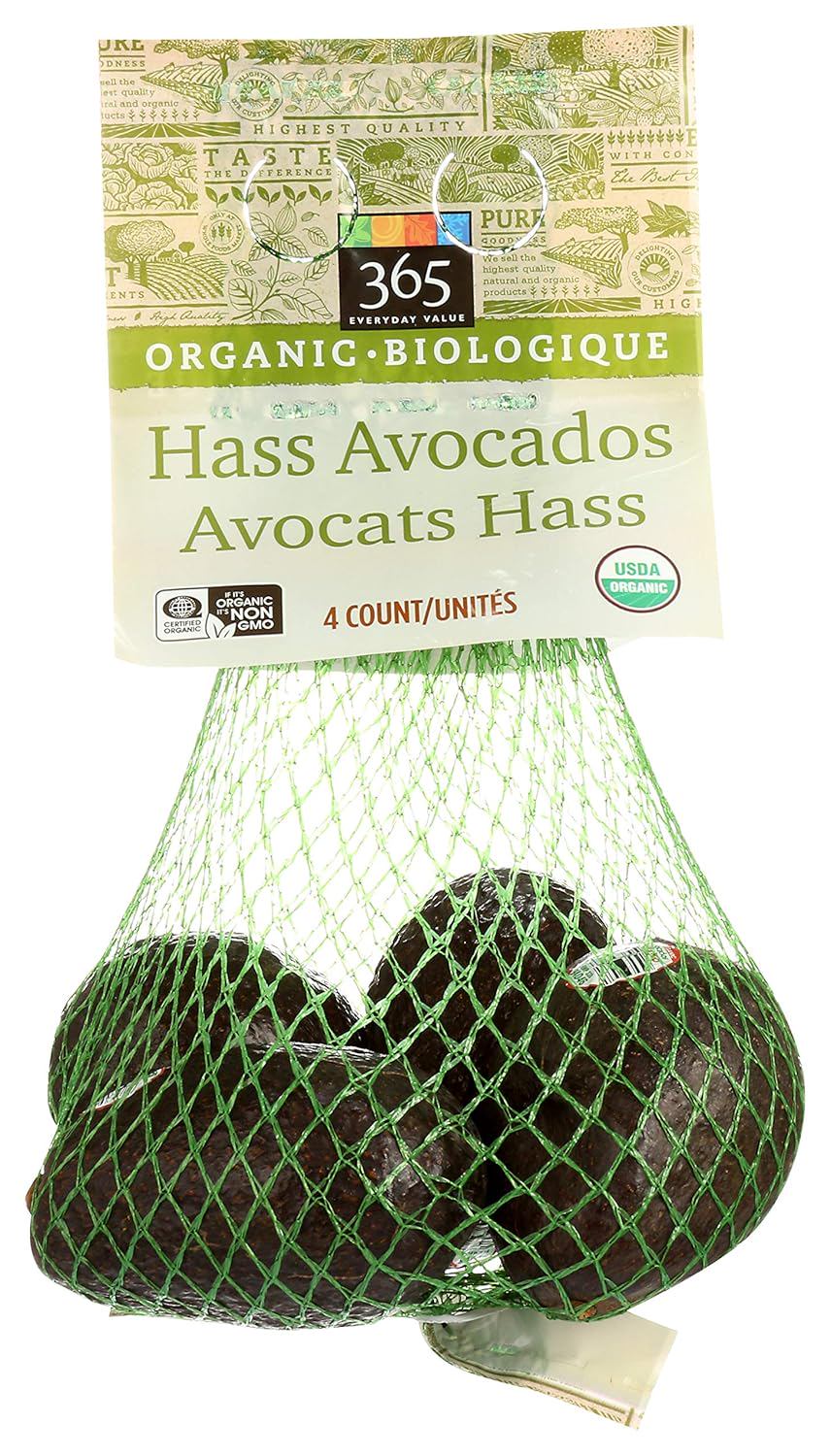
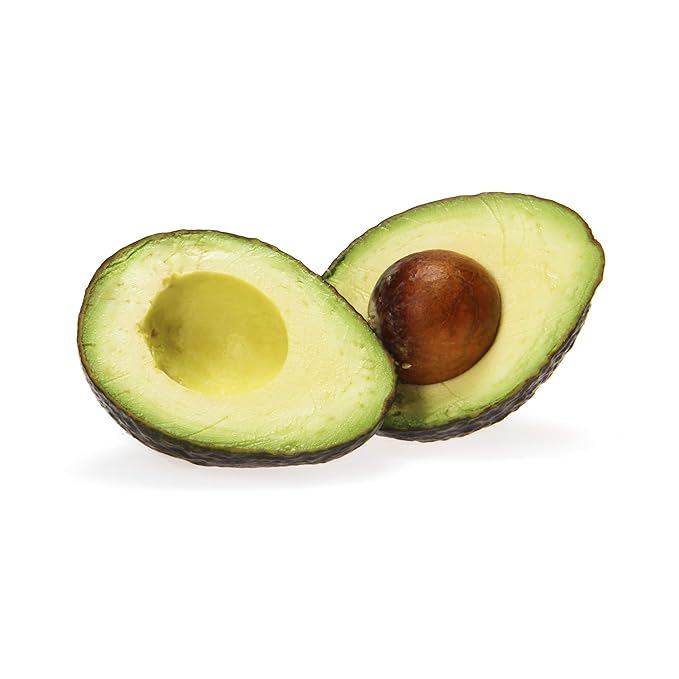
- Grapefruit segments with a few avocado slices
- Banana with a spoonful of coconut cream
- Fruit salad drizzled with a tablespoon of flaxseed oil
The amounts of fat needed are modest. We're not talking about a greasy fry-up. A few almonds, one tablespoon of nut butter, or two tablespoons of full-fat yogurt is enough to significantly improve absorption in many people.
What the science says about timing
There's also evidence that the fat doesn't have to be eaten at the exact same moment. Eating fat up to about an hour before or after the fruit can still have a measurable effect on carotenoid absorption. This gives you flexibility. If you have a piece of fruit for a mid-morning snack, a lunch containing healthy fats later will still help you capture more of the nutrients.
Why this is better than chasing 'superfruits'
The marketing around so-called superfruits often focuses on total antioxidant content. But what really matters is what your body can use. It's far more effective to eat a regular piece of fruit with a bit of fat than to eat a mountain of expensive berries on an empty stomach. The habit is sustainable, affordable, and backed by solid nutritional science.
This also means you can stop worrying about which trendy fruit has the highest ORAC score. The humble apple, eaten with a few pecans, is a powerful antioxidant delivery system. The same goes for a banana with a splash of coconut milk or a handful of grapes with some cheese.
Common mistakes that reduce antioxidant absorption
It's not just about adding fat. Some other habits can accidentally lower the benefits you get from fruit:
- Eating fruit immediately after a very high-fiber, low-fat meal: fiber can bind some antioxidants and reduce absorption; combining fiber with fat helps balance things out.
- Drinking juice instead of eating whole fruit: the lack of matrix (skin, pulp) and minimal fat means you lose a lot of the beneficial compounds.
- Consuming fruit with large amounts of caffeine: some research suggests tannins in coffee and tea may bind to certain polyphenols, though this effect is mild.
The takeaway here is that context matters. The same fruit, eaten differently, can have a very different impact on your health.
One small change, real results
If you want to get more out of the fruit you're already eating, start adding a source of healthy fat. It's backed by decades of research on nutrient bioavailability, and it works without requiring a total overhaul of your diet. Whether it's nuts, seeds, avocado, yogurt, or a drizzle of oil, this simple daily habit can help your body use the antioxidants it needs to protect your cells and support long-term health.