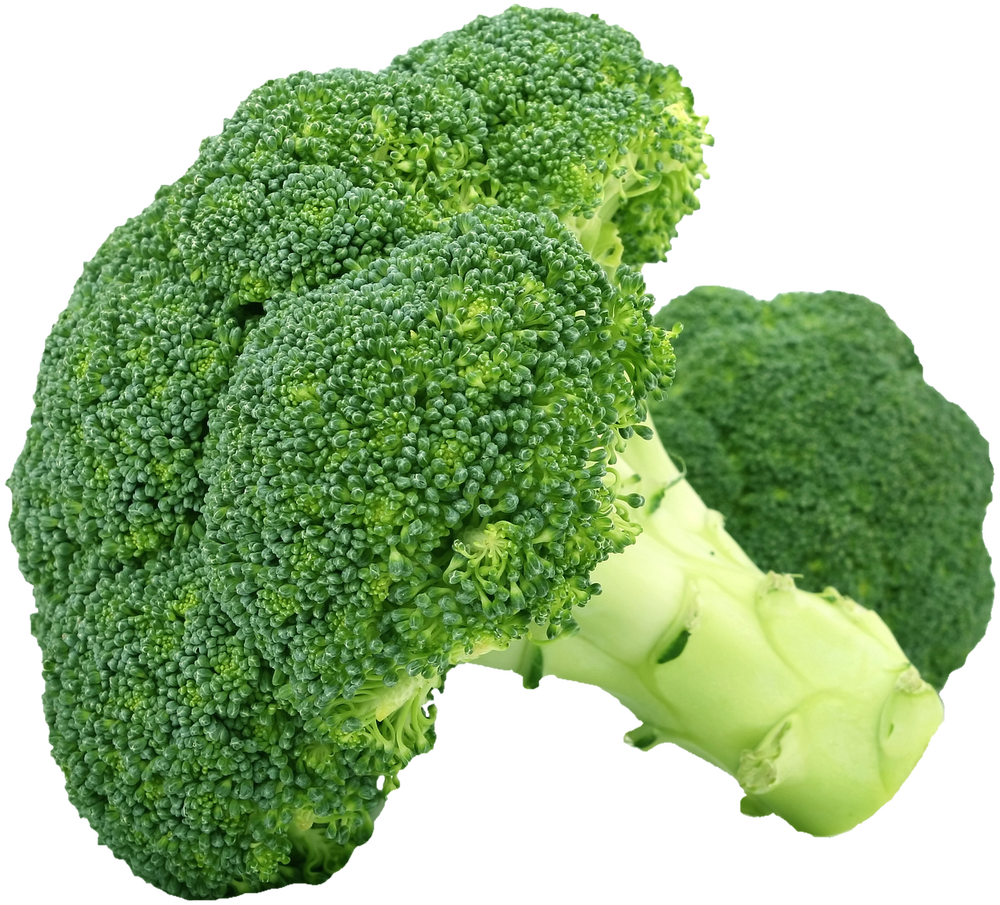
You reach for a salad or a plate of steamed broccoli, feeling good about your choice. Vegetables are packed with fiber, vitamins, and minerals that support digestion and long-term health. But there is one common kitchen habit that can quietly reduce the amount of fiber your body actually gets from that meal — and you may be doing it every day without a second thought.
The issue is not the vegetable itself; it is how you prepare it. Over-processing, especially over-blending or excessive juicing that discards the pulp, strips away the structural fiber that your gut needs. When you remove the insoluble fiber — the roughage that helps move food through your digestive tract — you are left with mostly water and simple sugars. The result is a drink that spikes your blood sugar faster and leaves you feeling hungry sooner, all while missing the gut-healthy benefits of whole vegetables.
Why Fiber Matters More Than You Think
Fiber is not just about regularity. Soluble fiber, found in the soft parts of vegetables like carrots and sweet potatoes, helps manage blood sugar and cholesterol. Insoluble fiber, the tougher stuff in skins and stems, acts like a scrub brush for your intestines. Together, they feed the beneficial bacteria in your gut, keep you full, and support stable energy. When you throw away or liquefy the fibrous parts, you lose that dual action.
A simple guideline: if a vegetable is tough to chew when raw, that toughness is the fiber you want to keep.
The Usual Culprit: Juicing Without the Pulp
Juicing has become a popular morning ritual. It feels efficient — a glass of celery, kale, and apple seems like a fast way to get your greens. But most juicers separate the liquid from the pulp. The pulp is where the insoluble fiber lives. Without it, the vegetable sugars (including those from fruit added for taste) enter your bloodstream more quickly. You also miss the satiety signal that whole vegetables provide. Over time, relying on fiber-stripped juices can leave you less satisfied and more prone to cravings.
What About Blending?
Blending is a better choice if you want to keep fiber in the picture. A smoothie that includes the whole vegetable — skin, seeds, and all — retains the fiber. Just be mindful of how long you blend. Over-blending can break down fiber particles too finely, which may speed up digestion slightly, but it is still far better than discarding the pulp entirely. For vegetables like leafy greens, a quick blend is enough to break the cell walls without destroying the fiber matrix.
Other Ways Fiber Gets Left Behind
Juicing is the most common habit, but there are a few other places where fiber can accidentally disappear:
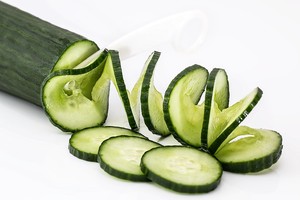
- Peeling vegetables that don’t need peeling. The skins of potatoes, carrots, cucumbers, and apples contain a significant portion of the fiber and polyphenols. Unless a recipe truly requires peeled vegetables (like a silky soup), leaving the skin on adds texture and nutrition.
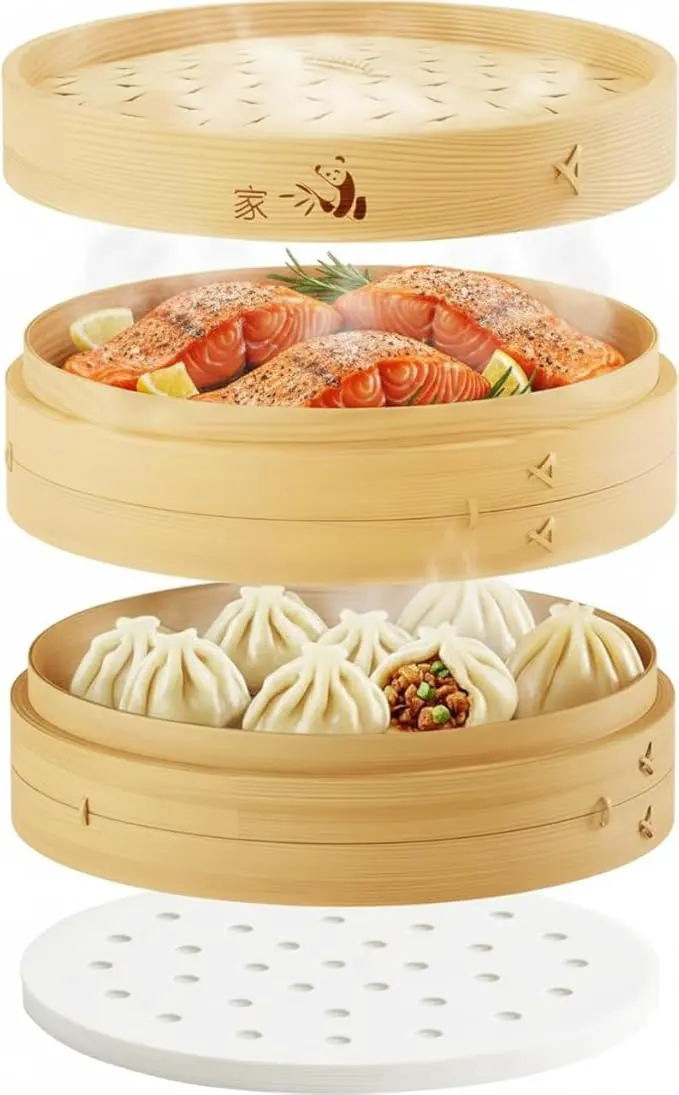
- Overcooking until mushy. Boiling vegetables for long periods can leach water-soluble vitamins, and while the fiber remains, the structure changes. For insoluble fiber to work effectively, it helps to have some chew left. Steaming or roasting until just tender preserves both fiber and taste.
- Choosing pre-cut or pre-shredded vegetables for speed. These are fine in a pinch, but the cutting and storage process exposes more surface area to air, degrading some nutrients. More importantly, the pieces are often very small, which can make you eat faster and chew less — reducing the mechanical breakdown that starts the fiber digestion process.
How to Keep Fiber in Your Vegetables
Protecting the fiber in your vegetables does not require a complete kitchen overhaul. Small adjustments make a big difference. If you enjoy juice, try using a blender instead of a juicer, or save the pulp and add it to muffins, soups, or even veggie burgers. When you cook vegetables, aim for al dente — tender but with a slight bite. And when possible, eat vegetables in their whole form: roast a sweet potato with the skin on, or toss snap peas into a stir-fry without trimming them too much.
Think of fiber as the scaffolding of the plant. You want to eat the scaffolding, not just the interior.
A Note on Variety
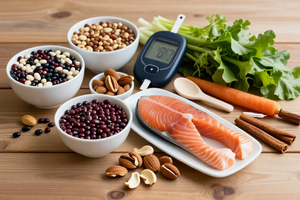
Different vegetables offer different types of fiber. Leafy greens like kale and spinach provide mostly insoluble fiber. Root vegetables and squashes offer a mix of soluble and insoluble. Legumes (beans, lentils) are fiber powerhouses that also bring protein. By rotating your vegetable choices and preparing them with care, you support a diverse microbiome and a more resilient digestive system.
Fiber is one of those nutrients that is easy to overlook because it does not appear on a nutrition label the way vitamin C or calcium does. But it is just as essential. The next time you reach for a vegetable, think about how you are treating it. Your gut will thank you for keeping the stringy, crunchy, chewy parts intact.