
Most people know that a diet high in sodium is a risk factor for high blood pressure, heart disease, and stroke. But many don’t realize that the biggest source of excess sodium isn’t the salt shaker on the table. It’s the quiet, daily habit of reaching for packaged, processed, and preserved foods—items that are engineered for shelf stability, not for your health. Understanding how food preservation methods add hidden sodium to your meals is the first step toward staying within the recommended daily limit.
Food preservation has been practiced for millennia. Our ancestors dried, salted, and stored food in clay jars to keep bacteria and fungi at bay. Salt and sugar were two of the earliest natural preservatives. Today, the same principle still applies, but the scale and chemistry have changed dramatically. Processed foods rely on preservatives that not only extend shelf life but often deliver a hefty dose of sodium in the process. If you’re eating canned soups, deli meats, frozen dinners, sauces, or even sliced bread regularly, you may be consuming far more sodium than you realize—without ever picking up a salt shaker.
Natural vs. artificial preservatives: What’s the difference?
Preservatives are broadly classified into two categories: natural and artificial. Natural preservatives include salt, sugar, oil, and vinegar. These substances have been used safely for centuries and typically don’t alter the chemical structure of the food. Many natural preservatives also contain antioxidants that help delay oxidation and spoilage. Salt, for example, is a classic preservative that draws moisture out of food, creating an environment where harmful microorganisms cannot thrive.
Artificial preservatives, on the other hand, are synthetic additives designed to prevent spoilage and maintain appearance. Common examples include BHA (butylated hydroxyanisole), BHT (butylated hydroxytoluene), sodium benzoate, and potassium sorbate. While these additives are approved by regulatory agencies in small amounts, some research has linked them to health concerns. According to a review in the International Journal of Pharmaceutical Sciences and Research, regular consumption of certain artificial preservatives may contribute to hypersensitivity, asthma, allergies, hyperactivity in children, and even neurological issues. The same preservatives often accompany high-sodium formulations because salt itself acts as both a flavor enhancer and a natural preservative.
How preservatives drive up your daily sodium intake
The American Heart Association recommends no more than 2,300 milligrams of sodium per day for most adults, with an ideal limit of 1,500 mg, especially for those with high blood pressure. Yet the average person in the U.S. consumes about 3,400 mg per day—roughly 50% more than the upper limit. Where does all this extra sodium come from? It’s not from home cooking. Approximately 70% of dietary sodium comes from processed and restaurant foods, according to the CDC.
Preservatives like sodium nitrite, sodium nitrate, and disodium phosphate are common in bacon, ham, hot dogs, canned vegetables, and many frozen meals. Even foods that don’t taste salty—like breakfast cereals, bread, and pastries—can contain significant amounts of sodium as a preservative and leavening agent. The result is that your daily sodium intake may be far higher than you expect, simply because you rely on packaged products for convenience.
The hidden sodium in “healthy” packaged foods
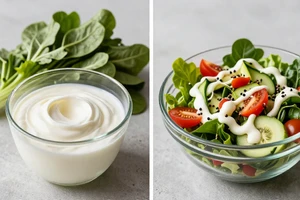
It’s easy to assume that a can of vegetable soup or a bag of pre-washed salad mix is a healthy choice. But many canned soups contain upwards of 700 to 900 mg of sodium per serving—nearly half the daily limit for someone aiming for 2,000 mg. Salad dressings, sauces, marinades, and even some “light” frozen meals are often loaded with sodium to enhance flavor and extend shelf life. Even dairy products like cottage cheese and processed cheese slices can be surprisingly high in sodium.
Simple swaps to cut hidden sodium from your diet
Bringing your sodium intake back in line doesn’t require a complete overhaul overnight. The most effective strategy is to shift away from processed foods and toward whole, minimally processed options. Here are three practical steps that target the root of the problem—the preservatives themselves.
- Read labels like a detective. Check the ingredients list for words like sodium, nitrite, nitrate, phosphate, benzoate, and sulfite. The ingredients are listed in descending order by weight, so if a sodium-based preservative appears early, the product is likely high in sodium. Compare brands and choose the one with the lowest sodium content per serving.
- Shop the perimeter of the grocery store. Most supermarkets are designed with fresh produce, meat, dairy, and whole grains around the outer aisles. The inner aisles contain the processed, packaged foods. Research from the Mayo Clinic suggests that shopping the perimeter naturally steers you toward whole foods and away from preservative-laden items.
- Cook from scratch whenever possible. This is the single most effective way to control your sodium intake. When you prepare meals at home, you decide exactly how much salt goes into the pot—and you can use herbs, spices, citrus, and vinegar to flavor your food instead. Start with small changes: instead of bottled dressing, whisk together olive oil and lemon juice. Instead of canned beans, cook dried beans in bulk and freeze portions for later.
A simple rule: if it comes in a box, bag, can, or jar with more than five ingredients, it’s likely a source of hidden sodium.
How to identify preservatives on food labels
Because preservatives serve different functions—preventing mold, stopping oxidation, preserving color—they appear under various names. Sulfur dioxide and sodium sulfite are used to prevent browning in dried fruit and wine. Sodium benzoate is common in acidic foods like salad dressing and soda. BHA and BHT are added to cereals, chips, and chewing gum to keep fats from going rancid. The key is to recognize that these additives are markers for processed foods. While not every preservative is dangerous, the combination of preservatives and high sodium in packaged products makes it hard to moderate your intake.
Making gradual changes that last
Eliminating all processed foods overnight is unrealistic and unnecessary. Instead, focus on one meal at a time. If you typically have cereal for breakfast, try oatmeal with fresh fruit. For lunch, swap a deli-meat sandwich with a whole-grain bowl made with leftover roasted vegetables and chickpeas. Dinner might mean swapping frozen fish sticks for a fresh fillet you season and bake yourself. These small swaps add up, and over a few weeks, you’ll notice your palate adjusting to less salt.
Why it matters for long-term health
Reducing your reliance on preservative-heavy foods does more than just curb sodium intake. It also helps lower your consumption of saturated fats, added sugars, and empty calories that are often found alongside preservatives in processed foods. Over time, this shift can help reduce inflammation, support heart health, aid in weight management, and lower your risk for chronic disease. The goal isn’t perfection—it’s awareness. Once you know where the sodium is hiding, you can make informed decisions that align with your health goals.