You’ve stocked up on flaxseeds, take your fish oil, and maybe even add walnuts to your oatmeal. But here’s the catch that many people miss: those omega-3s won’t do you much good unless you eat them alongside the right kind of fat. It’s a daily habit mistake that can quietly undermine your efforts—because omega-3s need a fatty escort to actually get into your cells.
This isn’t just a biochemical footnote. It’s the difference between an investment in your health and a well-intentioned habit that falls short. The good news? The fix is simple, delicious, and rooted in how traditional cuisines have always paired foods.
Why omega-3s need fat for absorption
Omega-3 fatty acids—specifically EPA and DHA from marine sources, and ALA from plants—are fat-soluble. That means they need dietary fat to be properly absorbed in the small intestine. Without it, your body may excrete them before they ever get a chance to reduce inflammation, support brain function, or strengthen cell membranes.
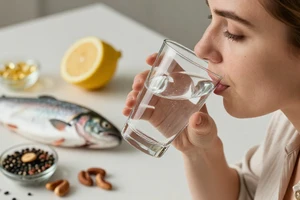
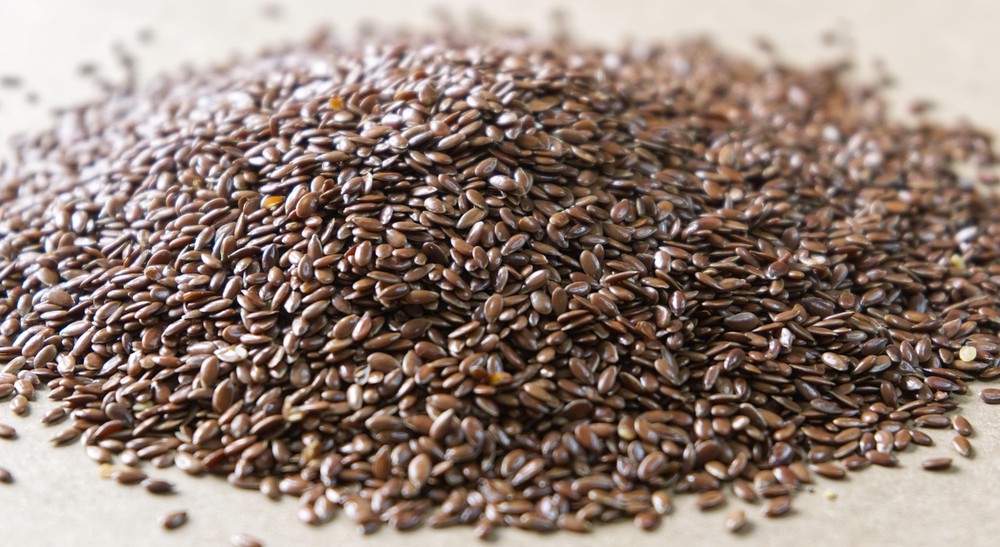
Think of fat as a vehicle. If you sprinkle flaxseed meal on a dry salad with no dressing, or swallow a fish oil capsule with just water, you’re sending those beneficial fats on a trip with no way to get where they need to go. A little healthy fat changes everything.
The right fats to pair with omega-3s
Not all fats are equal for this job. You want unsaturated fats that are liquid at room temperature—they help emulsify and transport the omega-3s across your gut lining. Here are three that work particularly well:
- Extra-virgin olive oil – Rich in monounsaturated fats and polyphenols, it’s a classic partner for omega-3-rich fish or leafy greens.
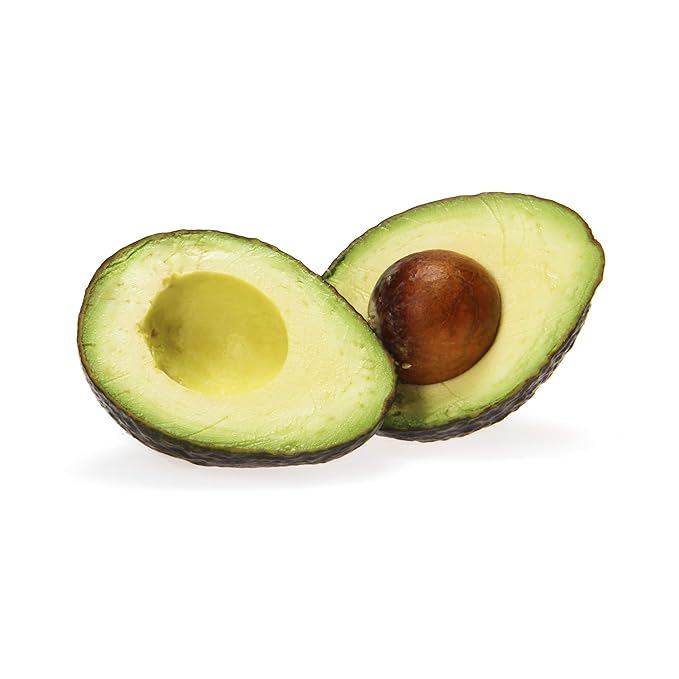
- Avocado – Sliced on toast with smoked salmon or blended into a dressing for a flaxseed-topped salad, avocado delivers both texture and absorption power.
- Nuts and seeds – Walnuts, chia seeds, and hemp hearts already contain ALA, but their own natural fat content also helps absorb omega-3s from other foods you eat at the same meal.
Even full-fat yogurt or a drizzle of tahini can do the trick. The key is to avoid fat-free dressings, dry salads, and “lite” versions of foods when you’re trying to get the most from your omega-3s.
Common daily habits that block absorption
Many people unknowingly sabotage their omega-3 intake by pairing it with the wrong foods or timing. Here are a few patterns to watch for:
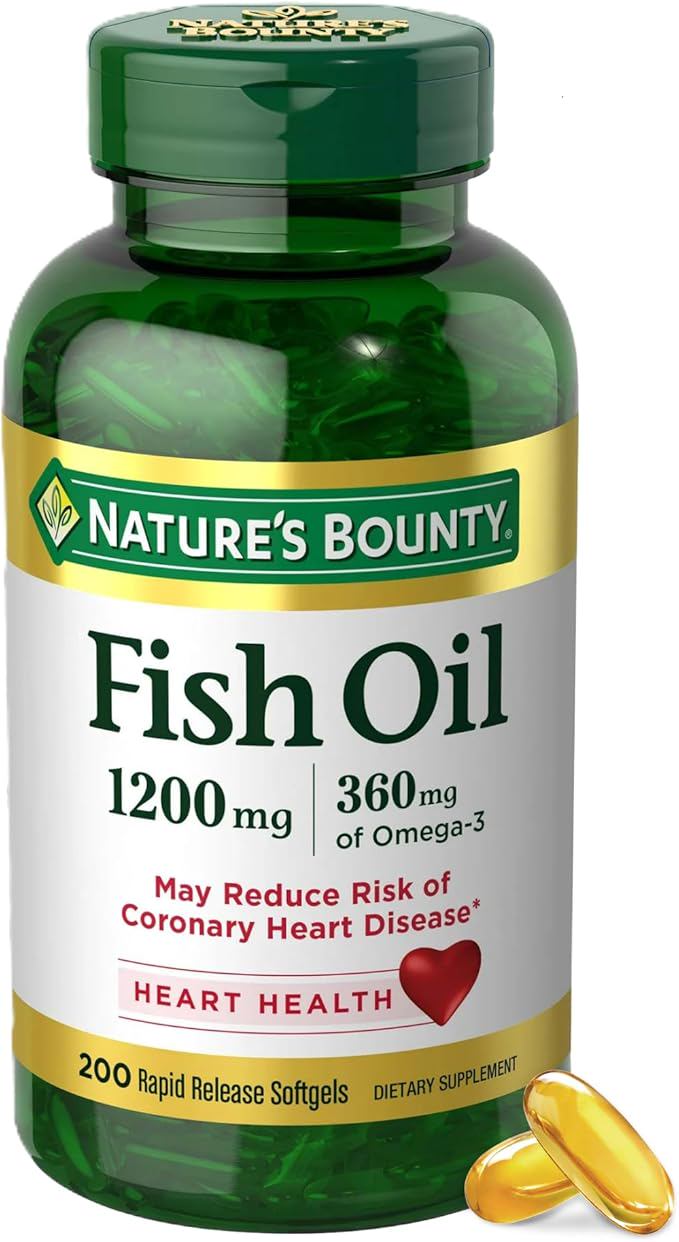
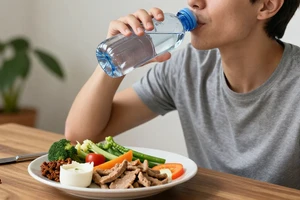
- Taking supplements on an empty stomach – Fish oil or algae oil capsules need a meal that contains fat. Swallowing them with black coffee or a glass of water is nearly pointless.
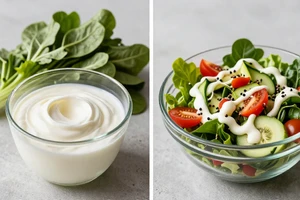
- Using fat-free dressings on omega-3-rich salads – A spinach salad with walnuts and salmon sounds great, but without a full-fat vinaigrette, you’re missing the absorption step.
- Pairing omega-3s with high-fiber foods in isolation – Fiber is great, but an all-fiber meal (like a plain oat bowl with flax on water) can reduce fat absorption. Add some nut butter or seeds.
One of the simplest fixes: cook your salmon or other oily fish in a little olive oil or serve it with a side of avocado. The synergy is immediate.
How this works in real meals
You don’t need to overhaul your diet. Small tweaks make a big difference. Here are practical ways to pair omega-3s with healthy fats throughout the day:
- Breakfast: Chia pudding made with full-fat coconut milk. Chia seeds are an omega-3 powerhouse, and the coconut milk provides the fat they need.
- Lunch: A quinoa bowl with grilled sardines (or chickpeas for plant-based omega-3s), topped with avocado and a lemon-olive oil dressing.
- Snack: A handful of walnuts eaten alongside an apple—the apple’s pectin and water slow digestion, while the walnut’s own fat helps absorb its ALA.
- Dinner: Baked trout brushed with olive oil, served with steamed greens drizzled with tahini.
What about processed “enriched” foods?
Foods like omega-3-enriched eggs, milk, or bread are convenient, but they often contain very little fat on their own. The omega-3s added to these products are usually small amounts of ALA or DHA, and without a fatty meal surrounding them, the absorption rate drops. If you rely on these foods, pair them with a fat source—cook the omega-3 egg in butter, or spread avocado on your enriched toast.
A note on supplement timing
If you take an omega-3 supplement—fish oil, krill oil, or algae oil—take it with your largest meal of the day, especially one that contains around 10–15 grams of fat. A meal with grilled chicken, a handful of almonds, and roasted vegetables dressed in olive oil works well. This isn’t just about absorption; it also reduces the chance of fishy burps or stomach upset.
Frequently asked questions
Can I get enough omega-3s from plant sources alone?
Yes, but it requires more attention. Plant-based ALA (from flax, chia, walnuts) must be converted to EPA and DHA in the body—a process that is inefficient. To maximise absorption, always pair these with healthy fats like olive oil, avocado, or nuts. Some people also benefit from an algae-based DHA supplement.
Is it better to get omega-3s from food or supplements?
Food sources (salmon, mackerel, sardines, flaxseeds, chia) come with built-in fats and co-factors that aid absorption. Supplements are a reliable backup but should be taken with a meal containing fat. Whole foods generally offer better absorption and additional nutrients.
How much fat do I need to absorb omega-3s effectively?
Aim for about 10–15 grams of fat per meal that contains omega-3s. That’s roughly one tablespoon of olive oil, half an avocado, or a small handful of nuts. More isn’t necessarily better—just enough to ensure the omega-3s are transported.
Can I just eat fat-free foods with my omega-3s and then eat fat later?
Timing matters. For optimal absorption, the fat should be present in the same meal as the omega-3s. Eating fat an hour later won’t help because the omega-3s may already pass through your digestive system unabsorbed.