You’ve got your pre-workout meal planned. Maybe it’s a banana with peanut butter, a bowl of oatmeal, or a scoop of protein powder. You eat it, you wait a bit, and then you hit the weights. But what if the time you’re waiting is actually working against you?
The most common timing mistake in pre-lift nutrition isn’t eating too little or too much—it’s eating at the wrong interval relative to your training session. Many lifters either fuel up too close to their set, leaving food half-digested in their stomach, or they eat so far in advance that their blood sugar has already spiked and crashed by the time the barbell is loaded. Both scenarios can sabotage energy levels, focus, and performance.
Why Timing Matters More Than You Think
Digestion is not instant. When you eat a meal containing carbohydrates, protein, and fat, your body needs time to break it down, absorb nutrients, and shuttle them into your bloodstream. The goal of pre-lift nutrition is to have a steady supply of glucose available for your muscles without an active digestive process competing for blood flow during your workout.
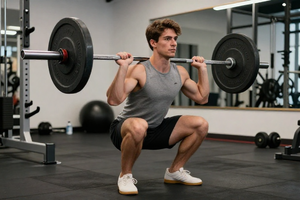
If you eat too close to training—say, 15 to 20 minutes before—your stomach is still working hard. Blood is diverted to your gut to help with digestion, which means less is available for your working muscles. This can lead to feelings of bloating, sluggishness, or even nausea under a heavy squat. On the flip side, if you eat two or three hours before and don’t have a small top-up closer to your session, your energy may dip mid-workout as stored glycogen starts to run low.
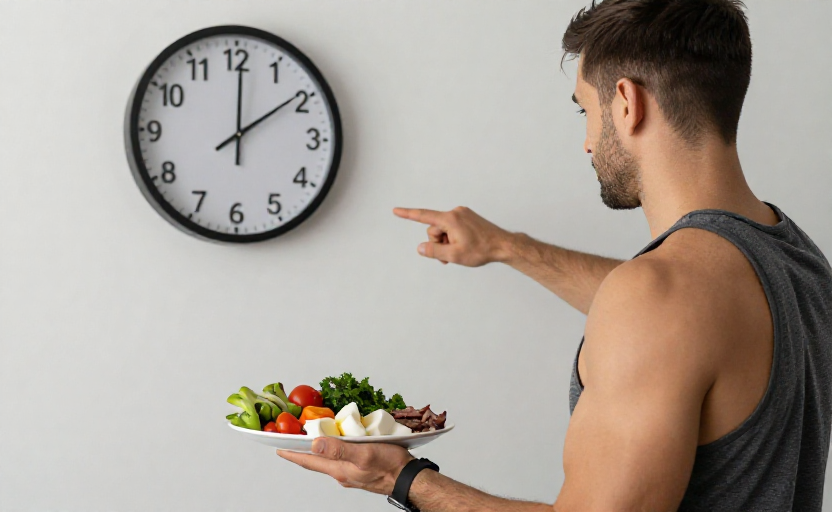
A good rule of thumb: give a mixed meal two to three hours to digest, and a small snack 30 to 60 minutes before lifting.
The Sweet Spot for a Mixed Meal
A balanced pre-workout meal—think chicken, rice, and vegetables, or a whole-grain wrap with turkey and avocado—needs about two to three hours of digestion time. This window allows your stomach to empty, your blood sugar to rise gently, and your insulin to do its job of ushering nutrients into cells without leaving you feeling too full or too hungry.
When you time this correctly, you step into the gym with stable energy. Your muscles are loaded with glycogen, your blood glucose is steady, and you are not distracted by hunger or digestive discomfort. Lifters who skip this window often find themselves flagging by the third or fourth set of a compound lift.
What Happens When You Cut It Too Short
Eating a full meal 30 minutes before lifting is a common mistake, especially for people who train after work and try to squeeze in dinner beforehand. The result is often a workout where you feel heavy, your stomach is sloshing, and you cannot get a full breath on the concentric portion of the lift. You may also experience reflux or cramping. The body simply cannot prioritize both digestion and maximal muscular output at the same time.
The Smart Snack Strategy
If you are the type who trains early in the morning or simply cannot stomach a full meal hours before a session, a smaller snack eaten 30 to 60 minutes prior is a far better option. This snack should be lower in fat and fiber to speed digestion, and moderate in protein to help with amino acid availability.
Good choices include a banana, a rice cake with a thin spread of almond butter, a small apple with a handful of pretzels, or a scoop of a simple carbohydrate drink. These digest quickly and provide readily available glucose without leaving you feeling stuffed.
If you eat a snack too close to training—within 10 minutes—you may still feel it sloshing around. Aim for at least 30 minutes of buffer time.
How Individual Factors Change the Equation
The ideal timing window is not universal. It depends on your personal digestion speed, the size and composition of your meal, and your tolerance for food before physical activity. Some athletes can eat a peanut butter sandwich 45 minutes before deadlifts and feel great; others need a full three hours. The mistake is assuming there is one perfect number for everyone.
Start with the two- to three-hour window for a full meal and the 30- to 60-minute window for a snack. Then adjust based on how you feel during your next few workouts. If you feel heavy or nauseous, push the meal back another 30 minutes. If you feel hungry or low on energy, eat a slightly larger snack or move your meal closer by 15 minutes.
Practical Tips for Better Pre-Lift Timing
- Plan backward from your workout time. If you train at 6:00 PM and eat a full meal, schedule it for 3:30 or 4:00 PM. If you need a snack, aim for 5:00 to 5:30 PM.
- Keep a simple log. Note what you ate and when, along with how you felt during the first 20 minutes of training and by the end. Patterns will emerge quickly.
- Hydrate on a separate schedule. Water does not need the same digestion buffer, but chugging a liter right before lifting can cause discomfort. Sip water steadily in the hour before you train.
- Don’t forget post-workout nutrition. While pre-lift timing sets you up for success, what you eat after also matters for recovery. Keep your focus on the pre-lift window without neglecting the big picture.
Common Signs You Misjudged Your Timing
If you consistently feel any of the following during your lifting sessions, your pre-workout nutrition timing may be off:
- Bloating or stomach discomfort in the first 15 minutes of lifting
- Feeling suddenly weak or shaky halfway through your workout
- Nausea or acid reflux during bent-over rows or squats
- Lack of explosive power on your first working set
The fix is rarely a drastic change. Usually, shifting your meal back by 30 minutes, reducing the portion size, or swapping a heavy meal for a lighter snack 60 minutes before is enough to restore consistent performance.
The Bottom Line
Pre-lift nutrition is not just about what you eat—it is about when you eat it. The most common timing mistake is either eating too close to your workout or too far away. By allowing two to three hours for full meals and 30 to 60 minutes for light snacks, you can avoid the sluggishness, bloating, and energy crashes that derail strength sessions. Experiment within those guidelines until you find your own rhythm.