If your midday meals have become a cycle of sad desk salads, leftover pasta, or another turkey sandwich, your brain and body might be sending you a signal. Specifically, a signal for more omega-3s. Many busy adults know they should eat better at lunch, but the combination of convenience and time pressure often pushes protein-heavy, nutrient-light options to the front of the line.
The good news is that you do not need to overhaul your entire kitchen or spend Sunday meal-prepping for hours. By swapping a few key ingredients in your standard lunch rotation, you can significantly boost both your protein intake and your omega-3 fatty acid profile. These are the real-world trades that keep you full, focused, and fueled through the afternoon—without the 3 p.m. crash.
Why omega-3s belong at lunch
Omega-3 fatty acids—primarily EPA and DHA—are critical for brain function, reducing inflammation, and supporting cardiovascular health. Yet most adults skimp on them, especially when lunch revolves around lean chicken breast, deli meat, or plant-based proteins that are low in these essential fats. Adding omega-3s to your lunch doesn't just help your heart; it stabilizes blood sugar and keeps mental fog at bay when your to-do list is long.
The trick is pairing high-quality protein with fat sources that actually deliver DHA and EPA (the forms your body uses most readily). Here are the highest-impact swaps that fit into a realistic schedule.
Swap your tuna salad for a wild salmon bowl
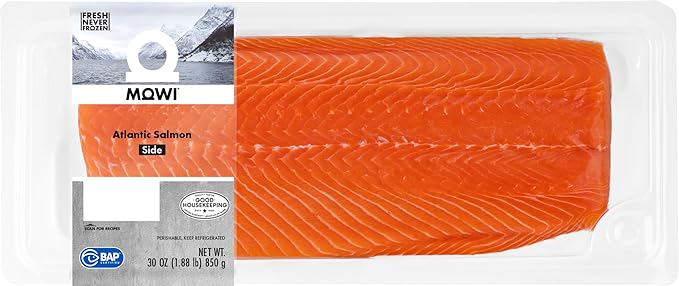
Canned light tuna is a convenient protein, but it is relatively low in omega-3s compared to salmon, and it comes with mercury concerns if eaten often. Instead, try a wild salmon bowl using canned or pouch salmon. Mix it with avocado, cucumber, edamame, and a splash of rice vinegar over leafy greens or quinoa. You get roughly 1.5 grams of combined EPA and DHA per serving—well above what tuna provides—plus substantial protein (around 25 grams) and fiber from the vegetables and quinoa. This swap takes the same amount of time as mixing up a tuna salad, and it keeps you satisfied for hours longer.
Replace your chicken wrap with smoked trout or mackerel on rye
Chicken wraps are a classic quick lunch, but poultry is virtually devoid of omega-3s unless it is pastured and fed flaxseed (and even then, the levels are modest). A simple swap: use smoked trout or mackerel fillets on a slice of hearty rye or sourdough, with a smear of Greek yogurt mixed with dill and lemon. Both trout and mackerel are exceptionally high in DHA and EPA—mackerel can contain upwards of 3 grams of combined omega-3s per 100 grams. This swap also provides lean, complete protein and a dose of vitamin D, which many adults lack. If you're worried about the smell at your desk, choose hot-smoked varieties, which are milder than cold-smoked options.
Swap your grain bowl base for hemp seeds and walnuts
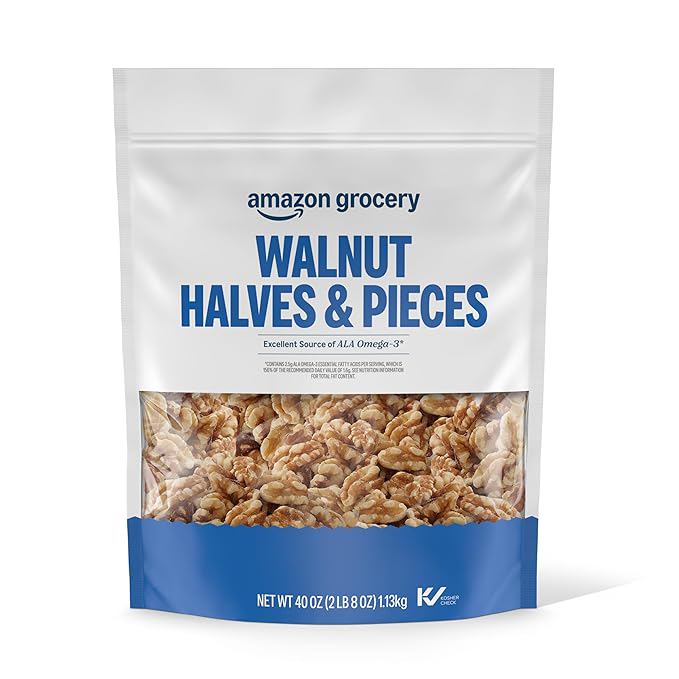
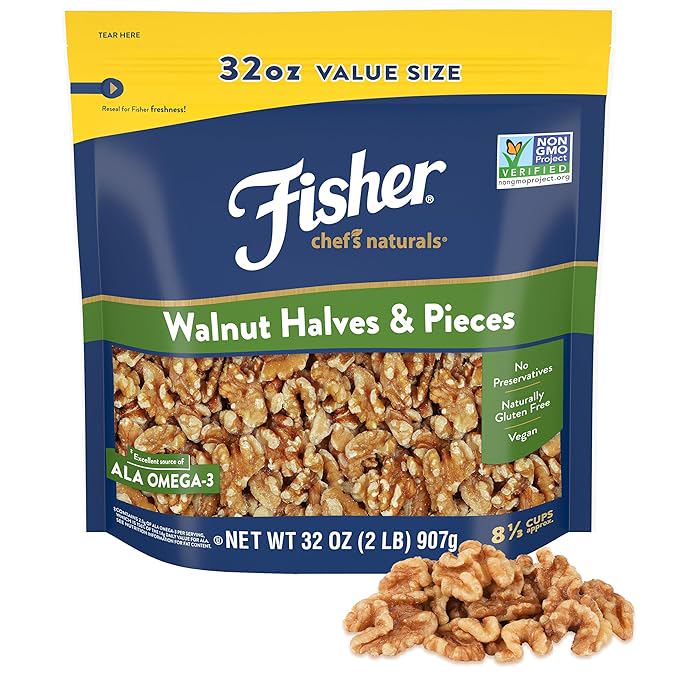
Vegetarian or plant-forward lunches often miss the omega-3 mark because flax and chia seeds need to be ground for absorption, and their ALA form has low conversion to EPA/DHA. A better strategy: use a base of cooked quinoa or farro, then top it with a generous handful of raw walnuts and a tablespoon of hemp seeds. Walnuts provide ALA (the plant form) along with protein and fiber, while hemp seeds offer a complete protein profile plus a small amount of GLA (an omega-6 that supports anti-inflammatory pathways). To truly bridge the DHA gap, add a half-serving of an algae oil supplement or a tablespoon of algal oil dressing—this is the most efficient way to get direct DHA without eating fish.
Pro tip: Keep a jar of walnut-hemp seed dressing in your fridge. Whisk hemp seeds, lemon juice, olive oil, and a pinch of salt. It stays good for a week and transforms any grain or salad bowl.
Swap your mayo-based dressing for an omega-3 vinaigrette
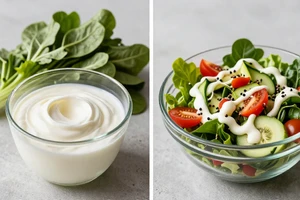
Most store-bought dressings are made with soybean or canola oil, which are high in omega-6s and can throw off your fatty acid balance if consumed heavily. Instead, make a simple flaxseed oil and lemon vinaigrette. Flaxseed oil is one of the richest plant sources of ALA, and because it's not heat-processed, it's ready to be absorbed. Mix two tablespoons of flaxseed oil with the juice of half a lemon, a teaspoon of Dijon mustard, and a splash of water. This dressing works on any lunch salad and adds around 7 grams of ALA per serving. While ALA conversion to DHA is limited, consistent consumption over time can modestly improve your omega-3 index, especially when combined with other swaps on this list.
Prioritize sardines or anchovies as a flavor booster
If you are not ready to commit to a whole fish lunch, sardines or anchovies can be used as a high-omega-3 flavor ingredient. A single tin of sardines (drained) provides about 1.5 grams of combined EPA and DHA, along with 20 grams of protein. Mash them into a paste with olive oil, capers, and herbs, then spread it on crackers or use it as a sandwich spread. Anchovy paste works similarly—stir a teaspoon into your salad dressing or onto roasted vegetables. This is a nearly zero-effort swap that elevates the nutritional profile of whatever you are already eating.
Turn your leftovers into omega-3-rich bowls
Leftover pasta or stir-fry can be upgraded in five minutes. Toss in a can of pink salmon or a fillet of leftover grilled mackerel along with a handful of frozen edamame and a drizzle of the flax vinaigrette. The protein and healthy fats transform a carb-heavy leftover into a balanced meal that supports steady energy. For those who do not eat fish, use edamame (a complete plant protein) and algae oil as your finishing fat. Algae oil is neutral tasting and can be drizzled directly over warm food without losing its EPA/DHA content.
Balance is what works
The goal is not to eat fish at every lunch. Rather, the aim is to build a pattern. By swapping in these ingredients two or three times per week, you create a sustainable habit that improves your omega-3 intake without requiring special recipes or expensive ingredients. Pair any of these swaps with a side of vegetables or a piece of fruit, and you have a lunch that actually supports your afternoon productivity.
Remember to drink plenty of water throughout the day, as omega-3 metabolism requires good hydration. And always check with a healthcare provider before making significant dietary changes, especially if you are taking blood-thinning medication or have a medical condition. This article is for general wellness education only and is not personalized medical advice.