If your afternoons are marked by a familiar slump—the 3 p.m. fog, the craving for a sugary pick-me-up, the feeling that lunch just didn’t stick—your midday meal might be missing a key ingredient. It’s not more volume; it’s more protein. Swapping out low-protein staples for richer, protein-packed alternatives can transform your lunch from a fleeting pause into a source of lasting energy and satisfaction.
Protein is uniquely satiating. It takes longer to digest than refined carbohydrates, helping to stabilize blood sugar and curb the hunger hormones that often lead to mindless snacking. By making a few thoughtful swaps, you can build a lunch that powers you through the rest of your day with steady focus and far less temptation.
Why Protein Makes Your Lunch More Satisfying
Think of your last truly filling lunch. Chances are, it wasn’t a plate of plain pasta or a simple green salad. The feeling of fullness and contentment after a meal, known scientifically as satiety, is heavily influenced by protein. When you eat protein, your body releases hormones like peptide YY and GLP-1, which send signals to your brain that you’ve had enough. This process is more pronounced with protein than with fats or carbohydrates.
Beyond hormones, the thermic effect of food—the energy your body uses to digest and process nutrients—is highest for protein. Your body works a bit harder to break it down, which contributes to that sustained feeling of energy. A lunch built on a solid protein foundation helps avoid the rapid spike and crash in blood sugar that comes from meals heavy in refined carbs, keeping energy and mood on a more even keel.
A simple rule of thumb: aim for a palm-sized portion of protein as the centerpiece of your lunch plate.
Simple, High-Impact Food Swaps
You don’t need a complete dietary overhaul. Often, the most effective changes come from upgrading one component of your usual lunch. Here are some targeted swaps that add a meaningful protein boost.
Instead of a plain salad… add these proteins.
A bowl of greens is a great start, but without protein, it’s unlikely to keep you full for long. Transform it by topping it with:
- A generous scoop of chickpeas or lentils: A half-cup of chickpeas adds about 7 grams of protein and plenty of fiber.
- Leftover roasted salmon or chicken: Cooking extra at dinner is the easiest lunch prep. A 3-ounce portion of chicken breast adds roughly 26 grams of protein.
- A hard-boiled egg or two: Each egg provides about 6 grams of complete protein and healthy fats.
- A quarter-cup of shelled edamame: These young soybeans offer 8 grams of plant-based protein and a pleasing texture.
Instead of a white bread or wrap… choose a protein-rich base.
The vessel matters. Swapping your bread can add 5-10 extra grams of protein without effort.
- Whole-grain or seeded bread: Look for options with at least 3-5 grams of protein per slice. Sprouted grain breads often have even more.
- Whole-wheat tortillas or protein wraps: Many brands now offer wraps made with added plant proteins like chickpea or lentil flour.
- Lettuce cups or collard green leaves: For a low-carb, crunchy alternative that lets your fillings shine.
Instead of mayonnaise-based salads… use Greek yogurt or mashed avocado.
Chicken, tuna, and egg salads are lunch classics, but they’re often bound with mayo, which adds fat but little protein. For a creamier, more nutritious binder:
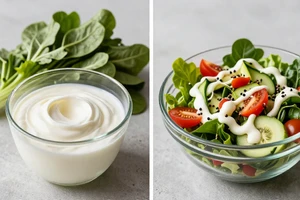
- Swap half or all of the mayo for plain Greek yogurt. A quarter-cup of nonfat Greek yogurt has about 6 grams of protein compared to mayo’s 0 grams. It adds a tangy flavor and creamy texture.
- Use mashed avocado. While not high in protein, it provides healthy fats and fiber for satiety, creating a richer, more satisfying salad.
Instead of rice or pasta… try these hearty grains and legumes.
Your grain side dish can pull double duty. Consider replacing refined grains with:
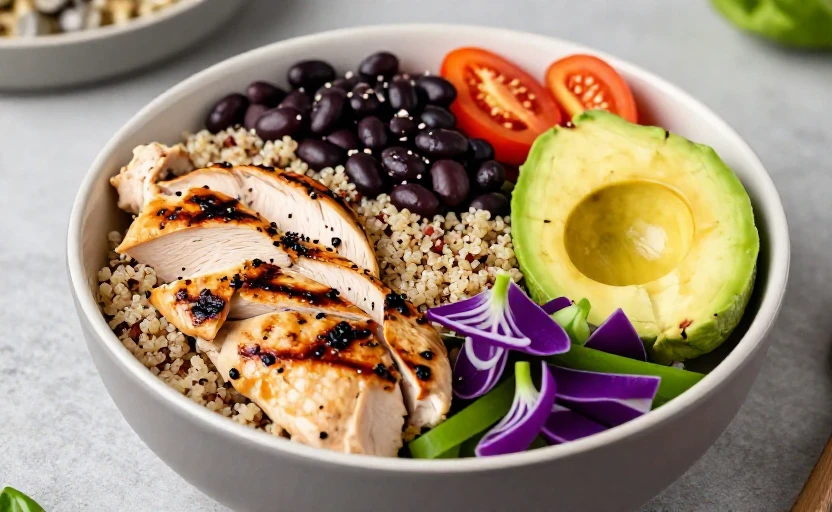
- Quinoa: A complete protein, offering about 8 grams per cooked cup.
- Farro or freekeh: Chewy, nutty ancient grains with more protein and fiber than white rice.
- Lentils or black beans: Mix them into a grain bowl or use as a bed for vegetables. A half-cup of cooked lentils provides about 9 grams of protein.
Building a Balanced, Protein-Packed Lunch Plate
With these swaps in mind, the goal is balance. A satisfying lunch combines protein with fiber (from vegetables, fruits, and whole grains) and a source of healthy fat (like avocado, nuts, or olive oil). This trio works synergistically to slow digestion and promote long-lasting fullness.
Visualize your plate: fill half with non-starchy vegetables (like broccoli, peppers, or leafy greens), a quarter with your protein source, and a quarter with a complex carbohydrate or starchy vegetable. Add a drizzle of olive oil or a sprinkle of seeds for fat.
Remember, the aim isn’t perfection or deprivation. It’s about making choices that make you feel better, longer. Start with one swap that appeals to you this week. Maybe it’s adding chickpeas to your salad or trying a Greek yogurt chicken salad. Notice how you feel in the hours that follow. That sustained energy and quiet stomach are the best indicators that you’ve found a swap that works for you.