You finished your last set, racked the weights, and caught your breath. Now comes the part that actually builds the muscle you just worked: recovery. What you drink in that first window after a hard lifting session can either help your body repair or leave it struggling to catch up. We asked registered dietitians to settle the debate once and for all.
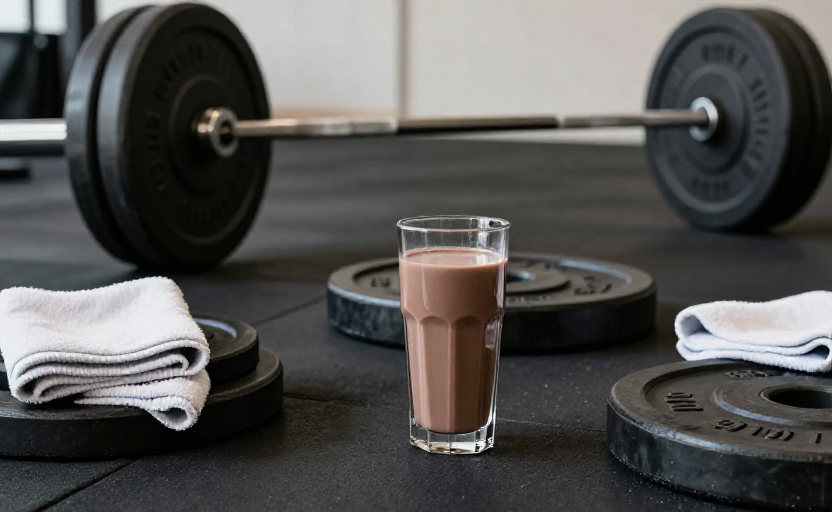
The verdict is clear, and it might surprise you if you are used to reaching for a neon-colored sports drink or a fancy recovery powder. According to dietitians who work with athletes and active adults daily, the single best drink for muscle recovery after lifting is good old-fashioned chocolate milk.
Chocolate milk contains a near-ideal ratio of carbohydrates to protein—roughly 3:1 or 4:1, depending on the brand—which happens to be exactly what your muscles need after resistance training. The carbs replenish the glycogen you just burned through, while the protein provides the amino acids necessary for muscle repair. On top of that, it provides fluid and electrolytes for rehydration, plus calcium for bone health.
Why chocolate milk beats the alternatives
Many commercial recovery drinks are designed around the same carb-to-protein ratio that chocolate milk delivers naturally. But chocolate milk brings additional benefits that powders and pre-mixed bottles lack. It contains natural electrolytes like potassium, sodium, and magnesium—no artificial additives needed. The calcium content supports muscle contraction and bone density, both critical for lifters. And compared to most recovery supplements, it is significantly cheaper and easier to find.
Dietitian Marie Spano, a sports nutrition specialist for the Atlanta Braves, notes that studies have consistently shown chocolate milk to be as effective as commercial recovery beverages for promoting muscle protein synthesis and replenishing glycogen stores after resistance exercise. A 2019 meta-analysis published in the European Journal of Clinical Nutrition reviewed multiple trials and concluded that milk-based beverages, especially chocolate milk, improved recovery markers like muscle soreness and strength restoration as well as or better than specialized sports drinks.
A quick word of caution: If you are lactose intolerant, chocolate milk can cause digestive distress. In that case, try a lactose-free chocolate milk or a soy-based chocolate beverage with a similar carb-to-protein profile.
When to drink it for best results
Timing matters for recovery nutrition. Dietitians recommend drinking your chocolate milk within 30 to 60 minutes after your last rep. This period, often called the metabolic window, is when your muscles are most receptive to nutrients. During this time, blood flow to the muscles is elevated, and insulin sensitivity is higher, meaning the carbs and protein you consume are more likely to be used for repair and storage rather than being stored as fat.
A standard 8-ounce serving (about one cup) works well for most people after a typical 45- to 60-minute lifting session. If your workout was exceptionally long or intense—think two hours of heavy compound lifts—you might want to increase to about 16 ounces. The exact amount depends on your body weight and training volume, but starting with one cup is a safe, effective recommendation.
What about protein shakes or water?
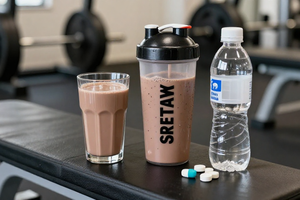
Protein shakes serve a purpose, especially if you need a higher protein dose or have dietary restrictions. A whey protein shake with a banana can approximate the macronutrient profile of chocolate milk. However, protein shakes alone often lack the carbohydrate content needed to fully replenish glycogen stores. If you go the shake route, pair it with a carb source such as fruit or oats.
Plain water, while essential for hydration, does nothing for muscle repair or glycogen restoration. It simply rehydrates you. That is important, but it is not enough on its own for recovery after lifting. Electrolyte-enhanced waters are better than plain water for hydration but still lack protein and carbs.
How to pick the best chocolate milk
Not all chocolate milk is equal. For recovery purposes, look for these qualities:
- Real milk as the first ingredient (milk, not water and powdered milk)
- Around 8 grams of protein per cup (standard for cow's milk)
- About 25 to 30 grams of carbohydrates per cup
- Minimal added sugars beyond what is needed for flavor—check the label
Organic options are fine but not necessary. Dairy-free chocolate milks made from soy can work, but check the protein content: many almond and oat milk versions have only 1 to 2 grams of protein per serving, which is not enough for recovery. Soy milk typically matches cow's milk in protein content.
Other recovery drink options
If chocolate milk does not appeal to you or does not fit your diet, these alternatives have similar recovery benefits:
- Cherry juice. Tart cherry juice is rich in antioxidants and has been shown to reduce muscle soreness and inflammation. It lacks protein, so pair it with a protein source like Greek yogurt or a handful of nuts.
- Kefir. This fermented milk drink provides probiotics along with protein and carbs. The live cultures may aid digestion, which can be helpful after heavy training that stresses the gut.
- Beet juice. Beetroot juice contains nitrates that improve blood flow and oxygen delivery to muscles. Drink it before or after training, but note that it is low in protein—add a scoop of protein powder if using for recovery.
The bottom line from dietitians
When you strip away the marketing and the flashy packaging, the best drink for muscle recovery after lifting is one that combines protein, carbohydrates, fluids, and electrolytes in a form your body can use quickly. Chocolate milk checks all those boxes at a fraction of the cost of specialized products. It is backed by research, recommended by dietitians who work with elite athletes, and available at any grocery store.
Keep a carton in your gym bag, drink it within an hour of finishing your workout, and let your muscles do the rest of the work while you rest.