
Walking into the gym ready to build strength is exciting, but if your shoulders feel tight, achy, or just not quite right, that excitement can fade fast. Many new lifters run into a common dilemma: they want to get stronger, but their shoulders feel restricted or cranky after pressing or pulling. The good news is that you don’t have to choose between building muscle and keeping your joints happy. Learning to balance strength work with shoulder mobility and recovery is not just possible—it’s essential for long-term progress.
Think of your shoulders as the body’s most movable, but also most vulnerable, joints. Unlike the hip joint, which has a deep socket for stability, the shoulder relies on a shallow ball-and-socket design and a lot of soft tissue to keep things in place. This gives you incredible range of motion, but it also means that tight muscles, poor posture, or imbalanced training can quickly lead to restriction or strain. This guide walks you through what shoulder mobility actually means, why it matters when you’re doing strength work, and how to build a simple routine that supports both performance and recovery.
What Is Shoulder Mobility—and Why Do You Lose It?
Shoulder mobility is the ability to move the arm and shoulder blade through their full range of motion without compensation or pain. When you raise your arm overhead, reach behind your back, or rotate your arm outward, you’re depending on a coordinated effort between the shoulder blade, collarbone, and upper arm bone, plus a host of muscles including the rotator cuff, deltoids, and scapular stabilizers.
If you spend a lot of time sitting at a desk, driving, or looking at screens, your chest and front shoulder muscles can become tight and short, while your upper back and rear shoulder muscles become long and weak. This sets you up for restricted movement, specifically in overhead positions and external rotation—two movements that matter a lot for overhead press, pull-ups, and many other exercises. If you start lifting heavy without addressing this imbalance, you might feel a pinch, a click, or a dull ache that makes you avoid certain moves entirely.
Why Strength Training Without Mobility Is a Problem
It’s tempting to think that lifting weights will “fix” your shoulders. More strength equals more stability, right? Well, partly. Strength training does build supportive muscle, but if you never work on mobility, you’re essentially reinforcing your current movement patterns—good or bad. If your shoulders already lack mobility, pressing and pulling heavy loads will simply make those restricted patterns stronger. Over time, this can lead to impingement, tendonitis, or even small tears, especially in the rotator cuff.
The goal isn’t to stop lifting—it’s to integrate mobility work as a non-negotiable part of your training, not an afterthought. That means warming up correctly, choosing exercises that promote healthy movement, and using recovery strategies that help your shoulders stay resilient so you can keep lifting for years to come.
Building Your Balanced Shoulder Routine
Creating a shoulder-friendly training plan doesn’t require a ton of extra time or fancy equipment. It does require being deliberate about your warm-up, exercise selection, and cooldown. Here’s how to structure things.
Step 1: The Warm-Up That Preps Your Shoulders
Before you touch a barbell or dumbbell, spend five to ten minutes waking up your shoulder joints. This isn’t just about getting blood flowing—it’s about telling your brain and your soft tissue that you’re about to move through a full range of motion. A good warm-up includes dynamic stretches and activation moves that target the rotator cuff and shoulder blades.
- Arm circles and wall slides: These get the shoulder blade moving in a controlled arc. Wall slides in particular teach your shoulder blades to glide upward and backward, which is essential for overhead lifting.
- Band pull-aparts: A simple, low-resistance band held in front of you, pulled apart to engage the rear delts and upper back. This counters the forward shoulder position from sitting.
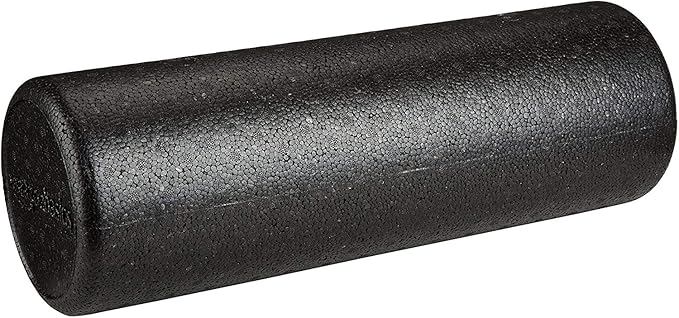
- Thoracic spine openers: Lying on a foam roller lengthwise or doing cat-cow stretches helps ensure your mid-back has enough extension, so your shoulders don’t have to overwork just to reach overhead.
For specific mobility drills, you might try the “open book” or the “sleeper stretch” for internal rotation, but keep them gentle—never force a stretch.
Step 2: Choosing Strength Exercises That Support Mobility
Not all lifts are created equal when it comes to shoulder health. For a beginner, it’s wise to prioritize exercises that allow your shoulders to move naturally without being forced into end-range positions under heavy load. That doesn’t mean you can’t do overhead presses—it means you build up to them gradually, with good form and a full warm-up.
- Incline dumbbell press: Safer for shoulders than a flat bench press because the angle reduces stress on the front of the joint. The dumbbells also let each arm move independently, which helps correct imbalances.
- Rows (cable, dumbbell, or barbell): Strong pulling muscles in the upper back are essential for shoulder stability. Your rear delts and rhomboids act as the brakes for your front shoulder muscles. Horizontal rows are a fantastic place to start.
- Face pulls: If you do only one extra exercise for shoulder health, make it face pulls. Use a cable or band, pull toward your face with elbows high, and feel your upper back light up. This single move can dramatically improve posture and shoulder centering.
- Landmine press: Instead of a traditional barbell overhead press, try a landmine press. The angled movement path is much more shoulder-friendly, especially for beginners who haven’t yet built overhead stability.
Step 3: Recovery and Mobility Practice
Strength training causes micro-damage to muscle fibers, but the muscles around your shoulder can also tighten up as a protective response. That’s where recovery work comes in—and it does not have to mean hours of stretching. Consistency matters more than duration.
- Gentle static stretching after your workout: After you lift, when your muscles are warm, hold stretches like the doorway stretch for your chest and the cross-body stretch for your rear delt. Two to three sets of 20–30 seconds per side is plenty.
- Self-myofascial release: A lacrosse ball or massage ball against the wall can be a game-changer for the upper back and rear delt area—just roll slowly and breathe into any tight spots. Avoid rolling directly over the joint or bony parts of the shoulder.
- Active rest days: On days you don’t lift, consider a short mobility flow: cat-cow, child’s pose, shoulder rolls, and a few minutes of hanging from a pull-up bar (if comfortable) to decompress the shoulder joint.
Listen to your shoulders. A light “stretch” sensation is fine; a sharp pinch or localized pain is not. Never force a range of motion.
Common Questions From Beginners
How Often Should I Do Shoulder Mobility Work?
Ideally, you’ll do some form of shoulder mobility work every day, but it doesn’t have to be a major time investment. Your warm-up before strength sessions covers most of the dynamic work, and a five-minute cooldown or evening stretch can keep things feeling smooth. If your shoulders feel especially tight, you can add a gentle mobility session on your rest days.
Can I Still Do Overhead Press If I Have Shoulder Issues?
Yes, but you need to earn the movement. Start with lighter loads, use a landmine press or dumbbells instead of a barbell, and focus on form: keep your elbows slightly in front of the bar, not flared out wide, and don’t lock out aggressively at the top. If any angle causes pain, stop and regress to a partial range or a different movement.
What If One Shoulder Is Tighter Than the Other?
This is very common, especially if you’re right-handed or sleep on one side. Address it by warming up each shoulder individually, using single-arm exercises like dumbbell rows and landmine presses, and spending a little more time on the tighter side during mobility work. Avoid comparing your left and right directly—focus on feeling each side move freely in its own range.
Should I Stretch Before or After Lifting?
Always do dynamic stretching (movement-based) before lifting and static stretching (holding a position) after lifting or separately. Static stretching before strength work can temporarily reduce power and stability. Save the couch stretch and doorway stretch for the end of your workout or an evening wind-down.
Recovery Is Not a Luxury—It’s Part of the Plan
Too many beginners treat recovery as something they do only when they’re already hurt. But the people who stay healthy and keep lifting for decades don’t wait for pain to prompt mobility work. They build it into the weekly schedule. That might mean replacing one heavy pressing day per month with a higher-rep, lower-load session that emphasizes control and range. It might mean making sure you get enough sleep (your body repairs soft tissue during deep sleep) and eat enough protein (collagen and amino acids support tendons and muscles).
The bottom line: you do not have to sacrifice shoulder health to build strength, and you do not have to give up strength to have healthy shoulders. The middle path—training smart, warming up well, and giving your shoulders the mobility and recovery they need—will keep you lifting, pressing, pulling, and living without unnecessary pain. Respect the joint, and it will carry your progress far.