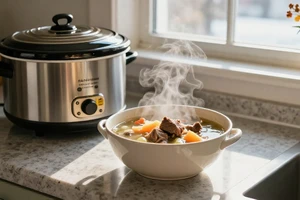

Busy weeknights and the desire for a home-cooked meal often feel like opposing forces. You want something warm, nourishing, and vegetarian, but the thought of chopping, sautéing, and monitoring a stove after a long day is exhausting. That is where a smart slow cooker strategy comes in — one that dietitians frequently recommend because it removes the evening scramble without sacrificing flavor or nutrition.
The trick is a simple 5-minute morning prep. It shifts the active work to a time of day when you have more energy, and it sets you up for a deeply flavored, hands-off dinner. Instead of the typical dump-and-go method that can lead to mushy vegetables, this approach layers ingredients thoughtfully, ensuring each component retains its texture and taste.
What Is the 5-Minute Morning Prep?
This method involves taking five minutes in the morning — or the night before — to complete a few key steps. You do not need to precook everything. Instead, you focus on three core actions: layering aromatics, adding the right liquid, and protecting delicate ingredients for later.
Think of it as assembly, not cooking. The slow cooker does the work; you just set the stage.
The most common mistake people make is tossing everything into the pot at once. Hearty vegetables like potatoes, carrots, and celery go in first. They need the longest cooking time. Softer vegetables like zucchini, bell peppers, or greens get added later — either during the last 30 minutes of cooking or right before serving.
Layering for Maximum Flavor (Without Extra Effort)
Aromatics are the backbone of any savory dish. Onions, garlic, ginger, and spices release their best flavors when they hit a hot surface. Since a slow cooker does not provide high heat, you can mimic that depth by using a simple trick: briefly bloom your spices and aromatics in a dry skillet while you prep the rest. Or, simply place them directly under the other ingredients so they sit closest to the heat source at the bottom of the pot.
Here is a quick layering guide that takes under five minutes:
- Bottom layer: Diced onion, minced garlic, chopped carrots, and celery. Add dried herbs and spices here — bay leaves, cumin, smoked paprika, or thyme.
- Middle layer: Hearty vegetables (potatoes, sweet potatoes, butternut squash) and rinsed canned beans (chickpeas, lentils, or black beans).
- Top layer: Delicate items (zucchini, peas, greens, cooked grains) — these go in later, not now.
This layering ensures that dense vegetables soften completely while flavors meld from the bottom up.
The Liquid Rule Dietitians Swear By
Many slow cooker recipes drown ingredients in broth or water. The result is a watery, bland dish. The expert trick is to use less liquid than you think you need. Vegetables release moisture as they cook, especially mushrooms, tomatoes, and zucchini. Start with just enough liquid to barely cover the bottom layer — about half a cup to one cup of vegetable broth, crushed tomatoes, or coconut milk. You can always add more later if needed.
For a creamier texture without dairy, dietitians often recommend stirring in a splash of full-fat coconut milk or a spoonful of cashew cream during the last 10 minutes of cooking. This avoids curdling and adds richness.
Why This Works for Vegetarian Meals
Vegetarian slow cooker dishes often suffer from two problems: mushy textures and bland flavors. The morning prep method solves both. By adding quick-cooking ingredients later, you keep the crunch of peppers or the brightness of spinach. By concentrating spices and aromatics at the bottom, you build a flavor base that feels like you spent hours at the stove.
This technique works well for chili, lentil soup, vegetable curry, and even stuffed peppers. For grains like farro or brown rice, cook them separately and add them at the end to avoid a pasty texture.
A Sample 5-Minute Prep for a Vegetarian Chili
- In the morning, dice one onion, two garlic cloves, and one bell pepper. Place them in the slow cooker insert.
- Add one can of diced tomatoes, one can of drained black beans, one tablespoon of chili powder, and one teaspoon of cumin. Stir gently.
- Cover and refrigerate the insert (if you prefer) or set it in the base. Cook on low for 6-8 hours.
- Thirty minutes before serving, stir in a handful of frozen corn and a handful of chopped kale.
- Serve with avocado or a dollop of Greek yogurt.
That is it — five minutes of active prep. The reward is a deeply flavorful, nutrient-dense meal waiting for you at dinner time.
Frequently Asked Questions
Can I prep the slow cooker insert the night before?
Yes. You can assemble all ingredients except quick-cooking vegetables in the insert and store it covered in the refrigerator overnight. In the morning, simply place the insert into the base and start cooking. This makes the process even quicker.
Do I need to sauté aromatics first for this method?
No, but it adds depth. If you have an extra minute, a quick 60-second bloom of dried spices and garlic in a dry skillet elevates the final dish. If you skip it, the dish will still be flavorful — just less complex. The layering technique compensates for the lack of browning.
What are the best beans or legumes for slow cooker vegetarian meals?
Canned chickpeas, black beans, lentils, and kidney beans work well. Avoid using canned beans that are heavily salted — rinse them first. If using dried lentils, add them to the bottom layer with the aromatics, as they cook faster than dried beans. Always drain and rinse canned beans to remove excess sodium.
How do I keep vegetables from becoming too soft or mushy?
Add tender vegetables like zucchini, peas, or greens during the last 30 minutes of cooking. Cut sturdier root vegetables into uniform, 1-inch chunks so they cook evenly. Avoid overcooking by using the low setting and checking for doneness 30 minutes before the recipe suggests.